The 2010s File Feature
Dancing Crazy
Chart History and Recording Background of Dancing Crazy "Dancing Crazy" was released in March 2011 as a single by Miranda Cosgrove, the American actress and …
01 The Story
Chart History and Recording Background of Dancing Crazy
"Dancing Crazy" was released in March 2011 as a single by Miranda Cosgrove, the American actress and singer best known at the time for her starring role in the Nickelodeon television series iCarly. The single was released through Columbia Records and represented part of Cosgrove's effort to establish herself as a credible recording artist beyond her established identity as a television personality. Her earlier musical releases, including material tied to the iCarly franchise and her 2010 debut album Sparks Fly, had demonstrated her commercial viability within the teen pop market, and "Dancing Crazy" was designed to build on that foundation.
The song was produced in collaboration with a team that included established figures in the teen pop production world. Its musical construction drew on the upbeat, electropop-inflected production style that was prominent in mainstream pop radio formats during 2010 and 2011, incorporating synthesizer-driven arrangements, energetic percussion, and a bright vocal presentation suited to Cosgrove's light soprano range. The production was designed to function effectively on both radio and in the digital download marketplace, which was the primary commercial medium for music consumption among the teen demographic that constituted Cosgrove's core audience.
The single's promotional campaign was coordinated to align with Cosgrove's continued high visibility through her ongoing iCarly commitments. The Nickelodeon platform provided substantial promotional infrastructure that allowed her musical releases to reach the network's large and demographically well-defined audience directly. Music videos and promotional spots were able to reach viewers who were already engaged with Cosgrove as a performer through her television work, giving the single a meaningful head start in terms of audience awareness that purely musical artists launching into the marketplace from scratch did not possess.
"Dancing Crazy" debuted on the Billboard Hot 100 on April 2, 2011, at position 100, which was also its peak position. The single spent one week on the chart, making it a technically charted entry that nonetheless reflected the commercial challenge of converting television-derived popularity into sustained chart performance. The entry at number 100 placed the song at the threshold of the Billboard Hot 100, demonstrating that Cosgrove maintained a real, if modest, commercial presence in the mainstream music marketplace beyond the dedicated audience of her television work.
The brevity of the chart run was a characteristic shared by several contemporaneous teen pop releases from artists whose primary public profile was rooted in television rather than in the music industry per se. The infrastructure supporting Cosgrove's music career was substantial in terms of promotional reach, but converting that reach into the sustained radio play and digital purchasing activity required to sustain extended chart presence proved challenging. The Billboard Hot 100's methodology during this period weighted radio airplay heavily, and radio programmers were often cautious about programming teen pop material from television personalities in mainstream rotation slots.
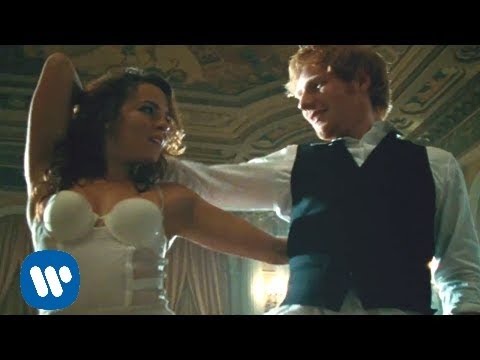
The music video for "Dancing Crazy" received considerable attention on digital video platforms, where Cosgrove's existing fan base was active and engaged. The video accumulated views at a rate that significantly outpaced the song's traditional chart performance, reflecting the emerging divergence between online engagement metrics and conventional radio-driven chart metrics that was becoming increasingly visible in the music industry during this period. YouTube view counts for the video eventually reached the hundreds of millions, a figure that positioned the recording as a substantial popular artifact even if its Billboard chart footprint was limited to a single week.
Cosgrove continued releasing music through the early 2010s while also maintaining her iCarly commitments, which ran until 2012. Her recording career represented a broader pattern within the entertainment industry during the 2000s and 2010s in which television networks with music-hungry young audiences, most notably Nickelodeon and Disney Channel, developed their on-screen talent as recording artists simultaneously, creating multimedia entertainment properties that crossed between screen and audio formats. Miranda Cosgrove's participation in this model produced a catalog of recordings that reached enormous audiences through their YouTube presence even where conventional chart performance was modest.
The single "Dancing Crazy" serves as a representative document of this moment in teen entertainment, capturing the production style, commercial strategies, and audience engagement patterns of its era with considerable specificity. Its one-week chart appearance, while brief, confirmed its commercial legitimacy within the mainstream pop marketplace.
02 Song Meaning
Themes and Meaning of Dancing Crazy
"Dancing Crazy" belongs to a specific and durable tradition within teen pop: the unabashedly celebratory song about the transformative power of music and dancing as vehicles for freedom, self-expression, and social connection. The song's lyrical content presents dancing not merely as entertainment but as a release from the ordinary constraints and self-consciousness of daily life, with the act of losing oneself in music depicted as both liberating and joyful.
The central emotional arc of the song is one of permission, specifically the permission to let go of inhibition and fully inhabit the pleasure of music and movement. This is a theme with particular resonance for the song's target demographic of pre-teen and early teenage listeners, for whom questions of social acceptability, self-consciousness, and the fear of judgment are prominent concerns. The song offers an idealized social space in which these anxieties are temporarily suspended in favor of uninhibited collective enjoyment.
The use of the word "crazy" in the title and throughout the song is significant in its register. Rather than signaling danger or disorder, it is employed in the colloquial teen sense to connote intense enthusiasm and joyful abandon. The narrator is "dancing crazy" in the sense of dancing with complete commitment and lack of self-restraint, and the song invites listeners to identify with this posture as aspirational rather than transgressive.
Miranda Cosgrove's persona as a performer contributed meaningfully to the song's reception. Her established identity through iCarly as a likable, relatable, and good-natured young woman created a context in which the song's celebratory message was fully credible and non-threatening. The song's content aligned naturally with the broader emotional world her television character inhabited, and listeners who were familiar with her screen persona could easily map the song's emotional content onto the character they already knew and liked.
The production style of the song reinforced its thematic content through formal means. The energetic, bounce-inflected beat and bright synthesizer arrangements created a physical as well as emotional invitation to movement, making the song's central theme of dancing feel viscerally appropriate rather than merely stated. Pop songs that advocate for dancing as a practice carry a certain self-fulfilling quality when their production successfully motivates the physical response they describe, and "Dancing Crazy" was effectively constructed to achieve precisely this effect.
The song's enormous YouTube view count, reaching well into the hundreds of millions of plays over the years since its release, reflects the enduring resonance of its simple but emotionally effective message within the demographic that constituted its core audience. The accessibility and positivity of the song's themes, combined with its high-energy production, made it particularly well-suited to the kind of repeated casual listening and social sharing that platforms like YouTube facilitated. Songs that celebrate uncomplicated joy have consistently demonstrated strong performance in the video-sharing era, and "Dancing Crazy" is a clear example of this dynamic.
→ More from the 2010s File
View all 2010s hits →



Keep digging