The 2010s File Feature
Dear Future Husband
Chart History and Recording Background of Dear Future Husband "Dear Future Husband" was released in 2015 as the second single from Meghan Trainor's debut stu…
01 The Story
Chart History and Recording Background of Dear Future Husband
"Dear Future Husband" was released in 2015 as the second single from Meghan Trainor's debut studio album Title, issued through Epic Records. Trainor had broken through commercially in 2014 with "All About That Bass," a global hit that introduced her retro-pop songwriting style and her ability to blend nostalgic musical aesthetics with contemporary lyrical themes. "Dear Future Husband" followed a similar creative template, drawing on doo-wop and early rock and roll influences while presenting a playful, assertive perspective on romantic partnership and domestic expectations.
The song was written by Trainor in collaboration with Kevin Kadish, her frequent creative partner who had also co-written "All About That Bass." The two developed a productive songwriting relationship characterized by an interest in vintage American pop sounds updated for modern radio. Kadish also served as the producer on "Dear Future Husband," constructing a track that blended brass arrangements, walking bass lines, and hand-clap percussion in a manner designed to evoke the girl-group pop of the early 1960s while maintaining contemporary production clarity and energy.
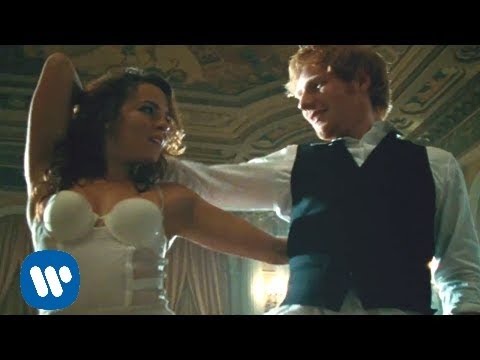
The song was first made available as part of the Title album, which was released in January 2015. Its official release as a single came in April 2015, and it was accompanied by a music video that further developed the song's retro-pop visual aesthetic. The video, directed with a playful, colorful sensibility, depicted scenes of domestic courtship rendered in a style reminiscent of early 1960s television commercials and family entertainment, reinforcing the song's thematic content with a consistent visual language.
The song's Billboard Hot 100 chart history was notable for its duration and its extended trajectory. It first debuted on the chart on September 27, 2014, at position 94, entering in conjunction with the broader promotional push surrounding the Title album cycle. It moved modestly through the lower reaches of the chart in its initial weeks before cycling off and re-entering on multiple occasions as Trainor's overall commercial profile continued to build. The song ultimately achieved its peak position of number 14 during the chart week of June 6, 2015, a full nine months after its initial chart debut, reflecting an unusually extended climb driven by sustained album sales and growing radio momentum.
The track spent 24 weeks on the Billboard Hot 100 across its cumulative chart history, a figure that reflected the benefit of Trainor's sustained commercial visibility during the broader campaign for the Title album. That album itself performed exceptionally well, debuting at number one on the Billboard 200 upon its release and generating multiple chart entries simultaneously. The success of "All About That Bass" had created a substantial audience for Trainor's subsequent material, and "Dear Future Husband" benefited from the goodwill and recognition that her debut single had established.
Critically, "Dear Future Husband" received a notably mixed reception. While it performed strongly in commercial terms, a segment of critics and commentators raised objections to what they interpreted as the song's framing of gender dynamics within romantic relationships, arguing that the lyrical content reinforced certain domestic stereotypes even as it also asserted the narrator's right to independence and reciprocal treatment. This public debate contributed to the song's broader cultural visibility and sustained media coverage throughout its promotional cycle.
Trainor addressed the reception in numerous interviews during 2015, framing the song as an expression of personal preferences and romantic expectations rather than as a prescriptive statement about gender roles. The discussion around the song reflected a broader cultural conversation about the representation of domestic and romantic dynamics in mainstream pop music that was particularly active during the mid-2010s.
Internationally, "Dear Future Husband" performed solidly in several markets where Trainor had developed a following in the wake of "All About That Bass," including the United Kingdom, Australia, and Canada. The song's retro aesthetic translated effectively across different national markets, and its production quality was consistently praised even by critics who were skeptical of its lyrical content. The track contributed meaningfully to establishing Meghan Trainor as a sustainable commercial presence in the pop landscape rather than a one-hit phenomenon.
02 Song Meaning
Themes and Meaning of Dear Future Husband
"Dear Future Husband" addresses the subject of romantic expectations directly and playfully, structured as a first-person address from the narrator to an imagined future romantic partner. The song presents a list of conditions and preferences that the narrator expects her eventual husband to meet, framing the relationship as a partnership based on mutual respect, affection, and reciprocal effort rather than one-sided obligation. This structural approach, presenting romantic expectations as a set of terms to be negotiated, gave the song a distinctive voice within the landscape of mainstream pop love songs.
The song's most prominent theme is the assertion that the narrator has both desires and standards that she expects a partner to honor. She presents herself as someone who will contribute positively to the relationship, but only within a framework of fairness and mutual consideration. The humor in the song comes partly from its unapologetic directness and partly from the slightly exaggerated specificity of the narrator's requirements, which are presented with a winking self-awareness that signals the song's fundamentally playful rather than combative intent.
The retro-pop musical setting contributes significantly to the song's meaning. By situating these assertive romantic expectations within a musical idiom drawn from the early 1960s, Trainor and Kadish created a productive contrast between form and content. The girl-group era of pop that the production evokes was characterized by songs that often depicted women as passive recipients of romantic attention, waiting to be chosen or pining for unavailable partners. "Dear Future Husband" occupies this familiar sonic space while inverting many of the relational power dynamics that defined the era it references, using nostalgia as a vehicle for a more contemporary perspective on romantic agency.
Public debate around the song's lyrical content was substantial during its promotional cycle. Critics who found the song problematic argued that certain passages reinforced domestic stereotypes about female roles within marriage, while defenders of the song pointed to passages in which the narrator explicitly demands equitable treatment and acknowledgment of her individuality. The tension between these readings was itself a reflection of broader cultural negotiations around gender, partnership, and domestic life that characterized public discourse in the mid-2010s.
The song's cultural reception among younger audiences was largely enthusiastic, with many listeners responding positively to the track's combination of catchy retro production and a central persona who presents herself as self-aware and selective rather than desperate or passive in her romantic expectations. The music video's visual humor and cheerful domestic imagery reinforced the song's playful register and helped to contextualize its lyrical content within a clearly comedic framework.
Meghan Trainor's consistent creative interest in relationships, self-worth, and personal identity placed "Dear Future Husband" within a larger body of work that positioned her as a songwriter engaged with questions of how women define and articulate their needs within romantic and social contexts. While the song drew controversy, it also demonstrated a capacity to generate genuine cultural conversation, which was itself a mark of its engagement with real and contested questions about contemporary domestic life and romantic partnership.
→ More from the 2010s File
View all 2010s hits →



Keep digging