The 2010s File Feature
Wiggle
The Recording and Chart Success of "Wiggle" by Jason Derulo Featuring Snoop Dogg "Wiggle," released in 2014 as a single by Jason Derulo featuring Snoop Dogg,…
01 The Story
The Recording and Chart Success of "Wiggle" by Jason Derulo Featuring Snoop Dogg
"Wiggle," released in 2014 as a single by Jason Derulo featuring Snoop Dogg, became one of the most commercially successful recordings of that summer, reaching number five on the Billboard Hot 100 and establishing itself as one of the defining pop-R&B hits of the year. The track emerged from Jason Derulo's fourth studio album, "Everything Is 4," and reflected the direction his career had been taking since his return to prominence following a hiatus caused by a serious injury sustained in early 2012.
Jason Joel Desrouleaux, who records under the simplified stage name Jason Derulo, had established himself as a significant presence in R&B and pop with his 2009 debut single and subsequent recordings, before a career interruption caused by a fractured vertebra sustained during a rehearsal. His return to active recording in 2013 and 2014 coincided with a period of sustained commercial success, and "Wiggle" represented the commercial high point of that resurgence period. The track was written by Derulo alongside a team of collaborators, with production crafted to maximize its appeal across both radio and streaming platforms.
Snoop Dogg's guest appearance on the track brought a distinctive hip-hop credibility that complemented Derulo's pop-R&B approach. Snoop Dogg, one of the most recognized figures in the history of hip-hop, had by 2014 spent two decades as a commercially and culturally prominent artist, and his ability to collaborate effectively across genre boundaries had been demonstrated on numerous successful crossover recordings. His verse on "Wiggle" provided the track with an additional dimension that extended its appeal beyond Derulo's established fanbase.
The production of "Wiggle" was built around a rhythm-forward construction that prioritized physical response and danceability above harmonic complexity. The sonic approach drew on contemporary R&B production aesthetics while incorporating elements that gave the track a bright, radio-friendly quality. The bass-heavy instrumentation and driving rhythm were designed to function effectively in club environments as well as on broadcast radio, and this dual applicability contributed to the track's commercial versatility.
The song debuted on the Billboard Hot 100 at number 68 on May 17, 2014, and began an exceptionally rapid ascent. Within two weeks it had climbed to number 24, and within three weeks it was at number 20. The following week it entered the top ten at number 10, before reaching its peak position of number 5 on the chart dated June 21, 2014. This pace of ascent reflected both the strength of initial consumer response and the effectiveness of the promotional campaign that accompanied the single's release.
Radio airplay was a significant driver of the song's performance. The track received heavy rotation on pop and rhythmic contemporary radio stations throughout the spring and early summer of 2014, contributing substantially to the streaming and sales metrics that determined its chart position. The song also benefited from strong performance on digital sales platforms, with download figures that reflected genuine consumer enthusiasm rather than solely promotional support.
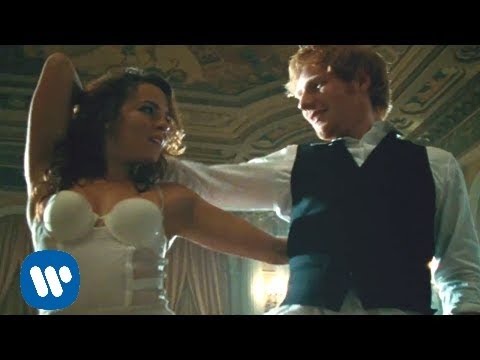
The music video for "Wiggle," which featured elaborate choreography centered on the song's explicit thematic content, received extensive play on music video platforms and generated significant social media engagement. The visual presentation of the track contributed to its cultural visibility beyond radio formats, introducing it to audiences who might not have encountered it through broadcast channels alone. The video accumulated substantial view counts on YouTube, extending the song's promotional footprint into the digital ecosystem that had become increasingly central to the commercial success of popular music in the streaming era.
International performance followed the American success, with the track charting in Australia, the United Kingdom, and several other markets, confirming the cross-cultural appeal of the production approach and the commercial drawing power of both featured artists. Certified platinum by the Recording Industry Association of America, the song joined a growing catalogue of successful singles from Derulo's post-injury comeback period, which also included strong performances from other tracks on the "Everything Is 4" album.
Within the context of summer 2014 chart history, "Wiggle" competed for airtime and audience attention during one of the more competitive periods in recent memory, contending with a strong field of similarly oriented pop and R&B singles. Its performance, sustaining a top-five position across multiple chart weeks, demonstrated the durability of its commercial appeal and confirmed that both Jason Derulo's instincts as a recording artist and Snoop Dogg's enduring relevance as a featured collaborator had found effective expression in the track's energetic, unambiguous construction.
02 Song Meaning
Playfulness and Physical Celebration in "Wiggle"
"Wiggle" by Jason Derulo featuring Snoop Dogg belongs firmly to the tradition of pop and R&B recordings built around physical celebration, dance, and an atmosphere of unambiguous playfulness. The song's thematic content is straightforward: it is a celebration of physical attractiveness and movement, centered on appreciation of a dance partner's physical presence and the joy of shared physical energy. The track makes no pretense of lyrical depth or narrative complexity, presenting itself instead as a piece of music designed primarily to generate enjoyment and movement.
This kind of single-minded focus on the physical and the celebratory has a long history in popular music, and "Wiggle" participates in that tradition with enthusiasm. The song's approach to its subject matter is playful and comedic rather than overtly sexual in a confrontational sense, and the tone throughout is more festive than provocative. The humor embedded in the track's construction, including its self-aware embrace of its own silliness, contributed to its appeal by creating an atmosphere in which the listener is invited to enjoy the track's energy without taking its content entirely seriously.
Snoop Dogg's verse adds a layer of hip-hop wit and wordplay that functions as a complement to Derulo's more earnest vocal style on the chorus and verses. Snoop Dogg's history as a performer includes numerous tracks that combine sexual bravado with humor and self-awareness, and his contribution to "Wiggle" draws on those established tendencies. The contrast between his relaxed, knowing delivery and Derulo's more energized vocal approach creates a dynamic that gives the track variety without disrupting its overall celebratory tone.
The song's cultural reception was shaped partly by its willingness to be uncomplicated. In a period when much critical discussion of popular music emphasized complexity, social commentary, and artistic ambition, "Wiggle" offered a deliberate contrast: a track that wanted nothing more than to make its audience move and smile. That clarity of purpose proved commercially effective and culturally resonant with audiences who appreciated the track's honest statement of intent.
Critics who engaged with the song on its own terms generally acknowledged its effectiveness within the parameters it set for itself. The track was not praised for lyrical sophistication or thematic depth, but it was recognized as a skillfully constructed piece of popular entertainment that achieved its stated goals with precision. The production's ability to create an atmosphere of irresistible physical momentum was noted as a genuine creative achievement, reflecting the expertise of the team that assembled the track's sonic elements.
From a broader cultural perspective, "Wiggle" fits into a pattern of summer hit construction that has been central to commercial music for decades. The song arrived at a time of year when audiences actively sought out music that matched the energy of warm weather, outdoor events, and social gatherings, and it served that function effectively. Its lyrics, focused entirely on celebration and physical delight, contained nothing that would exclude it from mainstream broadcast contexts while remaining unambiguous enough about its subject matter to generate the sense of playful transgression that such tracks often rely on for their appeal.
The song also reflects the aesthetic values that Jason Derulo had been developing across his career: a preference for direct emotional impact over subtlety, a commitment to production values that prioritize physical response, and a performance style that communicates confidence and enjoyment. These qualities, consistent across his successful recordings, gave "Wiggle" a coherence within his artistic output that made it feel like a natural expression of his established creative identity rather than a departure from it.
In retrospect, "Wiggle" stands as a representative example of a particular kind of summer pop: deliberately uncomplicated, physically oriented, and designed to be experienced communally rather than contemplated in isolation. Its lasting presence in playlists and cultural memory reflects the genuine pleasure it delivered to a large audience, and that pleasure is ultimately the measure of its meaning as a piece of popular music.
→ More from the 2010s File
View all 2010s hits →



Keep digging