The 2010s File Feature
Turn Up The Music
Turn Up The Music: Recording and Chart History "Turn Up The Music" is a dance-pop and R&B track by Chris Brown, released in February 2012 as the lead single …
01 The Story
Turn Up The Music: Recording and Chart History
"Turn Up The Music" is a dance-pop and R&B track by Chris Brown, released in February 2012 as the lead single from his fifth studio album, Fortune. The song was produced by Afrojack, the Dutch DJ and producer born Nick van de Wall, in collaboration with the songwriting team that included Brown himself. The production came out of a period when Brown was actively aligning his commercial output with the booming electronic dance music movement that had taken hold of mainstream radio in the early 2010s, bridging his established R&B audience with the club-oriented sounds dominating pop charts worldwide.
The recording process for Fortune took place across multiple studios in Los Angeles, with Brown working closely with a roster of producers that reflected the crossover aesthetic he was pursuing. Afrojack's involvement gave the track a distinctly European EDM-influenced architecture, built around layered synthesizers, pumping four-on-the-floor kick patterns, and the kind of high-energy drops that had become hallmarks of festival and nightclub programming. Brown's vocal performance sits confidently atop this production framework, blending his signature melodic R&B delivery with rap-inflected passages, demonstrating the versatility that had defined his commercial appeal since his 2005 debut.
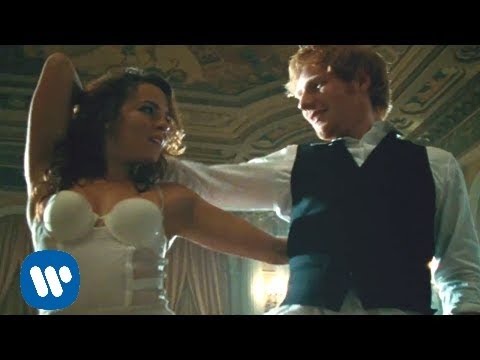
The single was formally serviced to radio and digital retailers on February 14, 2012, timed deliberately around Valentine's Day to maximize promotional reach. The marketing campaign for the release emphasized its club and dance credentials, with early airplay concentrated on rhythmic and urban contemporary radio formats before crossing over to mainstream pop stations. The accompanying music video reinforced the high-production visual aesthetic Brown had maintained throughout his career, featuring elaborate choreography and the neon-saturated visual palette associated with early 2010s pop.
On the Billboard Hot 100, "Turn Up The Music" made its debut at number 10 on the chart dated March 3, 2012, a remarkable opening position that reflected strong first-week sales and streaming activity. The song spent 20 weeks on the Hot 100 in total, remaining a consistent presence on the chart through the spring of 2012. In addition to its Hot 100 performance, the track performed strongly on the Billboard Hot Dance/Electronic Songs chart, where its EDM production credentials made it a natural fit. It also reached the top tier of the Rhythmic Songs chart, confirming Brown's cross-format appeal at the time of the album cycle.
Internationally, the song found considerable success in markets where EDM-infused pop was particularly dominant in early 2012. It charted in the United Kingdom, Australia, and several European territories, where Afrojack's production pedigree provided an additional commercial bridge. In the UK, the single benefited from promotion tied to Brown's touring activity in the region during the Fortune campaign period.
The Fortune album that followed the single's release debuted at number one on the Billboard 200 in July 2012, making it one of the most commercially successful periods in Brown's career during that decade. "Turn Up The Music" functioned as an effective table-setter for the album, establishing the dance-pop direction that ran through much of the record. The album featured additional collaborations with producers and artists from across the pop and R&B landscape, but the lead single remained among its most recognizable and radio-friendly entries.
In retrospect, "Turn Up The Music" is frequently cited as a representative artifact of the EDM crossover moment in American pop music, a period roughly spanning 2011 through 2014 when dance music production aesthetics moved comprehensively from underground venues into mainstream commercial formats. The track's combination of Brown's established R&B vocal identity with Afrojack's production sensibility placed it at the intersection of two dominant forces in early 2010s popular music, resulting in a record that resonated broadly across demographic lines and radio formats simultaneously.
The song has accumulated substantial streaming figures in the years since its release, reflecting ongoing listener interest and its frequent inclusion in retrospective playlists documenting the pop-EDM crossover era. Its YouTube presence grew significantly over the following decade, eventually surpassing 1.7 billion views, placing it among the most-watched videos of that particular period of Brown's career and confirming the track's lasting place in popular music streaming culture.
02 Song Meaning
Turn Up The Music: Themes and Cultural Meaning
"Turn Up The Music" operates within a well-established pop tradition of the euphoric invitation to collective celebration. The song's central subject is the experience of release found in dancing, in loud music, and in the shared atmosphere of a nightclub or party environment. Its thematic territory is uncomplicated but purposefully so: the track sets out to document and amplify a specific emotional state, that of total immersion in a celebratory social setting where anxieties dissolve and physical response to sound takes precedence over reflection.
The lyrical framework of the song positions the music itself as an agent of liberation. Volume is treated not merely as a technical quality but as an emotional intensifier, the sonic equivalent of turning emotional inhibition down while turning communal energy up. This is a convention with deep roots in popular music across multiple decades, but in the context of 2012's electronic dance music moment, it carried particular cultural weight. The phrase "turn up" had become embedded in the vernacular of a generation of music listeners and had strong associations with specific cultural communities, particularly in Black American musical culture, where it served as both an instruction and a celebration.
Brown's vocal performance carries the song's thematic intent through a combination of melodic exuberance and rhythmic authority. His delivery moves between sung melody and rap-adjacent cadences, reflecting the dual creative identity he had developed across his career. The performance communicates genuine enthusiasm for the song's subject matter, which contributes to the track's effectiveness as a piece of functional dance music: the invitation in the lyrics is underscored by the invitation implicit in the production's architecture, both asking the listener to surrender to physical and emotional movement.
On a broader cultural level, "Turn Up The Music" arrived at a moment when electronic dance music had become the default sonic setting for pop celebration. The early 2010s saw a comprehensive shift in mainstream American pop production, as synthesizers, builds, and drops that had previously been confined to club environments entered the vocabulary of chart radio. Songs like this one were at the forefront of that transition, functioning simultaneously as club records and as mainstream pop singles. The result was music that spoke to multiple audiences at once, the R&B listener familiar with Brown's catalog, the pop radio audience, and the dance music community that recognized Afrojack's production signature.
The theme of collective joy and the suspension of everyday concerns is reinforced by the song's production choices as much as its lyrics. The escalating energy of the arrangement, which builds steadily toward its most intense moments, mirrors the emotional arc of a night out: anticipation building to full release. This structural approach gives the track a narrative dimension that purely lyrical analysis might understate: the song performs its own subject matter, enacting in sound the very experience it describes in words.
Cultural reception of the song at the time of release was largely positive, with critics and audiences recognizing it as a well-executed example of its genre. Its commercial success was understood as confirmation both of Brown's continued relevance in the evolving pop landscape and of Afrojack's ability to translate European dance music aesthetics into formats that resonated with American radio audiences. In the years since, the track has retained cultural visibility through streaming platforms, where it continues to attract listeners seeking the particular kind of celebratory energy it offers.
→ More from the 2010s File
View all 2010s hits →



Keep digging