The 2000s File Feature
Coffee Shop
Coffee Shop: Yung Joc, Gorilla Zoe, and Atlanta Trap's Expanding Vocabulary "Coffee Shop" arrived in 2007 as a product of the Atlanta hip-hop ecosystem that …
01 The Story
Coffee Shop: Yung Joc, Gorilla Zoe, and Atlanta Trap's Expanding Vocabulary
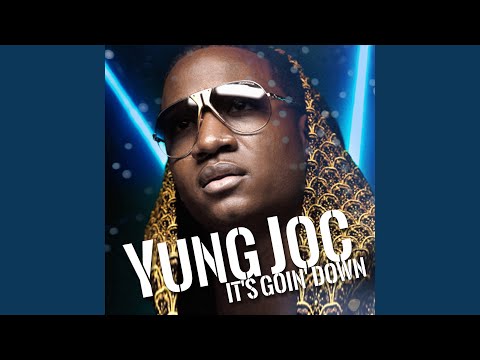
"Coffee Shop" arrived in 2007 as a product of the Atlanta hip-hop ecosystem that had spent the previous several years transforming itself from a regional phenomenon into the dominant force in American popular music. Yung Joc, born Jasiel Robinson in Atlanta, had already established his commercial credentials with his 2006 debut hit "It's Goin' Down," which had been one of the defining rap singles of that year and had demonstrated that Atlanta's particular flavor of street rap could produce records with genuine national crossover appeal. "Coffee Shop," featuring Gorilla Zoe, appeared as a subsequent single from his debut album period and reflected both the strengths and the specific cultural moment of Atlanta hip-hop in the mid-2000s.
Gorilla Zoe, born Alonzo Matthews in Atlanta, was himself emerging as a significant figure in the Atlanta rap scene during this period. His distinctive vocal delivery, which combined raw energy with a melodic facility that distinguished him from many of his peers, made him a valuable collaborator for producers and fellow artists working in the Atlanta market. His involvement with "Coffee Shop" was representative of the collaborative economy that characterized Atlanta hip-hop during this era, in which artists freely featured on each other's recordings in ways that built the scene's collective profile while advancing individual careers.
"Coffee Shop" was released in 2007 on Block Entertainment, distributed through Bad Boy South and Atlantic Records. The Block Entertainment label, founded by Atlanta entrepreneur Big Block, had become one of the important independent imprints in the Atlanta rap ecosystem, and its distribution partnership with Atlantic gave its releases genuine national reach. The Bad Boy South branding connected the release to Sean Combs's broader entertainment empire while emphasizing its regional Southern identity.
The production of "Coffee Shop" reflected the Atlanta sound of the mid-2000s, characterized by drum machine patterns that emphasized the snap and kick combination associated with the crunk-adjacent styles being produced in the city's studios during this era. The beat created a physical urgency that suited the performance style both artists brought to the recording, with the rhythm section functioning as a propulsive foundation for the verbal energy of the verses and hooks.
The single reached number forty-three on the Billboard Hot 100 and performed strongly on urban radio formats, where Atlanta-originated hip-hop had built consistent audiences through years of consistent commercial output from artists including T.I., Ludacris, Outkast, and Lil Jon. The regional resonance of the Atlanta sound had, by 2007, become a national resonance, and records that would previously have been categorized as regional specialties were now competing effectively at the national level.
The song's lyrical content employed the kind of coded language that had become a convention in certain strands of hip-hop, using the surface vocabulary of a coffee shop and coffee-related activities to gesture toward other kinds of transactions and social activities. This coding tradition has a long history in African-American vernacular music, serving various purposes including the circumvention of content restrictions and the maintenance of in-group cultural knowledge. Listeners familiar with Atlanta's street culture could decode the references with ease; listeners approaching the song from outside that cultural context might engage with it primarily on the level of its rhythmic and melodic pleasures.
The 2007 Atlanta hip-hop scene from which "Coffee Shop" emerged was a scene at the peak of its national influence. The years immediately preceding had seen Atlanta-originated styles reshape the commercial landscape of American hip-hop in ways that were still being absorbed. Crunk had produced a run of massive commercial successes, and the snap music movement had generated its own wave of hits. Yung Joc and Gorilla Zoe were working within this environment of artistic confidence and commercial momentum, and "Coffee Shop" reflected that environment's energy.
The collaboration between Yung Joc and Gorilla Zoe was representative of a broader tendency in Atlanta hip-hop toward collective identity and scene solidarity that distinguished the city's approach from the more individualistic models that had characterized some other hip-hop scenes. Artists in Atlanta during this period understood that the scene's collective success created opportunities for individual artists that isolation could not, and the frequency of collaborative recordings reflected that understanding. "Coffee Shop" stands as a modest but characteristic document of this collaborative moment, a snapshot of Atlanta hip-hop in a period of genuine national dominance.
02 Song Meaning
Code and Culture: Reading "Coffee Shop" in Atlanta's Hip-Hop Context
"Coffee Shop" belongs to a long and sophisticated tradition in African-American vernacular music in which surface meaning and underlying meaning exist in deliberate tension. The song uses the language and setting of an everyday commercial establishment to communicate something quite different to listeners who possess the cultural context to decode the references. This kind of double-coding has served multiple functions throughout the history of Black music in America, from the spirituals that encoded messages about escape routes to the blues tradition's elaborate system of metaphorical displacement to the explicit coded language that became a convention in certain styles of hip-hop.
In the specific context of Atlanta hip-hop in 2007, the use of coded language about commercial transactions reflected an ongoing negotiation between the desire to communicate authentically about street-level realities and the practical requirements of getting radio play and avoiding content-based commercial restrictions. The craft involved in this negotiation was not trivial. Writing that works simultaneously on two registers, as entertainment accessible to casual listeners and as specific communication to those with the relevant cultural knowledge, requires a kind of verbal dexterity that is easy to underestimate when approaching the material from outside its intended audience.
The coffee shop as a setting also carries cultural resonances that extend beyond its function as a convenient metaphor. The coffee shop of 2007 American culture was an aspirational space, associated with the middle-class social rituals centered on Starbucks and its competitors, with laptop-toting professionals and creative-class self-presentation. Placing street-level Atlanta hip-hop vocabulary in this setting created a productive cultural friction, a juxtaposition that was funny to those who got it and plausibly innocent to those who did not. The incongruity was itself a source of pleasure for the audience that could appreciate it.
Yung Joc's approach to the lyric emphasized the transactional clarity that was characteristic of his commercial hip-hop persona. His public identity was built in part on a certain directness about the business of making money and achieving success, and the song's focus on a specific kind of commercial exchange fit that identity comfortably. The braggadocio about one's entrepreneurial effectiveness that runs through much hip-hop of this era takes on a specific flavor when the commodity being traded is coded, because the speaker is simultaneously boasting about the trade itself and about the sophistication required to communicate about it in disguised form.
Gorilla Zoe's contribution to the track added a layer of melodic expressiveness that softened the harder edges of the lyrical content without eliminating them. His vocal delivery operated somewhere between singing and rapping, a mode of performance that was characteristic of Atlanta's contribution to hip-hop in this period and that would become increasingly influential in subsequent years as melodic rap moved toward the center of the genre's commercial mainstream. The emotional warmth that melodic delivery introduces sat in interesting contrast to the coded transactionalism of the lyrical content.
The song's audience, concentrated primarily among listeners who were either directly familiar with Atlanta's street culture or who were consuming Atlanta hip-hop as a form of vicarious immersion in that world, brought specific interpretive frameworks to the recording that shaped its meaning in ways that casual observers might not fully appreciate. For this audience, the pleasure of "Coffee Shop" was partly the pleasure of recognition, of hearing one's own cultural knowledge reflected back through the medium of a radio-friendly hip-hop track. This is one of the ways that popular music functions as a form of community-building, affirming shared knowledge and shared identity through the act of collective listening.
In the longer view of Atlanta hip-hop's cultural history, "Coffee Shop" is a minor document but a genuine one, reflecting the scene's collective voice at a moment of significant national influence and demonstrating the verbal craft that even commercially oriented hip-hop deployed in service of communicating across the divide between insider and outsider knowledge. The song asks to be heard on multiple levels simultaneously, and that demand on the listener's attention is itself a form of respect for the audience's intelligence and cultural sophistication.
→ More from Yung Joc Featuring Gorilla Zoe
View all Yung Joc Featuring Gorilla Zoe hits →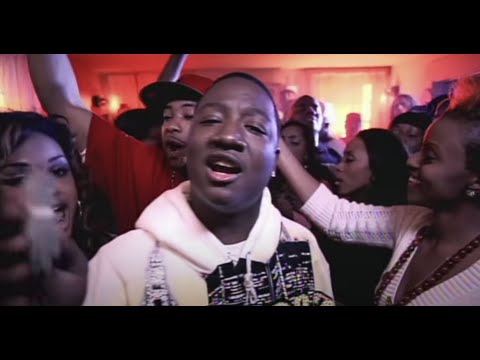
→ More from the 2000s File
View all 2000s hits →

Keep digging