The 2000s File Feature
Whatchulookinat
Whatchulookinat by Whitney Houston By 2002, Whitney Houston was one of the most celebrated voices in the history of popular music, but she was also navigatin…
01 The Story
"Whatchulookinat" by Whitney Houston
By 2002, Whitney Houston was one of the most celebrated voices in the history of popular music, but she was also navigating one of the more turbulent chapters of her public life. With "Whatchulookinat," she pushed back against the relentless scrutiny that surrounded her, releasing a defiant, edgy single that addressed her critics head-on. It was an unusually pointed statement from an artist who had spent years as pop's polished, untouchable queen.
A Legend Under the Spotlight
By the early 2000s, Whitney Houston's extraordinary career was unfolding against a backdrop of intense media attention. This single served as the lead from her album Just Whitney, a project that found her in a more personal and combative mode than the soaring ballads that had made her famous. The song was a direct response to the tabloid scrutiny she faced at the time, a rare instance of Houston addressing her public image so openly in her music. It marked a deliberate departure from her established sound.
An Edgier Direction
Musically, "Whatchulookinat" is a contemporary R&B and hip-hop-influenced track that traded the lush pop of her classic era for a harder, more streetwise sound. The production reflected the urban radio trends of the early 2000s, giving Houston a grittier backdrop than fans were used to. Her voice, still a remarkable instrument, took on a defiant, confrontational tone to match the song's message. The track showcased a tougher, more assertive Whitney, an artist determined to speak her mind and answer her critics on her own terms.
Its Chart Run
The single had a brief run on the Billboard Hot 100. It debuted and peaked at number 96 on August 24, 2002, and held that position before departing, spending 3 weeks on the chart. The modest showing reflected the song's departure from the surefire pop formula that had driven Houston's earlier blockbusters. It was a riskier, more personal release, and the chart numbers told only part of a more complicated story.
A Departure From the Formula
For most of her career, Whitney Houston had been the embodiment of polished, aspirational pop, the voice behind some of the most beloved ballads and uptempo anthems of her generation. This single represented a deliberate break from that image, a move toward something rawer and more personal. Rather than reach for the soaring, universally appealing material that had defined her, she chose a song that addressed her own circumstances directly. That willingness to risk her carefully maintained image made the release notable, even if it puzzled some longtime fans. It signaled an artist no longer content to play the role the industry had built for her, and determined instead to speak in her own voice about her own life.
The Pressures of Icon Status
The song cannot be separated from the broader context of Houston's life at the time, a period marked by intense public scrutiny and personal challenges. Few performers had ever been elevated as high as she had been, and that elevation came with a brutal flip side, the constant glare of attention that followed her every move. This single was her attempt to address that reality on her own terms, to use her music as a means of speaking back to a world that seemed determined to define her. It revealed the human cost of her extraordinary fame, the toll exacted by life lived under permanent observation.
A Defiant Chapter
In the vast and storied career of Whitney Houston, this song stands as an unusual and revealing entry. It captured an artist asserting control over her own narrative during a difficult period, refusing to let the scrutiny define her. While it never matched the towering success of her signature hits, the song remains an interesting document of a legend pushing back, a glimpse of the woman behind the voice during a complicated moment in her life.
Press play and hear one of music's greatest voices in a rare moment of open defiance.
"Whatchulookinat" — Whitney Houston's singular moment on the 2000s charts.
02 Song Meaning
The Meaning of "Whatchulookinat" by Whitney Houston
"Whatchulookinat" is a song of defiance, a pointed response to public scrutiny and judgment. It finds Whitney Houston confronting the media and the gossip that surrounded her, asserting her right to live her life free from constant prying eyes.
Pushing Back Against Judgment
The central theme is resistance to the relentless scrutiny of fame. The song challenges those who watch, judge, and speculate, demanding to know what they are really looking at. It is an assertion of self in the face of public criticism, a refusal to be defined by the tabloids and the gossip. That confrontational stance gives the song its edge.
Reclaiming Control
Beneath the defiance lies a desire to reclaim ownership of her own story. The song is the sound of an artist tired of being talked about and ready to talk back. It expresses a longing for autonomy, the wish to be seen on her own terms rather than through the distorting lens of celebrity. That theme of reclaiming control runs throughout the track.
The Burden of Fame
The song also speaks to the heavy price of being a public figure, the loss of privacy and the constant pressure of being watched. It gives voice to the frustration of life under a microscope, the exhaustion of endless scrutiny. That candor about the darker side of fame made the song a notably personal statement.
Strength Amid Struggle
Whatever its commercial fate, the song carries a real emotional charge, the sound of a woman determined to stand her ground. There is strength in its defiance, a refusal to be cowed by the relentless judgment of the public eye. The song treats self-defense as an act of dignity, the assertion that even the most scrutinized figure has the right to push back. That message of resilience under pressure gives the song a poignancy in hindsight, knowing the difficulties Houston faced. It stands as a document of a great artist insisting on her own humanity at a moment when the world seemed determined to reduce her to a tabloid headline.
Why It Resonated
The song connected with listeners who recognized the human being beneath the icon, the desire to defend oneself against judgment. It revealed a more vulnerable and defiant side of a beloved star. While it stood apart from her classic hits, the song offered a candid glimpse of Houston standing up for herself, a moment of raw honesty from one of music's greatest voices. In hindsight, that glimpse of vulnerability and strength only deepens the poignancy of her remarkable and ultimately tragic story, a reminder that behind even the most celebrated voice there was a person fighting to be understood on her own terms.
→ More from Whitney Houston
View all Whitney Houston hits →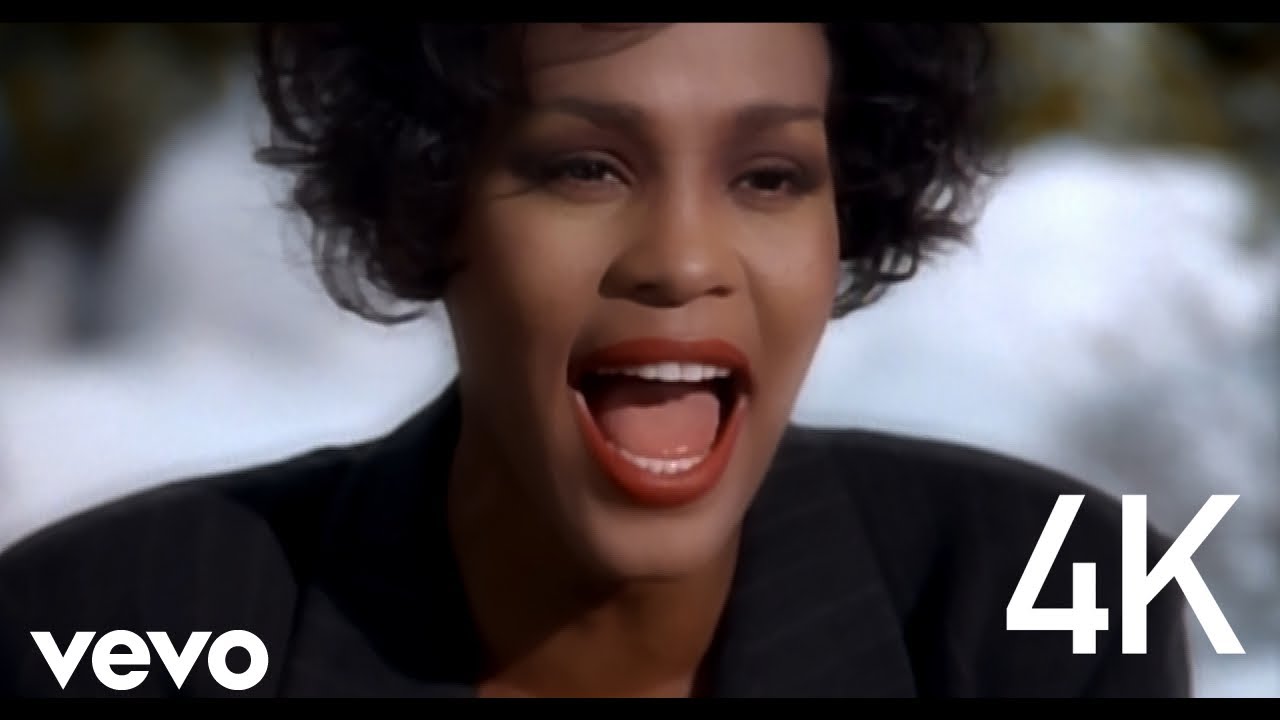



→ More from the 2000s File
View all 2000s hits →




Keep digging