The 2000s File Feature
Best I Ever Had (Grey Sky Morning)
Best I Ever Had (Grey Sky Morning): Vertical Horizon's Bittersweet Follow-Up The commercial challenge facing any artist who scores a breakout hit is well doc…
01 The Story
Best I Ever Had (Grey Sky Morning): Vertical Horizon's Bittersweet Follow-Up
The commercial challenge facing any artist who scores a breakout hit is well documented: the follow-up must simultaneously honor what worked and demonstrate that the first success was not a fluke. Vertical Horizon, the Washington, D.C.-based rock band that had broken through with "Everything You Want" in 2000, a song that reached number one on the Hot 100 and spent multiple weeks atop the adult top 40 chart, faced precisely this situation when "Best I Ever Had (Grey Sky Morning)" was released as the follow-up single in 2001. The song peaked at number 58 on the Hot 100 during a sixteen-week chart run, a respectable showing that confirmed the band's audience base while falling short of their first hit's exceptional performance.
Vertical Horizon had been formed in 1991 by vocalist and guitarist Matt Scannell and guitarist Keith Kane while both were students at Georgetown University. The band built an early reputation through relentless regional touring and self-released albums, developing a loyal following in the mid-Atlantic states before signing with RCA Records and releasing Everything You Want in 1999. The album's breakthrough was not instantaneous; "Everything You Want" spent considerable time climbing the charts before reaching its peak, a slow build that reflected both the band's grassroots fan base and the adult alternative radio format's receptiveness to patient, melodic rock.
"Best I Ever Had (Grey Sky Morning)" was written by Scannell and shared certain melodic and emotional qualities with "Everything You Want" while staking its own distinct territory. The song was built around acoustic guitar, piano, and Scannell's clear, earnest vocal, with production that emphasized emotional transparency over rock-radio bombast. The full title, which incorporated the subtitle "Grey Sky Morning," suggested a more nuanced emotional register than simple romantic idealization; the grey sky qualified the warmth of the "best I ever had" declaration with an atmospheric chill that reflected the song's underlying ambivalence.
The album Everything You Want had been produced by Jay Baumgartner and the band, and "Best I Ever Had (Grey Sky Morning)" maintained the sonic palette they had established together. The production was clean and melodically driven, with layers of guitar and keyboard supporting the vocal without obscuring it. This approach was consistent with the adult alternative format that had embraced the band's sound, a format that valued emotional accessibility and melodic clarity over the heavier production tendencies of mainstream rock radio.
The song received significant airplay on adult contemporary and adult alternative stations, formats that tended to give longer runs to songs with strong emotional content and melodic appeal. The sixteen-week Hot 100 chart presence reflected the gradual build that characterized adult radio singles at the time, songs that grew through sustained airplay rather than immediate impact. This pattern was consistent with how "Everything You Want" had itself charted, and it suggested that Vertical Horizon's audience was particularly loyal to the adult alternative format rather than the broader pop mainstream.
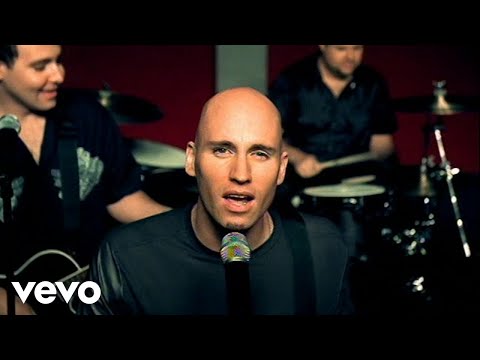
RCA Records supported the single with music video placement and radio promotion, but the commercial environment of 2001 was different from that of 2000. The adult alternative landscape was becoming increasingly competitive as multiple acts that had broken through in the late 1990s were releasing follow-up material simultaneously, and the overall radio landscape was shifting in ways that made sustained chart presence more difficult for melodic rock acts without pop-crossover appeal.
In retrospect, "Best I Ever Had (Grey Sky Morning)" occupies an interesting position in the Vertical Horizon catalog as a song that demonstrated the band's ability to write with consistent quality while also illustrating the commercial volatility that follows a breakthrough hit. Scannell's songwriting showed genuine development from "Everything You Want," incorporating a more complex emotional perspective that acknowledged difficulty and loss rather than simply the frustration of unrequited feeling. The song remains a fan favorite and a consistent presence in discussions of the melodic rock of the early 2000s, valued for its quiet emotional honesty in an era when rock music was often pulling toward louder and more aggressive expressions.
02 Song Meaning
The Meaning Behind "Best I Ever Had (Grey Sky Morning)": Gratitude and Loss in the Same Breath
"Best I Ever Had (Grey Sky Morning)" occupies an unusual emotional position for a love song, one that insists on honoring something beautiful precisely at the moment of its ending. The speaker acknowledges loss while simultaneously asserting the value of what has been lost, holding both realities without letting either cancel the other. Matt Scannell's writing does not permit the easy consolations that lesser breakup songs offer; there is no redemption narrative, no discovery that the relationship was actually bad, no pivot to self-celebration. The grey sky of the subtitle is not a metaphor for a temporary condition that will lift but an atmospheric truth about what mornings feel like after something real has ended.
The song's central claim, that the relationship being mourned was the best the speaker has known, creates a particular kind of emotional complexity. To name something as the best and then to place it in the past tense is to acknowledge both peak experience and its irreversibility. This kind of gratitude in loss, the recognition that having had something extraordinary makes its absence worse rather than better, is one of the most honest emotional positions in human experience and one of the rarest in popular song. Most pop music about endings tries to redeem loss through anger, growth, or forward momentum; this song insists on sitting with the loss itself and finding that it contains something worth preserving.
The qualifier in the subtitle, "Grey Sky Morning," functions as an environmental correlative for the speaker's internal state. Rather than describing weather as metaphor for temporary emotion, the grey sky suggests a condition that has settled in for an indeterminate stay, an ambient fact of the world after loss rather than a passing mood. The choice of morning as the time setting is also significant; morning carries cultural associations with beginning and renewal that the grey sky directly undermines, creating an image of a world that has failed to reset overnight the way mornings are supposed to promise.
The acoustic and piano-driven musical setting serves the lyric's emotional content precisely. The production's warmth is inseparable from its quiet, the instruments present but not overwhelming, leaving space around the vocal for the kind of reflective silence that the emotional situation requires. Overly dense or aggressive production would have contradicted the lyric's contemplative posture; the sparse arrangement makes the song feel like the sound of someone thinking carefully rather than feeling loudly, which is exactly what the emotional situation of grateful grief requires.
There is also something worth noting in the first-person intimacy of the song's address. The speaker speaks to someone specific, not to an audience or to the abstract concept of love, and this direct address gives the song its quality of overheard private communication. The listener is placed in the position of witness to something genuinely personal, which creates the particular kind of emotional identification that the best confessional pop achieves. Vertical Horizon's willingness to write from genuine emotional vulnerability rather than generic romantic distress was what distinguished their most successful work from the merely competent.
"Best I Ever Had (Grey Sky Morning)" ultimately argues that loss does not diminish what was lost. To hold the memory of something extraordinary with gratitude even in grief is presented as a form of emotional integrity, a refusal to rewrite the past in order to make the present easier. That argument, made not through philosophy but through the quiet insistence of a well-crafted melody and an honest vocal, is why the song continues to resonate with listeners who have found themselves in its particular grey-skied morning.
→ More from Vertical Horizon
View all Vertical Horizon hits →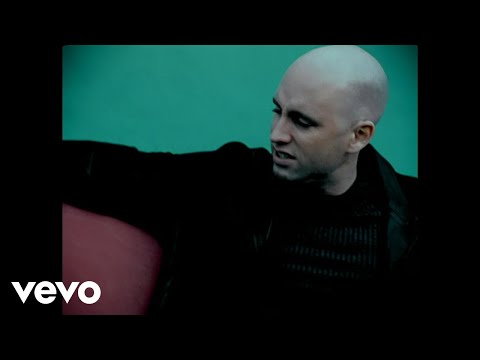
→ More from the 2000s File
View all 2000s hits →


Keep digging