The 2000s File Feature
My Old Friend
My Old Friend — Tim McGraw and the Language of Friendship and Loss A Country Giant at Full Creative Stride By the time My Old Friend appeared in late 2005, T…
01 The Story
My Old Friend — Tim McGraw and the Language of Friendship and Loss
A Country Giant at Full Creative Stride
By the time My Old Friend appeared in late 2005, Tim McGraw had been one of country music's dominant commercial forces for over a decade. His string of hits beginning in the early 1990s had built a career of unusual longevity and consistency, and he had demonstrated the ability to shift between traditional country textures and more contemporary sounds without losing the trust of his core audience. The album from which this single was drawn, Let It Go, arrived at a moment when McGraw was as artistically confident and commercially secure as at any point in his career.
Country music in late 2005 was competitive but receptive to material with genuine emotional substance. The format had room for both the uptempo anthems that dominated summer radio and the quieter, more contemplative tracks that found their audience through slow-build airplay campaigns and word of mouth. My Old Friend belonged firmly in the latter category.
The Emotional Territory of the Song
Country has always been skilled at elegies, at songs that process grief and memory with a directness that other genres sometimes avoid. My Old Friend operates in this tradition, addressing the experience of loss through the specific lens of friendship rather than romantic love. This choice of subject matter was meaningful: the country canon contains many songs about lost loves, but songs about the grief that accompanies the loss of a platonic bond are comparatively rarer, and the relative scarcity of such material made this track feel distinct.
McGraw's vocal approach to the material was characteristically measured, finding the emotional weight in understatement rather than declaration. The production, clean and warm in the manner of mid-2000s Nashville major label work, gave his voice the space to carry the song's emotional argument without competing with an overbuilt instrumental arrangement. The combination produced something that felt intimate despite its professional polish.
The Chart Journey: A Slow and Sustained Climb
The single's Billboard Hot 100 trajectory traced the pattern of a radio-driven campaign rather than a streaming-fueled debut. My Old Friend entered the Hot 100 on December 3, 2005, at position 97, a modest start that gave little indication of where it would eventually settle. Over the following weeks it moved incrementally upward, grinding through the high 80s and then stabilizing as country radio extended its support for the track.
The song reached its Hot 100 peak of number 79 during the week of January 28, 2006, having spent the better part of two months building the radio airplay that moved it up the chart. It spent 13 weeks on the Hot 100 in total, a duration that reflected genuine programmer and listener interest in a track that rewarded repeated hearing. On the country-specific charts, the song performed with even more authority, reaching the top twenty of the country airplay chart and confirming that McGraw's commercial power remained fully intact.
McGraw's Gift for the Emotionally Precise
Among the qualities that defined Tim McGraw's commercial success was his ability to find songs that said something specific, that addressed particular emotional experiences rather than broadly generalized feelings. Where other artists in the format sometimes chose material that aimed for universal relatability by remaining vague, McGraw consistently gravitated toward the precisely observed detail, the concrete image, the feeling that listeners recognized because they had felt it themselves in exactly this form.
My Old Friend exemplified that quality. Its emotional territory was specific enough to resonate with anyone who had ever processed the loss of someone they had known for a long time, and country audiences, who tend to value that kind of emotional precision, responded accordingly.
The Album Context and the Artist's Trajectory
Let It Go as an album represented McGraw in a contemplative register, willing to slow down and examine themes that the pace of country radio did not always encourage. Songs like "My Old Friend" showed an artist comfortable with vulnerability at a moment in his career when he could easily have coasted on formula. That choice to engage with difficult emotional territory rather than retreat to more comfortable commercial ground was the mark of an artist who took his craft seriously.
In the years since its release, the track has become part of the McGraw catalog that his most loyal listeners return to, the quieter songs that reward the patience of repeated listening. Press play and let the warmth and the grief arrive together, which is how they usually do.
"My Old Friend" — Tim McGraw's singular moment on the 2000s charts.
02 Song Meaning
My Old Friend — Memory, Grief, and the Bonds That Time Cannot Sever
Friendship Loss as a Subject for Country Music
The country music canon has always had a strong relationship with loss, but it has concentrated most of its elegiac energy on romantic grief. Songs about the end of love, about departed partners and shattered relationships, fill the format's history from its earliest days to the present. My Old Friend occupies a less crowded corner of that tradition, addressing the loss of a friend rather than a lover, and in doing so touches something that listeners recognize but rarely hear named so directly in their music.
The grief for a friend who is no longer present, whether through death, distance, estrangement, or simply the gradual drift that life imposes, carries qualities that are distinct from romantic grief and equally profound. It is often less socially acknowledged, less publicly processed, more likely to be carried quietly. A song that addresses it honestly fills a real need.
Memory and the Construction of the Past
The central activity of My Old Friend is remembrance: the mental act of reconstructing a person through the accumulated details of shared experience. Country music has always understood that memory is a physical experience, that certain smells, sounds, places, or seasons can trigger the full presence of someone who is gone in a way that is almost involuntary. The song draws on this understanding, positioning the narrator in a specific moment of recall rather than abstract grief.
This attention to the mechanics of memory gave the song a quality of vividness that more generalized treatments of loss sometimes lack. Listeners could map their own specific memories onto the framework the song provided, making the experience of listening actively personal rather than passively observed.
The Masculine Emotional Register in Country
Country music in the mid-2000s was navigating evolving expectations around masculine emotional expression. The format had historically maintained a certain stoicism in its treatment of male emotional experience, permitting grief but preferring it be expressed through action or resolve rather than vulnerability. Songs like "My Old Friend" pushed gently against that convention, allowing a male narrator to address loss with openness and without the mediation of toughness or resolution.
McGraw had made this kind of emotional accessibility part of his artistic identity throughout his career, and his audience had followed him into it. By 2005, his male listeners had come to expect and accept a degree of emotional candor from him that they might not have welcomed from an artist they trusted less. That trust was itself a kind of cultural achievement, built song by song over more than a decade.
Time, Estrangement, and the Weight of What Was
The song is concerned not only with death as a form of loss but with the subtler losses that accumulate as people move through their lives in different directions. Friendships that were once central can become peripheral; people who were essential to your daily existence can become occasional voices on a phone. The experience of missing someone who is still alive but no longer present in the same way is one of the more quietly painful aspects of adult life, and the song addresses it with the seriousness it deserves.
This thematic breadth gave the track a wider emotional applicability than it might have had if it addressed only bereavement. Listeners who had not lost a close friend to death could still recognize the longing in the song and find their own version of it reflected there.
Why These Songs Last
Songs about friendship and loss tend to age into their emotional power rather than out of it. As the listener grows older, the song acquires more resonance, because the accumulation of years brings more occasions to understand what it is describing. A 25-year-old hearing My Old Friend hears one thing; a 55-year-old hears another, both valid, the second simply deeper. That capacity to grow with its audience is what distinguishes the most enduring material in the country tradition from work that simply reflects a moment.
"My Old Friend" — Tim McGraw's singular moment on the 2000s charts.
→ More from Tim McGraw
View all Tim McGraw hits →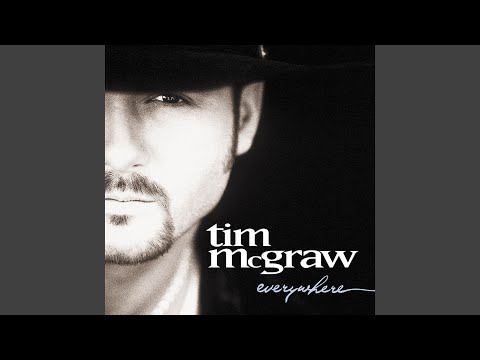




→ More from the 2000s File
View all 2000s hits →




Keep digging