The 2000s File Feature
Tarantula
Tarantula by The Smashing Pumpkins: The Return and the Chart Reality of 2007 "Tarantula" was released in 2007 as the lead single from Zeitgeist , the seventh…
01 The Story
Tarantula by The Smashing Pumpkins: The Return and the Chart Reality of 2007
"Tarantula" was released in 2007 as the lead single from Zeitgeist, the seventh studio album by The Smashing Pumpkins, issued through Reprise Records and Martha's Music. The song marked the band's return to active recording and releasing after a hiatus that had followed the dissolution of the group's original lineup in 2000. Frontman Billy Corgan had disbanded the Pumpkins following the departure of key members and had pursued various projects during the intervening years, most notably the band Zwan and a solo album. The announcement of a Smashing Pumpkins reunion and the release of "Tarantula" generated substantial media attention and commercial anticipation.
The reconstituted lineup for the Zeitgeist sessions was significantly different from the classic formation. Original drummer Jimmy Chamberlin returned, providing one important element of continuity, but guitarist James Iha and bassist D'arcy Wretzky did not participate. Corgan handled much of the instrumental work alongside Chamberlin, and the recording was supplemented by additional musicians. This partial reunion became a source of commentary among critics and longtime fans, with some arguing that the absence of Iha and Wretzky made the "reunion" more of a brand continuation than a genuine reconvening of the original band.
"Tarantula" as a track represented a deliberate return to the heavier, guitar-driven sound that had characterized the band's early 1990s work on albums like Gish and Siamese Dream. After the more experimental and electronic textures of Machina/The Machines of God and other late-period recordings, Corgan was clearly signaling a reconnection with the distorted guitar rock that had made the Pumpkins one of the defining alternative rock acts of their era. The song's production was dense and loud, leaning on layered guitar tracks and Chamberlin's powerful drumming to create the kind of sonic weight associated with the band's commercial peak.
Zeitgeist was released in July 2007 and debuted at number 2 on the Billboard 200, demonstrating that the Pumpkins' brand still commanded genuine commercial interest nearly a decade after their initial dissolution. The album sold over 100,000 copies in its first week in the United States, a strong performance in the fragmented album market of 2007 that confirmed the band's sustained commercial relevance. "Tarantula" as the lead single generated rock radio airplay and charted on the Billboard Mainstream Rock Tracks chart, where it reached a respectable position reflecting the song's radio-friendly hard rock qualities.
Critical reception of the album and the single was mixed. Some reviewers welcomed the return to guitar-driven rock as a course correction after the band's more experimental late period. Others questioned whether the partial lineup and the promotional context of the reunion undermined the album's artistic authenticity. The Pumpkins had always attracted a critical discourse that combined genuine enthusiasm for their most ambitious work with skepticism about Corgan's more grandiose statements and decisions, and the Zeitgeist rollout did little to alter that dynamic.
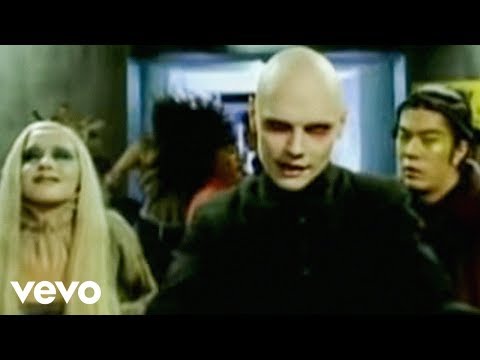
The song received significant radio support across rock formats, both mainstream and active rock, and was accompanied by a music video that received MTV airplay. The promotional campaign around the album was extensive, including high-profile television appearances and a touring schedule that demonstrated the band's continued ability to draw large audiences. These efforts translated into the album's commercial debut performance and gave "Tarantula" broader visibility than it might otherwise have achieved.
The track has maintained a presence on rock radio formats and streaming playlists devoted to alternative rock from the 2000s. For fans who discovered the Pumpkins during the peak of their commercial success in the 1990s, the song represented a familiar return to what they valued most about the band. For newer listeners, it served as an introduction to a band that had shaped the alternative rock landscape of an earlier decade and was attempting to demonstrate continued creative vitality.
Billy Corgan's continued stewardship of the Smashing Pumpkins name through subsequent years, including further lineup changes and additional album releases, has given "Tarantula" the status of a transitional document within the band's long and complicated history. It marked the beginning of the post-hiatus phase of the Pumpkins' existence, a phase that has proven more durable than many observers expected when the reunion was first announced.
02 Song Meaning
The Meaning of "Tarantula": Aggression, Return, and the Smashing Pumpkins Identity
"Tarantula" announces itself through its sonic choices before any lyrical meaning registers. The title creature functions as an image of danger, of something that moves in unexpected ways, that carries venom, and that people instinctively recoil from while remaining fascinated. This duality, attractive and threatening simultaneously, has always been central to the Smashing Pumpkins' artistic identity, and "Tarantula" deploys it with the directness of a band reclaiming its own mythology after years away.
The song's aggressive guitar tone and dense production communicate something beyond the literal content of the lyrics. Billy Corgan was making a statement about the kind of band the Pumpkins were returning as, and that statement was muscular and unapologetic. After years of experiments with electronic production and the complicated narrative of the band's dissolution, "Tarantula" planted its flag firmly in the loud, distorted guitar-rock territory that had defined the band's most commercially and artistically successful period. The sound itself was an argument.
The lyrical themes of the song engage with conflict, desire, and the predatory dynamics of human relationships. Corgan had long been drawn to imagery that combined romantic and adversarial impulses, and "Tarantula" operates in that familiar space. The creature of the title serves as a metaphor for a relationship or a personality characterized by dangerous attraction, where closeness involves risk and the balance of power is unstable. This kind of psychologically charged romantic imagery was consistent with the Pumpkins' catalog going back to their earliest recordings.
There is also a dimension of self-assertion in the song that reflects its position as a comeback track. Corgan was well aware that "Tarantula" would be heard in the context of the band's return, and the song's energy carries an implicit response to the skepticism that the reunion had generated. The aggression in the performance is not just about the ostensible subject of the lyrics; it is also about proving that the creative energy that had made the Pumpkins significant had not dissipated during the years of inactivity and commercial difficulty.
Jimmy Chamberlin's drumming is a crucial element of the song's meaning as well as its sound. Chamberlin had been a founding member and a key contributor to the band's most celebrated work, and his return gave "Tarantula" a continuity with the Pumpkins' past that the absence of other original members threatened to undermine. His playing on the track is authoritative and physically powerful, and for longtime fans his presence alone signaled that something genuine was being attempted, not merely a commercial exercise in brand revival.
The song's place within the Zeitgeist album as its opening statement and lead single gave it a particular strategic meaning. It was the Pumpkins' public face in their return year, the track that would be played on radio and television, the one that would either succeed or fail in reestablishing the band's commercial presence. That pressure is audible in the recording's uncompromising energy; there is nothing tentative or exploratory about "Tarantula." It commits fully to its chosen approach.
For listeners approaching the song as part of the broader Pumpkins catalog, it sits at the beginning of a late period that has proven more artistically productive than the band's complicated commercial narrative might suggest. Corgan continued to release ambitious and musically interesting work under the Pumpkins name in the years following Zeitgeist, and "Tarantula" can be heard in retrospect as the opening move in that extended creative phase rather than as a one-off attempt at commercial resurrection.
The combination of familiar sonic signifiers (the layered guitars, the dynamic shifts between quiet and loud passages, the melodic but aggressive vocal approach) with thematic content that was consistent with the band's established preoccupations gave "Tarantula" a coherence that more hastily assembled comeback tracks often lack. Whether one finds its argument convincing depends partly on one's relationship to the Pumpkins' back catalog and partly on how one evaluates the legitimacy of a partial reunion, but the song makes its case on its own terms with genuine conviction.
→ More from The Smashing Pumpkins
View all The Smashing Pumpkins hits →



→ More from the 2000s File
View all 2000s hits →


Keep digging