The 2000s File Feature
Top Of The World
Top Of The World: The Pussycat Dolls' 2009 Declaration from Doll Domination Note: This entry concerns the Pussycat Dolls' 2009 recording "Top of the World," …
01 The Story
Top Of The World: The Pussycat Dolls' 2009 Declaration from Doll Domination
Note: This entry concerns the Pussycat Dolls' 2009 recording "Top of the World," from the album "Doll Domination." It is a distinct song from the Carpenters' 1972 hit of the same title.
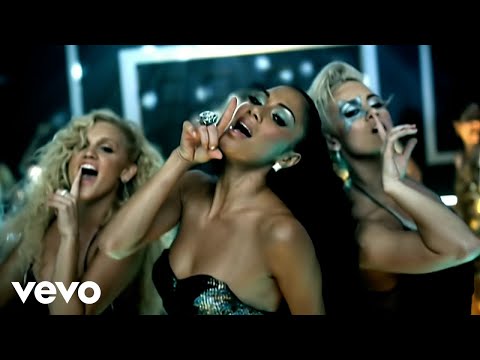
By the time the Pussycat Dolls released "Doll Domination" in September 2008, they had already established themselves as one of the most commercially successful groups in contemporary pop. Their debut album "PCD" from 2005 had produced massive worldwide hits, and their follow-up was expected to continue that momentum. "Top of the World" was among the tracks drawn from "Doll Domination" for single release, a polished piece of late-2000s pop that showcased the group's ability to move between club-ready production and more melodically driven material.
The Pussycat Dolls had been founded by Robin Antin as a burlesque dance troupe in Los Angeles in the 1990s before being transformed into a recording act with a revolving cast of members centered on lead vocalist Nicole Scherzinger. Scherzinger's powerful voice and stage presence were the consistent creative core of the group's recordings, and "Top of the World" gave her considerable room to demonstrate both. The song's production was handled in the contemporary pop-R&B style that characterized the group's commercial output, with layered vocals, electronic elements, and a melodic hook designed for maximum radio impact.
"Doll Domination" was released on Interscope Records in September 2008, debuting at number four on the Billboard 200 album chart and performing similarly well in markets across Europe, Asia, and Australia. The album's commercial reception was somewhat mixed relative to the enormous success of "PCD," reflecting both the changing landscape of pop music in the late 2000s and the logistical challenges of maintaining momentum across a second album cycle. "Top of the World" was one of the tracks selected for promotional emphasis as the album cycle extended into 2009.
The song featured production consistent with the late-2000s pop-R&B sound, incorporating the kind of synthesizer-based arrangement and rhythmic programming that was standard in mainstream pop production of the period. The vocal arrangement gave Scherzinger opportunities to move between the controlled, melodically precise delivery the verses required and the more expansive, emotionally elevated singing that the chorus demanded. Will.i.am was among the producers involved in the "Doll Domination" sessions, and the album reflected his influence on the sound of that period's mainstream pop.
The Pussycat Dolls were, by 2008 and 2009, operating in a pop landscape that was more fragmented and more competitive than the one they had entered in 2005. The rise of digital distribution had changed the economics of the album format, and the group that had benefited enormously from the early streaming and download era was now navigating its more complex second phase. "Top of the World" was promoted across multiple markets and received airplay on the adult contemporary and pop radio formats that constituted the primary broadcast platforms for the group's music.
Nicole Scherzinger had been pursuing parallel solo opportunities throughout the Pussycat Dolls' career, releasing material in various markets and appearing in other media contexts. This dual trajectory created some tension within the group's identity, as it was not always clear whether the Pussycat Dolls were a genuine collective or a vehicle primarily for Scherzinger's individual talent. "Top of the World" was, in this context, a recording that both demonstrated the group's continued commercial ambitions and hinted at the tensions that would eventually lead to their dissolution.
The group officially disbanded in 2010, shortly after the "Doll Domination" album cycle concluded. Scherzinger went on to a successful solo career in the United Kingdom, where she had a particularly devoted following, while other members pursued various entertainment opportunities. The Pussycat Dolls subsequently reformed for a highly publicized reunion tour announcement in 2019, demonstrating the continued commercial appeal of the brand that Antin had built over two decades. "Top of the World" remained part of the catalog that defined their peak commercial period, a reminder of the ambition and production values that had characterized their work at the height of their commercial success.
02 Song Meaning
Ambition and Ascent: The Meaning of "Top of the World" by The Pussycat Dolls
Note: This entry concerns the Pussycat Dolls' 2009 recording, not the Carpenters' 1972 song of the same name.
"Top of the World" by the Pussycat Dolls situates itself within a well-established tradition of pop songs about success, ambition, and the feeling of having achieved a long-sought position. The song's emotional register is triumphant and celebratory, presenting an image of someone who has arrived at the peak they were working toward. The lyrical content moves through territory familiar in late-2000s pop, combining romantic aspiration with a more general sense of personal achievement, suggesting that the "top of the world" in question is both a relational and a professional condition.
Nicole Scherzinger's vocal delivery on the track was crucial to the song's emotional effect. Her voice carried genuine conviction into material that could have read as formulaic in less capable hands. The power she brought to the chorus gave the song's declarations a force that felt earned rather than asserted. Scherzinger's vocal range allowed her to inhabit both the softer, more intimate moments of the lyric and the full-voiced climactic sections that the song's structure demanded, and that range was central to the Pussycat Dolls' commercial appeal throughout their career.
The song also functioned as a statement about the group's own position within the pop landscape. The Pussycat Dolls had, by 2008, genuinely achieved the kind of commercial success that "Top of the World" described: global hit singles, massive touring revenues, merchandise and licensing deals, and a brand recognition that extended well beyond the music industry. The song's triumphant tone was not entirely fictional; it reflected a real position that the group occupied, even as internal tensions were beginning to complicate that position.
The late-2000s pop production style that framed the song influenced how its emotional content was received. The synthesized elements and programmed rhythms created a sense of momentum and modernity, aligning the song's declarations of success with the technological sophistication of contemporary pop production. The production did not undermine the song's emotional sincerity but instead gave it the sheen of achievement, suggesting a world where ambition and artistry could coexist with commercial calculation.
For listeners in 2009, the song offered the kind of aspirational fantasy that pop music had always trafficked in, but delivered with the particular confidence of a group that had already demonstrated it was capable of reaching the charts consistently. The Pussycat Dolls were not promising what they would do; they were describing what they had already accomplished. That distinction gave "Top of the World" a quality of earned confidence that separated it from more purely wishful pop expressions of similar themes, and contributed to the song's place in the group's recorded legacy as a document of their commercial peak.
→ More from The Pussycat Dolls
View all The Pussycat Dolls hits →



→ More from the 2000s File
View all 2000s hits →


Keep digging