The 2000s File Feature
Hit That
Hit That by The Offspring Imagine the radio dial in late 2003: shiny pop-punk choruses fighting for airtime against crunk anthems and emo confessionals. Into…
01 The Story
"Hit That" by The Offspring
Imagine the radio dial in late 2003: shiny pop-punk choruses fighting for airtime against crunk anthems and emo confessionals. Into that crowded room walked a band that had already survived a decade of trends, swinging a song that sounded less like punk rock and more like a synth-spiked party crashing into a skate park. The Offspring had been doing exactly what they wanted for years, and they were not about to start asking permission. The track grins at you from its opening bars, equal parts mischief and muscle, the work of musicians who had long since stopped worrying about the rules.
A Veteran Band Refusing to Stand Still
By the time this track arrived, The Offspring were no scrappy newcomers. The Orange County quartet, fronted by Dexter Holland and powered by guitarist Noodles, had broken through in 1994 with the multi-platinum Smash, one of the best-selling independent records ever made. They had ridden the late-1990s pop-punk wave with sing-along smashes and goofy radio staples, proving they could be both ferocious and funny. By the early 2000s the genre they helped popularize had splintered in a hundred directions, with younger bands flooding the airwaves and the whole scene threatening to curdle into self-parody. The Offspring responded not by digging in but by loosening up. Released in late 2003 on the album Splinter, this song found a band willing to chase a glossier, more electronic sound rather than recycle the formula that made them famous. It was the sound of veterans choosing curiosity over caution.
The Sound of a Band Having Fun
What jumps out immediately is the keyboard hook, a bright little riff that loops like a video-game theme and gives the verses a strut they would not otherwise have. The guitars still bark, the drums still gallop, but there is a pop sheen across the whole thing that splits the difference between punk energy and arena polish. The track was produced by Brendan O'Brien, the studio veteran known for shaping records by Pearl Jam and Rage Against the Machine, and his fingerprints are all over the punchy, radio-ready mix. He gave the band a clean, muscular sound without sanding off their personality, balancing the synth bounce against the snarl of the guitars. The result is a song built for car stereos and mall food courts, deliberately catchy and unbothered about whether the punk purists approved. You can practically hear the band smirking through the whole performance, daring you not to bob your head along.
A Modest Climb Up the Hot 100
The chart story here is one of a respectable run rather than a runaway smash. The single debuted on the Billboard Hot 100 at number 74 on December 20, 2003, then spent the holidays slowly nudging upward. It edged from 74 to 68 and then into the mid-sixties as the new year turned, gathering momentum the way a sleeper hit does rather than exploding out of the gate. It cracked the upper-middle of the chart, and reached its peak of number 64 on January 10, 2004. In total, the song spent 15 weeks on the Hot 100, a solid showing for a band whose biggest commercial days were arguably behind them. It performed even better on rock-oriented charts, where The Offspring's core audience kept it spinning long after pop radio had moved on. The numbers told the story of a band that no longer needed a chart-topper to matter; they had built a fanbase loyal enough to carry any single they released.
A Footnote That Refused to Fade
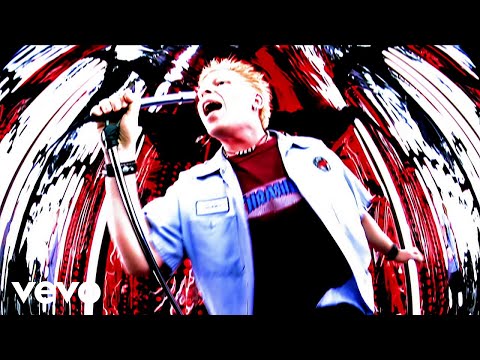
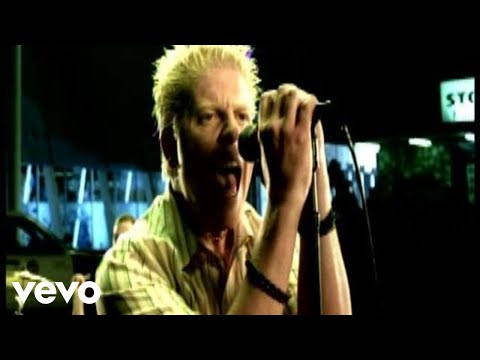
While it never became a defining anthem in the band's catalog, the track aged into a beloved deep cut for longtime fans, the kind of song that sparks a grin when it surfaces on a playlist. It became a staple of the band's live shows and a fixture on the soundtracks and video games that defined the era's youth culture, embedding itself in the memories of a generation. Its music video has gathered more than 56 million YouTube views, evidence that a generation who grew up on early-2000s pop-punk still returns to it. For a band that had already given the world several genuine smashes, this was proof they could still write a hook sticky enough to lodge in your memory. It stands as a snapshot of The Offspring comfortable in their own skin, having survived the trends that swallowed so many of their peers.
Drop the needle and let that keyboard riff bounce; it is a reminder of an era when punk bands felt free to flirt with pop and still sound exactly like themselves.
"Hit That" — The Offspring's singular moment on the 2000s charts.
02 Song Meaning
The Meaning Behind "Hit That" by The Offspring
Beneath its candy-coated keyboard hook, this song carries a sharper edge than its bounce suggests. The Offspring built a career on smuggling social commentary inside catchy melodies, and here they aim their lens at modern relationships, fractured families, and the casual way intimacy gets treated as disposable. It is a party anthem with a frown buried somewhere in the mix.
A Snapshot of Disposable Romance
The lyrics paint a picture of broken homes and tangled family trees, where commitment feels optional and consequences pile up quietly in the background. Rather than preaching, the song observes, sketching characters who chase pleasure without much thought about what comes next. There is an undercurrent of weariness beneath the bounce, a sense that the narrator has watched this cycle repeat too many times to be shocked by it. The bright, almost cartoonish music creates a deliberate tension with the bleaker subject matter, a trick The Offspring had long used to make hard truths go down easier.
Satire Dressed as a Party Song
The cheerful arrangement is the joke and the message at once, daring you to dance along to a story about people making messy choices. Holland's delivery stays detached, almost amused, which keeps the song from tipping into a lecture. That ironic distance is central to the band's identity, letting them comment on culture without ever sounding like they are wagging a finger at the listener. The contrast invites you to enjoy the song first and think about it later, if you think about it at all, which is precisely the point.
The Anxieties of an Era
Arriving in the early 2000s, the track tapped into wider conversations about shifting family structures and changing social norms. It reflected a cultural moment when traditional relationship models were being questioned and a younger generation was navigating love with far fewer rules than their parents had. The song captures the disorientation of growing up amid divorce, blended families, and a culture that increasingly treated relationships as temporary. The song does not offer answers; it simply holds up a mirror and lets the cheerful chorus do the unsettling work.
Why It Still Connects
Listeners returned to the song because it refuses to moralize while still saying something real. You can take it as a pure pop-punk thrill, a guilty-pleasure earworm, or a wry comment on the way people treat each other. That dual nature is what gives the song its lasting appeal, rewarding both the casual listener and the one who pays attention to the words. The flexibility is exactly why it endures, slipping easily between background fun and genuine reflection depending on how closely you choose to listen.
→ More from The Offspring
View all The Offspring hits →


→ More from the 2000s File
View all 2000s hits →




Keep digging