The 2000s File Feature
Westside Story
"Westside Story": The Game, 50 Cent, and the West Coast Comeback When The Game released "Westside Story" in 2004, the track announced the arrival of one of W…
01 The Story
"Westside Story": The Game, 50 Cent, and the West Coast Comeback
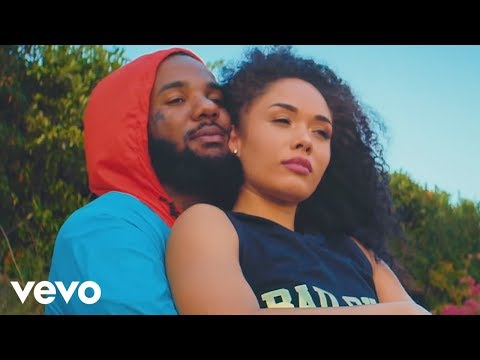
When The Game released "Westside Story" in 2004, the track announced the arrival of one of West Coast hip-hop's most significant new voices at a moment when the region had been commercially and culturally eclipsed by the South and was in urgent need of a new flagship artist. The song featured 50 Cent, the most commercially dominant rapper in the world at that precise moment following the success of Get Rich or Die Tryin', and arrived as the lead single from The Game's debut album The Documentary. The track was released through Aftermath Entertainment, Interscope Records, and G-Unit Records, a label arrangement that positioned The Game at the intersection of Dr. Dre's production legacy and 50 Cent's commercial juggernaut.
The Documentary would be released on January 18, 2005, but "Westside Story" appeared in 2004 as the album's advance single, generating significant anticipation for a debut that was being positioned as a major event in hip-hop. The album featured production from Dr. Dre, Kanye West, Just Blaze, Timbaland, and others, a roster of beatmakers that signaled the extraordinary investment the label had made in launching The Game as a premier West Coast artist. The combination of this production firepower with the G-Unit collaboration gave "Westside Story" a commercial platform that few debut singles could match.
"Westside Story" was produced by Kanye West, one of the most sought-after producers in hip-hop during 2004 following his own breakout as both a rapper and a beatmaker. West's production featured his characteristic soulful sample-flipping approach, creating an instrumental that connected the track to the soul and gospel tradition while remaining firmly within contemporary hip-hop's sonic conventions. This production choice distinguished "Westside Story" from the harder, more minimalist sound associated with G-Unit and 50 Cent's solo work, giving The Game's debut a sonic identity that was distinctly Dre-adjacent.
The Game himself had a remarkable backstory that contributed to the track's mythology. Born Jayceon Terrell Taylor in Compton, California, he had survived a shooting in 2001 that left him hospitalized for several days, an experience that he would later describe as transformative and that gave his gangsta rap persona an autobiographical authenticity that contrasted with the purely commercial gangsta image some artists projected. His connection to the Compton tradition of artists including Dr. Dre, Eazy-E, and N.W.A gave "Westside Story" historical legitimacy as a West Coast statement.
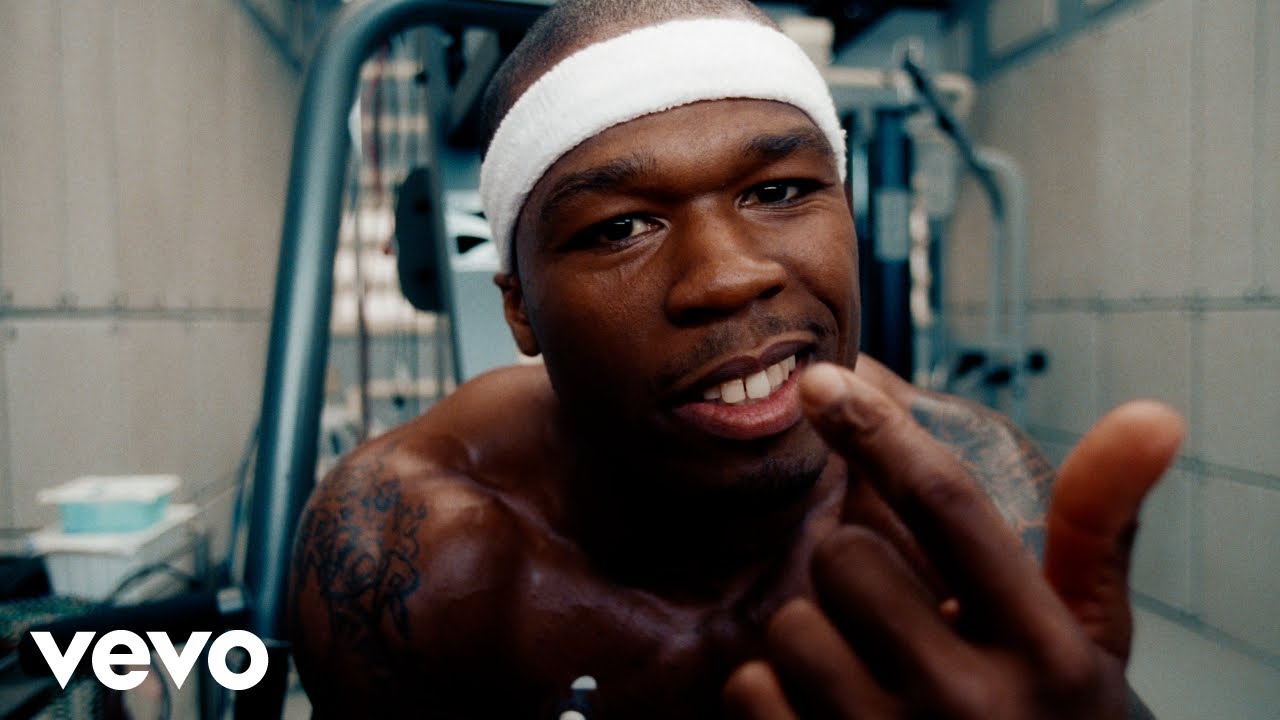
50 Cent's feature was the single's most obvious commercial selling point given the commercial dominance he exercised in 2004. His appearance on the track served as an implicit endorsement of The Game as a worthy addition to the hip-hop conversation, and the G-Unit imprimatur suggested that 50 was personally invested in his success. The collaboration between the two rappers would prove to be short-lived, with their public falling out in early 2005 becoming one of hip-hop's more dramatic feuds of the decade, but at the time of "Westside Story"'s release, the partnership appeared to be a genuine artistic alliance as well as a commercial strategy.
The Documentary debuted at number one on the Billboard 200 and was certified platinum multiple times, eventually becoming one of the best-selling rap albums of the mid-2000s. "Westside Story" was central to the album's success as both a creative statement and a commercial vehicle, with its combination of The Game's lyrical ambition and 50 Cent's star power generating radio airplay and critical attention that established The Game as a genuine force in hip-hop rather than simply a promising new signing.
The critical reception of "Westside Story" was largely positive, with reviewers noting the track's combination of Kanye West's distinctive production, The Game's technical skill and autobiographical content, and 50 Cent's commercial appeal. The song was understood from its release as a statement of West Coast renewal, an explicit claim that the region had not only a new voice but a voice capable of competing with the South and East coasts on commercial and critical terms simultaneously.
The song's title was itself a statement, invoking the mid-century theatrical classic as a frame for the specific stories of Los Angeles gang culture and survival that The Game was positioning as his primary subject matter. The use of "story" in the title connected to a storytelling tradition in rap that valued autobiographical specificity, and "Westside Story" delivered on this promise by grounding its commercial ambitions in the particular details of a particular place and a particular biography.
02 Song Meaning
Regional Identity and Autobiographical Testimony in "Westside Story"
"Westside Story" is fundamentally a track about place and the identities forged within specific places. Where much commercial rap in 2004 was becoming increasingly abstracted from geography, The Game's debut single reasserted the importance of Compton, Los Angeles, and the West Coast as specific locations that produce specific kinds of people with specific kinds of stories. The song is a declaration of regional identity as much as it is an individual artistic statement, proposing that the Westside experience has its own particular texture and truth that demands to be heard on its own terms.
The autobiographical dimension of the track is central to its meaning. The Game's personal history, including his near-fatal shooting, his connection to Compton's musical legacy through Dr. Dre and the West Coast tradition, and his experience of street life before his rap career, gives the song's claims a weight that purely fictional gangsta rap cannot achieve. The listener's understanding that these are real experiences being narrated rather than invented scenarios adds an emotional gravity that distinguishes "Westside Story" from contemporary tracks that engaged with similar themes more superficially.
50 Cent's presence carries its own meaning within the track. By 2004, 50 was himself a symbol of authentic street narrative converted into commercial rap success, having survived a shooting and built a commercial empire from that experience. His collaboration with The Game created an implicit dialogue between two survivors from different coasts, both of whom had converted real-world danger into artistic capital. This shared biographical subtext gives the feature dimension beyond pure commercial calculation, suggesting a genuine recognition of shared experience across the geographic divide.
Kanye West's production choice to deploy soulful sampling for a West Coast street narrative is itself meaningful. The soul tradition invoked in the production connects the specific story being told to a broader history of Black American survival and expression, situating The Game's individual experience within a communal inheritance. The production says, in effect, that this story is part of a longer story, that the Compton narrative belongs to a history of Black American life that deserves both recognition and reverence.
Within the history of West Coast hip-hop, "Westside Story" marks a genuine moment of regional renaissance, a track that demonstrated that the tradition established by N.W.A, Dr. Dre, and Tupac Shakur could produce a new generation of artists capable of carrying it forward with commercial force and artistic integrity simultaneously. The song's meaning for listeners familiar with that tradition is partly nostalgic, partly celebratory, and partly a declaration that the work is continuing rather than concluded.
→ More from The Game Featuring 50 Cent
View all The Game Featuring 50 Cent hits →
→ More from the 2000s File
View all 2000s hits →
Keep digging