The 2000s File Feature
Want To
"Want To" — Sugarland Country Music's New Energy in 2006 There was something happening in country music in 2006 that the genre hadn't quite seen before. A ne…
01 The Story
"Want To" — Sugarland
Country Music's New Energy in 2006
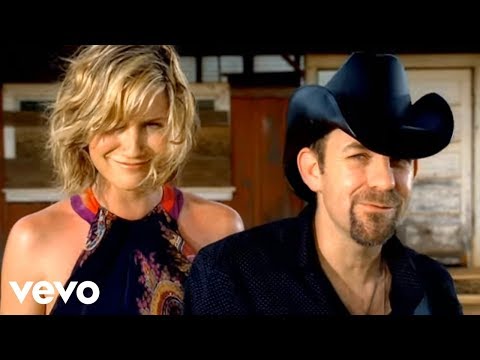
There was something happening in country music in 2006 that the genre hadn't quite seen before. A new wave of acts was pushing against the polished Nashville sound that had defined the 1990s boom years, bringing rawer edges, more personal writing, and a willingness to sit with complicated feelings rather than resolve them into easy uplift. Sugarland, the Atlanta-based duo of Jennifer Nettles and Kristian Bush, were at the leading edge of that shift. By the time "Want To" arrived in the fall of 2006, they had already established themselves as a group with serious commercial instincts and something genuine to say.
Nettles in particular was becoming recognized as one of the more distinctive voices in the genre, a singer capable of the kind of controlled ferocity that Nashville hadn't heard in exactly that register. Her delivery on "Want To" drew on that quality, giving the song an urgency that set it apart from the more measured, radio-calculated singles surrounding it.
The Song and Its Sound
"Want To" was included on Sugarland's second studio album, Enjoy the Ride, released in 2006 on Mercury Nashville Records. The production strikes a balance between acoustic warmth and contemporary polish, with Kristian Bush's guitar work providing a foundation that feels rooted in country tradition while the overall sonic texture leans toward the mainstream pop-country crossover sound that was drawing massive audiences in that era.
The song centers on a declaration of desire and emotional availability, a narrator opening themselves to possibility rather than protecting against it. That kind of active emotional openness translated effectively to Nettles's vocal style, which carries conviction even when the sentiment is vulnerable rather than defiant.
Chart Performance
The single debuted on the Billboard Hot 100 on October 7, 2006, entering at position 41. Its chart trajectory was more gradual than dramatic, moving around the middle of the chart before reaching its peak position of 32 on November 25, 2006. It spent 20 weeks total on the Hot 100, a run that reflects the consistent radio support country crossover acts could generate during this period when country-pop was genuinely competing for mainstream attention.
The 20-week run is worth noting specifically: it indicates the kind of sustained listener engagement that separates a genuine audience connection from a momentary spike. Radio programmers kept returning to the track, which signals both the quality of the recording and the depth of Sugarland's audience by that point in their career.
Sugarland's Trajectory
By the time "Want To" was charting, Sugarland had already broken through with their debut album Twice the Speed of Life in 2004. The success of that record had given them significant leverage in Nashville, and Enjoy the Ride was positioned as a commercial follow-through that would consolidate the audience they had built. The gamble paid off. The album produced multiple singles that found radio homes, and Sugarland won the Grammy Award for Best Country Performance by a Duo or Group with Vocal for "Stay" from an earlier period, cementing their critical standing alongside their commercial success.
Jennifer Nettles's writing voice grew more distinctive with each project, and the success of songs like "Want To" gave the duo the confidence to take bigger swings as the decade continued. Their later work pushed further into emotionally complex territory than most country radio acts were willing to go, a development that had its roots in the artistic ambitions already visible in these 2006 recordings.
A Snapshot of Country Crossover
In retrospect, "Want To" documents a specific and significant moment in country music's relationship with the mainstream pop audience. The genre was in the middle of its longest sustained commercial expansion, and artists who could speak to that audience without losing the rootedness that made country distinctive were doing something genuinely difficult. Sugarland's approach, keeping the guitar-forward arrangements and the narrative directness while embracing contemporary production values, became a template that shaped country-pop for years afterward.
Put it on and hear exactly what country radio sounded like at its most confident in 2006.
"Want To" — Sugarland's singular moment on the 2000s charts.
02 Song Meaning
"Want To" — Meaning and Legacy
The Emotional Landscape
At the center of "Want To" is a very specific emotional state: the moment when someone decides to stop protecting themselves and simply declare what they need. The song doesn't frame this as recklessness or desperation but as a kind of courage, a deliberate choice to be visible and honest about desire. In a genre that has always prided itself on emotional directness, Sugarland found a way to make that directness feel fresh and genuinely risky rather than formulaic.
Jennifer Nettles's vocal delivery amplifies this quality considerably. There is a transparency in her performance that makes the narrator's vulnerability feel real rather than performed, a distinction that matters enormously in country music, where audiences are particularly attuned to the difference between feeling and its simulation.
Country Music's Relationship with Desire
Country music has always been comfortable with longing, but the expression of active, confident desire, particularly from a female narrator, has had a more complicated history in the genre. Songs that center women's emotional needs without framing them as either passive or transgressive occupy a specific and important position in country's evolution. "Want To" fits that tradition without making any self-conscious statement about fitting it. The song's politics are embedded in its form rather than declared.
The 2000s were a significant decade for female voices in country, with artists like Shania Twain, the Dixie Chicks, and subsequently Sugarland pushing against the genre's tendency to center male experience and perspective. "Want To" adds to that longer conversation without requiring the listener to have read the history to feel its energy.
Why the Song Connected
The song's 20-week run on the Billboard Hot 100 suggests it was finding listeners beyond the country radio core, reaching people who weren't necessarily genre devotees but who responded to the combination of strong melody, emotional clarity, and vocal conviction. This kind of crossover appeal, earned rather than engineered, is difficult to manufacture and reflects something genuine in the song's construction.
Part of what made it connect broadly is the universality of the emotional state it describes. The experience of deciding to want something openly, without hedging, is not specific to any demographic or region. Sugarland's achievement was making that universal feeling sound specifically country, rooted in a particular tradition of emotional plain-speaking and acoustic warmth.
Legacy Within Sugarland's Catalog
Looking back across Sugarland's discography, "Want To" occupies an interesting position as an early demonstration of the group's ability to anchor emotional ambition in commercial accessibility. The more critically celebrated songs that followed, including "Stay," which deals with infidelity and the painful clarity that comes with it, drew on the same emotional directness but pushed further into discomfort. "Want To" prepared listeners for that willingness, establishing that this was an act capable of going to complicated places.
The song remains a representative example of what country-pop crossover could achieve when the artists involved were genuinely committed to the material rather than simply calculating what a mainstream audience would accept.
"Want To" — Sugarland's singular moment on the 2000s charts.
→ More from Sugarland
View all Sugarland hits →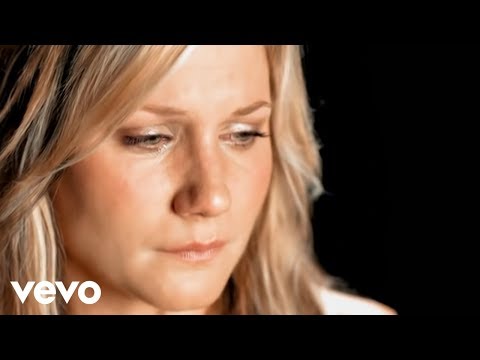

→ More from the 2000s File
View all 2000s hits →

Keep digging