The 2000s File Feature
Signs
Signs: How Snoop Dogg, Charlie Wilson, and Justin Timberlake Built a Career-Defining Hit in 2005 In the spring of 2005, Snoop Dogg released "Signs" as a sing…
01 The Story
Signs: How Snoop Dogg, Charlie Wilson, and Justin Timberlake Built a Career-Defining Hit in 2005
In the spring of 2005, Snoop Dogg released "Signs" as a single from his eighth studio album R&G (Rhythm & Gangsta): The Masterpiece, bringing together two of the most distinct voices in contemporary music: Charlie Wilson, the legendary former frontman of The Gap Band, and Justin Timberlake, who was at the peak of his post-*NSYNC commercial ascent. The collaboration was emblematic of Snoop's long-standing ability to bridge musical eras and genres, stitching together the deep-groove traditions of funk and soul with the mainstream hip-hop production landscape of the mid-2000s.
The song was produced by Scott Storch, one of the most in-demand beatmakers of the era, whose fingerprints were on a remarkable run of hits across multiple genres from roughly 2003 through 2007. Storch built the track on a sample and melodic palette that foregrounded its R&B and gospel-adjacent emotional core, giving Wilson's vocals the kind of rich, Sunday-morning warmth they deserved. Timberlake, meanwhile, contributed a hook that bridged pop accessibility with the track's deeper groove traditions, his voice curling around the melody with the ease of someone who had been absorbing the full spectrum of Black American music since childhood.
R&G (Rhythm & Gangsta): The Masterpiece was released on November 16, 2004, on Geffen Records and Doggystyle Records, and debuted at number one on the Billboard 200. It sold over 316,000 copies in its first week of release in the United States, an impressive figure for a Snoop Dogg album at a time when the music industry was still grappling with the transition from physical to digital sales. The album's blend of street-oriented gangsta rap with smooth, radio-friendly R&B made it one of the more commercially versatile releases of his career.
"Signs" charted on the Billboard Hot 100 and received significant airplay across both urban and pop radio formats. Its crossover appeal was driven largely by the presence of Timberlake, whose 2003 debut solo album Justified had made him a bankable pop-soul commodity, and Charlie Wilson, whose name carried enormous prestige among listeners who remembered the Gap Band's dominance in the early 1980s. The combination of three generational talents, each representing a different chapter of Black music history, gave the song a richness that transcended any single demographic.
Musically, "Signs" leaned into themes of gratitude and reflection, with Snoop adopting a more contemplative tone than his gangsta rap persona typically projected. This was part of a conscious rebranding effort visible throughout R&G, one in which Snoop positioned himself as an elder statesman of hip-hop while remaining commercially relevant through shrewd collaborations. Charlie Wilson's gospel-inflected delivery brought genuine emotional depth, while Timberlake's participation lent the song a pop sheen that guaranteed mainstream radio consideration.
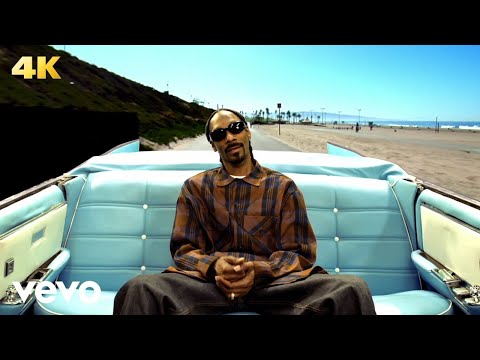
The song was accompanied by a music video that reinforced its celebratory, cross-generational aesthetic, featuring all three performers in a setting that emphasized the communal nature of the project. Videos of this kind were still primary vehicles for introducing songs to mass audiences in 2005, before the full dominance of YouTube and streaming platforms reshaped discovery patterns entirely.
The critical reception to "Signs" and to R&G as a whole was largely positive. Many reviewers noted that the album succeeded in its stated ambition of bridging the two sides of Snoop's artistic identity: the Long Beach street poet and the smooth entertainer. "Signs" was frequently cited as one of the album's highlights, a track that justified its all-star billing by actually delivering on the promise of three artists elevating one another's contributions. Charlie Wilson in particular received praise for a performance that reminded younger listeners of his stature in American music history.
For Snoop Dogg, "Signs" fit into a run of commercially successful collaborative singles that extended from "Beautiful" and "Drop It Like It's Hot" through this period, cementing his reputation as one of rap's most durable and adaptable commercial forces. The song's ability to pull together different fan bases, those of classic soul, contemporary R&B, and hip-hop, made it a template for the kind of generational handshake that Snoop would continue to pursue across the following decades.
02 Song Meaning
Counting Blessings: The Spiritual and Emotional Register of "Signs"
"Signs" stands as one of the more spiritually open moments in Snoop Dogg's discography, a song in which the artist steps back from the performative confidence of street rap to contemplate gratitude, survival, and the sense that good fortune arrives in patterns that demand to be noticed and acknowledged. The title itself anchors the song's central metaphor: the "signs" in question are evidence of divine or cosmic guidance, moments of grace that accumulate into a life that, despite its obstacles and dangers, has arrived somewhere worth celebrating.
For Snoop Dogg, whose early career was defined by his involvement in a murder case, his proximity to gang violence in Long Beach, and the volatile environment of Death Row Records in the early 1990s, the posture of gratitude in "Signs" carried biographical weight that listeners familiar with his history would immediately feel. The song was not abstract; it was the testimony of someone who had genuinely navigated circumstances that claimed many of the people around him, and who found himself, a decade into a career defined by unlikely success, still standing and still thriving.
Charlie Wilson's vocal performance deepens this reading considerably. Wilson's own biography is one of the most dramatic in American music: the former Gap Band frontman spent years in the grip of addiction before achieving sobriety and a remarkable late-career renaissance. When Wilson sings about signs of divine favor, the lyric is not a platitude but a confession, the kind of gratitude that can only be expressed by someone who has experienced its alternative. His presence on the track transforms it from a hip-hop brag into something closer to a testimony, grounded in the traditions of Black church music and gospel soul.
Justin Timberlake's contribution threads the song's gospel and soul foundations into something more immediately pop and accessible. His melodic sensibility ensures that the track's emotional core reaches listeners who might not bring the same biographical context to Wilson's presence, broadening the emotional proposition into something more universally legible. Timberlake's hook carries the song's central question forward with warmth and conviction: the signs are there for those willing to recognize them.
The song also functions as a meditation on the relationship between earthly success and something larger than personal achievement. In the tradition of gospel-influenced R&B, material prosperity and spiritual favor are not separated but intertwined; to succeed in the world is evidence of something operating on the artist's behalf. This framework has deep roots in Black American musical tradition, from the early blues and gospel synthesis through the soul music of the 1960s and the funk and gospel crossover work of artists like the Gap Band themselves. "Signs" draws on that entire lineage, placing Snoop Dogg within a tradition larger than hip-hop and asking listeners to hear his success story through that longer lens.
Thematically, the track also functions as a bridge between hip-hop's typically secular self-assertion and the faith-infused expressions of gratitude more common in gospel and soul. This hybrid register was not uncommon in the mid-2000s R&B landscape, as artists increasingly incorporated spiritual language into mainstream pop contexts without fully committing to the conventions of religious music. "Signs" inhabits that middle space comfortably, sincere enough to resonate with listeners who hold genuine faith commitments, and musically polished enough to function in entirely secular listening contexts without friction.
→ More from Snoop Dogg Featuring Charlie Wilson & Justin Timberlake
View all Snoop Dogg Featuring Charlie Wilson & Justin Timberlake hits →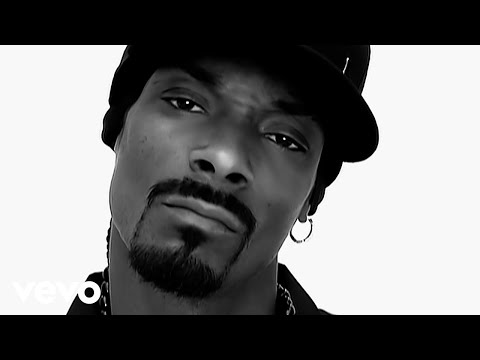
→ More from the 2000s File
View all 2000s hits →




Keep digging