The 2000s File Feature
Fake It
The Raw Intensity of Fake It by Seether Picture the late 2000s rock landscape, where post-grunge and hard rock still commanded a substantial radio audience h…
01 The Story
The Raw Intensity of "Fake It" by Seether
Picture the late 2000s rock landscape, where post-grunge and hard rock still commanded a substantial radio audience hungry for songs with bite. Into that world Seether dropped "Fake It," a track that paired a punchy, aggressive riff with a sneering critique of phoniness. It became one of the band's biggest and most recognizable hits, a song built to be shouted along to with cathartic force.
A Band Solidifying Its Place
Seether, the hard rock band led by South African vocalist and guitarist Shaun Morgan, had built a loyal following through a string of heavy, emotionally charged singles. By 2007 they were a established force on rock radio, known for combining grunge-influenced heaviness with melodic hooks. "Fake It" appeared on the album Finding Beauty in Negative Spaces and became a standout, showcasing a slightly more direct and punchy approach than some of their earlier, brooding material. It helped cement their status as one of the more reliable hard rock acts of the period.
A Punchy, Sardonic Anthem
The song is built on a driving, instantly memorable riff and a rhythm that pushes relentlessly forward. Morgan delivers the lyric with a mix of frustration and sardonic energy, his voice shifting from controlled verses into a forceful, anthemic chorus. The production is heavy and clean, balancing aggression with the kind of melodic accessibility that earns radio play. There is a sneering attitude running through the whole track, a sense of calling out hypocrisy with both contempt and a strange sort of glee.
A Steady Climb on the Hot 100
On the Billboard Hot 100 the song built its position gradually. It debuted at number 100 on October 13, 2007, then climbed steadily over the following months as it gained momentum. It reached its peak position of number 56, in the week of January 5, 2008, and proved durable, logging 20 weeks on the Hot 100. The song performed considerably more strongly on rock-focused charts, where it became one of the band's signature hits and a staple of hard rock radio for years.
A Signature Hit and Live Staple
The song became one of Seether's most enduring and recognizable tracks, a fixture of their live performances and a favorite among their dedicated fanbase. Its blend of heaviness, hooks and attitude captured everything that made the band appealing, and it helped sustain their long career in a genre where many acts faded quickly. The recording has gathered roughly 45 million YouTube views, a measure of how strongly it continues to connect with rock fans who appreciate its raw, unfiltered energy.
Staying Power in a Tough Genre
Hard rock and post-grunge produced many bands that scored a hit or two before disappearing, which makes Seether's longevity notable. "Fake It" played a real role in that durability, giving the band a crossover-leaning hit that broadened their audience without alienating the fans who valued their heaviness. The song struck a balance that many of their peers struggled to find, aggressive enough to satisfy rock radio yet melodic enough to reach beyond it. That ability to write a genuinely catchy hard rock song, rather than relying on volume alone, is a large part of why the band remained a consistent presence on the rock scene for years after this single's release.
Why You Should Press Play
If you want a dose of hard rock with a sharp edge and an irresistible riff, "Fake It" delivers. Press play, turn it up, and let that driving hook take over; it remains one of the most satisfying rock anthems of its era, the kind of song that channels frustration into pure, fist-pumping momentum and proves how much energy a band can pack into a single tight, snarling track.
"Fake It" — Seether's singular moment on the 2000s charts.
02 Song Meaning
The Meaning Behind "Fake It" by Seether
"Fake It" is a song about phoniness, self-delusion and the pressure to put on a false front. Its meaning carries a sardonic, frustrated edge, taking aim at the way people pretend to be something they are not and questioning the cost of that constant performance.
A Critique of Pretending
The central theme is a pointed jab at inauthenticity. The lyric paraphrases an attack on people who maintain a false image, advising them to simply keep up the pretense if that is the path they have chosen. The song treats the act of faking it as both a personal failing and a survival strategy in a world that often rewards performance over honesty. That tension gives the track its bite.
Frustration and Resignation
Beneath the sneer runs a current of weariness. The song expresses frustration not only with others but with the broader expectation that everyone must wear a mask to get by. There is a sense of resignation in its delivery, an acknowledgment that the pressure to fake it may be inescapable. That mix of contempt and exhaustion makes the song feel emotionally complex beneath its aggressive surface.
The Mood of Post-Grunge Rock
The song reflects the sensibility of the hard rock and post-grunge scene of its time. This was a genre built on emotional honesty, cynicism and a distrust of surface-level appearances, themes that ran through much of the era's most popular rock. "Fake It" channeled that skepticism into a punchy, accessible anthem, giving voice to a widespread frustration with hypocrisy and pretense.
The Mask Everyone Wears
Part of what gives the song its bite is the suspicion that the criticism cuts both ways. While the lyric points fingers at others who put on a false front, it also raises an uncomfortable question about how much everyone pretends to get through life. That ambiguity keeps the song from feeling like simple finger-pointing, hinting instead at a broader truth about the masks people wear in a world that often rewards image over substance. The listener is left to wonder whether the target of the song's scorn is really so different from themselves, which lends the track an unexpected depth.
Why It Resonated
Listeners connected because the song gives voice to a feeling many share: irritation with phoniness and the pressure to perform a false version of yourself. It offers both a critique and a cathartic release, a chance to shout along to a frustration that often goes unspoken. That combination of relatable cynicism and a powerful, anthemic delivery is why the song became such an enduring favorite among rock fans.
→ More from Seether
View all Seether hits →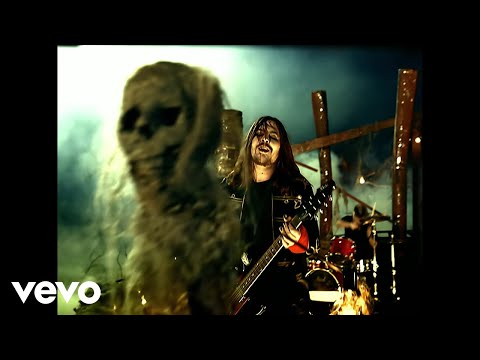




→ More from the 2000s File
View all 2000s hits →




Keep digging