The 2000s File Feature
While You Loved Me
While You Loved Me by Rascal Flatts It is 2001, and country radio is in the middle of a quiet revolution. A new wave of acts is blending traditional storytel…
01 The Story
"While You Loved Me" by Rascal Flatts
It is 2001, and country radio is in the middle of a quiet revolution. A new wave of acts is blending traditional storytelling with the gloss of pop production, broadening the genre's reach without abandoning its emotional core. Among the freshest faces is a trio whose tight harmonies and earnest ballads are about to make them one of the biggest names in the format. This song is part of that breakout.
A Trio On The Rise
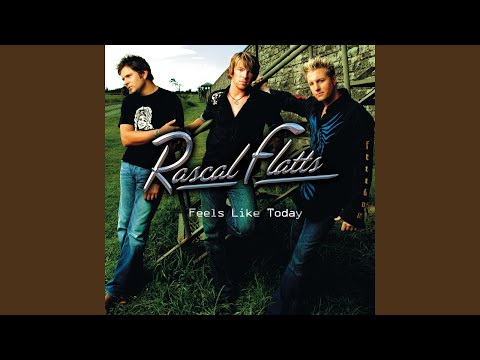
Rascal Flatts had arrived on the scene the year before, and by 2001 they were proving that their debut success was no fluke. The group built its identity on lush vocal harmonies and emotionally direct songwriting, a sound tailor-made for the country radio of the new millennium. This single came from their self-titled debut album, the record that introduced the trio's blend of heartfelt balladry and polished production. At this stage they were still establishing the formula that would carry them to superstardom over the rest of the decade.
A Ballad Of Gratitude And Loss
The song is a reflective ballad, the kind country music does better than almost any other genre. It looks back on a relationship with a mixture of sorrow and thankfulness, capturing the bittersweet ache of remembering a love that has ended. The arrangement leans on warm acoustic textures and the group's hallmark harmonies, building to the emotional swells that became a Rascal Flatts trademark. The production balances country instrumentation with pop accessibility, a combination that defined the trio's early appeal and helped them cross over to listeners who did not consider themselves country fans.
The Chart Story
The single debuted on the Billboard Hot 100 on June 30, 2001, entering at number 79. It held in that range for several weeks before nudging upward, eventually peaking at number 60 on August 18, 2001. In all it spent 12 weeks on the Hot 100. For a country act in this period, charting on the all-genre Hot 100 at all was a meaningful achievement, a sign that the trio's appeal was beginning to spill beyond country's traditional audience and into the broader pop mainstream.
An Early Step Toward Stardom
In hindsight, this song belongs to the foundation period of one of country music's defining acts of the 2000s. Rascal Flatts would go on to dominate the genre with a string of massive hits and platinum albums, becoming a fixture at awards shows and on country radio for years. This early ballad helped set the template for that success, showcasing the emotional sincerity and vocal blend that fans would come to love. It is a window into the group at the moment they were still proving themselves, hungry and on the cusp of something much larger.
The New Sound Of Country Radio
The turn of the millennium was a transformative period for country music. The genre was reaching for a younger, broader audience, and a new generation of acts was blending traditional themes with the production gloss of mainstream pop. Rascal Flatts arrived right in the middle of that shift, and their sound was perfectly calibrated for the moment. Their lush three-part harmonies set them apart from the solo singers who had dominated country for decades, giving them a distinctive group identity. The format was hungry for acts who could deliver emotion with polish, and the trio answered that demand. Their early ballads, this one included, helped establish the sound that would carry country radio through the decade, a blend of heartfelt storytelling and contemporary sheen that drew in listeners who had never considered themselves country fans before.
Building A Foundation
Every superstar career has a foundation period, the early releases that establish an identity and build a loyal following. For Rascal Flatts, this single belongs to exactly that phase. The group was still proving that it could sustain success, still earning the trust of country radio and its audience. The self-titled debut album was their proving ground, and the songs from it laid the groundwork for the platinum success to come. Listening to this track with hindsight, you can hear the elements that would soon make them giants, the emotional sincerity, the vocal blend, the careful balance of country and pop. It is the sound of a group discovering its strengths and learning how to wield them.
Give It A Listen
Put this on when you are in a reflective mood, ready to sit with a memory. It is a tender, well-crafted ballad from a group that would soon become one of country's biggest, and it carries all the heart that made them stars.
"While You Loved Me" — Rascal Flatts's singular moment on the 2000s charts.
02 Song Meaning
What "While You Loved Me" Is Really About
This is a song about looking back, about the gratitude and grief that come from remembering a love now gone. It frames a finished relationship not with bitterness but with thankfulness, focusing on the time when the love was real rather than on the pain of its ending. That generous perspective is the song's emotional center.
Gratitude For What Was
The dominant theme is appreciation rather than regret. The narrator reflects on a period when he was loved and chooses to cherish it, even though the relationship has ended. The song reframes loss as a kind of gift, honoring the joy that existed instead of dwelling solely on the heartbreak. That mature, grateful stance gives the lyric its quiet dignity and sets it apart from more conventional breakup songs.
The Ache Of Memory
Running beneath the gratitude is genuine sorrow. The act of looking back implies that the love is no longer present, and the song does not hide that pain. The bittersweet tension between thankfulness and longing is what gives the ballad its depth. It captures the complicated emotional truth that you can be grateful for something and still mourn its loss, both feelings living together in the same memory.
Country Storytelling In 2001
The song fits squarely within country music's long tradition of emotional storytelling. In 2001, the genre was reaching wider audiences by pairing that storytelling with more polished, radio-friendly production. This track reflects that crossover moment, delivering classic country sentiment in a package accessible to pop listeners. Its themes of love, memory, and gratitude were universal enough to connect well beyond the genre's core fan base.
The Maturity Of Letting Go
What gives the song its emotional sophistication is its refusal to villainize anyone. There is no betrayal here, no anger, no blame. Instead the lyric models a kind of emotional maturity that is rare in popular music, the ability to honor a relationship even after it has ended. This is the perspective of acceptance rather than resentment, the hard-won peace that comes when you stop fighting a loss and start appreciating what it gave you. That graceful stance asks something of the listener, an invitation to grow alongside the narrator. It suggests that healing is possible, that you can carry a love forward as gratitude rather than as a wound, and that quiet wisdom is part of why the song resonates so deeply.
Why It Resonated
Listeners connected with the song because nearly everyone has loved and lost, and nearly everyone has tried to make peace with it. By choosing gratitude over bitterness, the song offered a comforting way to process heartbreak. Paired with the trio's soaring harmonies, that message landed with real emotional force, helping the young group build the loyal following that would soon make them stars.
→ More from Rascal Flatts
View all Rascal Flatts hits →



→ More from the 2000s File
View all 2000s hits →



Keep digging