The 2000s File Feature
Skin (Sarabeth)
"Skin (Sarabeth)" — Rascal Flatts and a Song That Demanded Courage Country Radio in 2005 and the Stories It Told Country music in the middle of the 2000s was…
01 The Story
"Skin (Sarabeth)" — Rascal Flatts and a Song That Demanded Courage
Country Radio in 2005 and the Stories It Told
Country music in the middle of the 2000s was operating at peak commercial vitality, producing some of the best-selling records in any genre and attracting audiences far beyond the traditional country demographic. Radio formats were sophisticated, production budgets were substantial, and the Nashville machinery that connected songwriters to artists to labels to radio was functioning with unusual efficiency. Within this commercial landscape, certain songs stood apart not for their production innovation or their crossover ambition but for their emotional daring: their willingness to address subjects that most commercial music avoided. Skin (Sarabeth) by Rascal Flatts was one of those songs, a record that took on teenage illness with a directness and tenderness that made it impossible to dismiss.
Rascal Flatts at Their Commercial Height
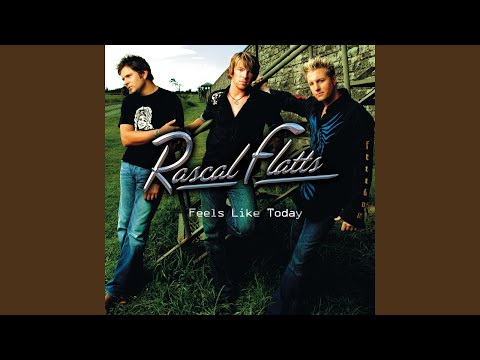
By 2005, Rascal Flatts had established themselves as one of the most commercially dominant acts in country music. The group, comprising Gary LeVox, Jay DeMarcus, and Joe Don Rooney, had developed a sound that combined traditional country melodic sensibilities with more polished pop production values, creating records that worked simultaneously on country radio and in the broader pop market. Their vocal approach, particularly LeVox's tenor lead voice, was distinctive enough to be immediately identifiable on radio, and the group had demonstrated across several albums a gift for selecting material that balanced emotional accessibility with genuine feeling. Skin (Sarabeth) represented the most emotionally demanding material they had recorded to that point.
The Song's Narrative and Its Impact
The story at the center of Skin (Sarabeth) follows a teenage girl facing cancer treatment, including the hair loss that chemotherapy causes, and a prom night that becomes meaningful in ways that its participants do not initially anticipate. The song addresses both the physical and emotional experience of illness during adolescence with remarkable specificity and restraint. The songwriting, credited to Jeffrey Steele, Mark Hall, and Don Rollins, achieves its emotional impact not through melodrama but through the accumulation of specific, credible details that build toward a conclusion with genuine emotional weight. Country music has a long tradition of narrative songwriting, and Skin (Sarabeth) represents the tradition at a high level of craft.
The Chart Journey
The single debuted on the Billboard Hot 100 on September 24, 2005, entering at number 86. Its climb was gradual and patient, consistent with the typical pattern of country crossover records that build through country radio before reaching broader mainstream attention. The song peaked at number 42 on November 5, 2005, spending a total of 17 weeks on the chart, an extended run that reflected sustained audience engagement rather than a short burst of concentrated interest. Seventeen weeks on the Hot 100 is a genuinely impressive durability for any record, and it suggests that listeners returned to the song repeatedly rather than moving on after initial exposure. That kind of repeated listening behavior typically indicates that a record is providing something beyond entertainment: comfort, recognition, meaning.
The Legacy of a Courageous Record
The response to Skin (Sarabeth) from listeners who had personal connections to cancer diagnosis, either as patients, family members, or friends, was significant and documented in the ways that such responses typically are: through letters to the artists, through radio call-ins, through the song's adoption by cancer support organizations as an anthem of sorts. Rascal Flatts' willingness to record material this emotionally demanding distinguished them from acts that played it safer, and the sustained chart performance of the song validated that choice commercially as well as artistically. The group's subsequent catalog built on this foundation of emotional trust with their audience, and Skin (Sarabeth) was a crucial element in establishing that trust.
Press play and prepare for a song that earns every single one of its 17 weeks on the chart, a story told with the care and precision that the best country music writing has always been capable of.
"Skin (Sarabeth)" — Rascal Flatts' singular moment on the 2000s charts.
02 Song Meaning
"Skin (Sarabeth)" — Illness, Identity, and the Courage to Be Seen
The Specific As a Gateway to the Universal
Country music's great strength as a narrative form has always been its willingness to be specific, to name the person, to describe the particular, to ground the emotional in the concrete detail. Skin (Sarabeth) exemplifies this tradition at a high level by building its emotional argument from very specific images: the particular experience of a teenage girl, the particular social context of a high school prom, the particular physical realities of cancer treatment during adolescence. The specificity of the Sarabeth narrative is what makes the song universally accessible rather than limiting it to listeners with directly comparable experiences. Emotional truth delivered through specific detail reaches everyone; vague generality reaches no one.
Illness and the Body in Popular Culture
Pop and country music in 2005 did not frequently address the experience of serious illness with the directness that Skin (Sarabeth) brought to it. The subject was present in the culture, in film and television narratives, but music tended to approach it obliquely, through metaphor or at a careful remove. The song's willingness to name specific physical realities of cancer treatment, including their visible, social dimensions, represented a kind of honesty that listeners with personal experience of illness found genuinely valuable. The song gave those listeners a vocabulary for their experience, a feeling that what they had been through was worthy of being rendered in the most accessible cultural form available: a hit song.
Dignity as the Song's Central Theme
If Skin (Sarabeth) can be said to have a primary thematic commitment, it is to the dignity of the person facing illness, and to the dignity of those who respond to that person with love rather than pity. The emotional climax of the song involves an act of solidarity that recognizes the essential personhood of the protagonist beyond the physical changes illness has imposed. This insistence on dignity and full humanity in the face of physical vulnerability is the song's most significant emotional contribution, and it is the quality that made the record meaningful to listeners far beyond those with direct cancer connections. The song argues, through its story, for a way of seeing other people that prioritizes their interior life over their exterior circumstances.
The Prom as a Cultural Site of Belonging
The use of prom as the setting for the song's climactic moment is not accidental. Prom occupies a particular place in American teenage mythology: a night of formal social participation that carries enormous symbolic weight as a marker of belonging, normalcy, and shared adolescent experience. For a teenager dealing with the isolating effects of serious illness, participation in that ritual carries additional significance. The songwriters' choice of this setting made the song's emotional territory accessible to an enormous audience of listeners who had their own memories of prom as a site of social meaning, regardless of the specific circumstances of their own experience. The familiar setting illuminated an unfamiliar experience.
Songs That Serve a Community
Some songs provide entertainment; some provide aesthetic experience; and some provide something rarer and more specific: a sense of recognition and community for listeners who are living through something that the culture does not often acknowledge. Skin (Sarabeth) became this kind of song for many listeners connected to cancer diagnosis, offering both acknowledgment of their experience and a model of response, the loving, clear-eyed solidarity represented by the boy in the story, that provided something like a template for how to be present with someone who is ill. Music that performs this community-building function tends to sustain itself long after its chart run ends, carried by listeners for whom it means something personal rather than merely something entertaining.
→ More from Rascal Flatts
View all Rascal Flatts hits →



→ More from the 2000s File
View all 2000s hits →




Keep digging