The 2000s File Feature
U Saved Me
U Saved Me — R. Kelly and the Gospel Turn of 2004 A Star Navigating Personal and Professional Turbulence By the summer of 2004, R. Kelly was one of the most …
01 The Story
U Saved Me — R. Kelly and the Gospel Turn of 2004
A Star Navigating Personal and Professional Turbulence
By the summer of 2004, R. Kelly was one of the most commercially successful R&B artists of his generation, but he was also navigating a period of significant personal and legal difficulty. His career had produced an almost unbroken run of major hits and production credits throughout the 1990s and into the new millennium, and his influence on contemporary R&B was impossible to overstate. The question facing him in 2004 was whether his audience would continue to support his music through periods of controversy, and the commercial performance of his releases during this period suggested that a substantial core of listeners remained engaged with his artistic output regardless of the circumstances surrounding his personal life.
The Gospel Dimension of U Saved Me
U Saved Me represents Kelly working explicitly within the gospel tradition, bringing the language and emotional register of religious devotion into the R&B mainstream. This was not an unprecedented move in his catalog; he had always drawn on gospel's emotional architecture even in his secular work. But U Saved Me made the religious dimension explicit, framing the narrator's relationship with a higher power in terms that drew directly from the African American gospel tradition's vocabulary of salvation, gratitude, and redemption. The emotional sincerity of the performance was part of what gave the song its commercial traction; gospel-inflected R&B has always found a large audience among listeners who respond to the spiritual dimension of Black American music.
The Chart Run of Summer and Fall 2004
U Saved Me debuted on the Billboard Hot 100 on July 31, 2004, entering at position 77. The single showed staying power over the following weeks, climbing and holding through the summer months. It peaked at number 52 during the week of September 18, 2004, spending a total of 16 weeks on the Hot 100. Sixteen weeks on the chart is a substantial run, indicating that the song found a loyal audience that kept returning to it rather than moving on after initial exposure. For a mid-chart peak, that duration reflected genuine listener engagement rather than a brief spike driven purely by promotional activity.
Gospel R&B and Its Commercial Power in 2004
The early 2000s had seen gospel and inspirational themes become significant commercial forces in mainstream R&B. Artists who could credibly operate in both secular and sacred registers found that the gospel-leaning material often performed well with a demographic that was broadly religious and deeply invested in Black church musical traditions. R. Kelly understood this audience with precision, and U Saved Me was crafted to speak to their specific emotional and spiritual needs while remaining accessible to the broader R&B listener. The combination produced a record that crossed demographic lines within Black American music culture in ways that purely secular releases sometimes could not.
A Complex Legacy
Any discussion of R. Kelly's catalog in the present moment requires acknowledging the severe legal consequences that eventually followed from allegations that had been circulating for years. His subsequent criminal convictions fundamentally altered how his artistic legacy is considered. The music exists in the catalog, and its commercial performance is documented, but the context in which listeners now encounter that catalog is radically different from the context of 2004. U Saved Me's gospel themes and language of redemption carry a particular weight when heard against the full biographical picture that eventually became public knowledge. Press play with that full context in view.
Gospel R&B as Creative Identity
R. Kelly's ability to move between secular and sacred registers was one of the defining features of his commercial strategy throughout the 1990s and into the 2000s. Gospel had been the source material for a significant strand of R&B since the music's origins, and artists who could credibly inhabit both worlds without alienating either audience had always found commercial advantage in that double fluency. U Saved Me was the most explicit deployment of this strategy in Kelly's post-2000 catalog, a record that positioned him directly in the gospel-soul tradition that artists like Marvin Gaye and Al Green had made commercially viable in the previous generation. The 16-week chart run confirmed that the strategy worked, at least in 2004, reaching listeners who responded to both the musical quality of the performance and its spiritual positioning.
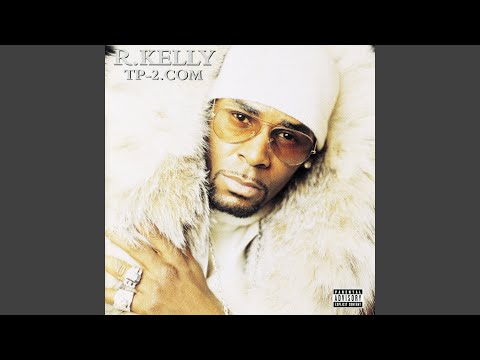
“U Saved Me” — R. Kelly's singular moment on the 2000s charts.
02 Song Meaning
The Meaning Behind “U Saved Me” by R. Kelly
Salvation as R&B Subject Matter
Gospel music and R&B have never been as far apart as their surface-level differences might suggest. Both traditions emerge from the same wellspring of African American religious and secular music, and the most emotionally powerful moments in R&B have often drawn explicitly from gospel's vocabulary of feeling. U Saved Me makes that connection overt, framing a song of gratitude and redemption in the language of religious experience. The narrator addresses a saving force with the kind of total emotional surrender that gospel music demands, describing transformation and deliverance in terms that locate the personal within the spiritual.
The Tradition of Testimony Songs
Within the African American church tradition, the testimony song holds a specific and important function: it allows the singer to publicly declare what they have been saved from and what they have been saved for. This is not private devotion but communal witness, an act of sharing one's experience of grace with a congregation that may recognize similar experiences in its own life. U Saved Me operates within this tradition, constructing a narrative of personal crisis followed by divine intervention that follows the testimony song's conventional emotional arc. For listeners raised within that tradition, the song's formal elements carried immediate and deep resonance, activating a whole set of musical and spiritual associations that enriched the listening experience beyond what the song itself could contain.
Vulnerability and the Male R&B Voice
One of the distinctive features of U Saved Me is its willingness to present a male narrator in a position of radical vulnerability and dependence. Mainstream R&B in the early 2000s had a complicated relationship with male emotional expression, tending to frame male vulnerability in carefully bounded ways. A song about being saved, about needing rescue, about owing one's continued existence to a force outside oneself, represented a different kind of emotional proposition. The gospel framing made this vulnerability acceptable within the cultural grammar of Black American music, because spiritual surrender to a higher power has always been understood as strength rather than weakness within that tradition.
Gratitude as an Artistic Theme
Gratitude is an underrepresented theme in popular music, which tends to favor desire, loss, celebration, or conflict over the quieter register of thankfulness. U Saved Me devoted itself entirely to this less-common emotional territory, and the result was a record that offered listeners something relatively rare in the R&B landscape of its moment: a sustained, sincere expression of appreciation for survival. Whether the listener interpreted the saving force as divine, as a relationship, or as something else entirely, the emotional core of the song remained accessible. Gratitude for having been pulled back from a difficult place is a feeling that crosses denominational and personal boundaries.
The Song in Its Complicated Context
Listening to U Saved Me in the present requires holding the song's gospel themes alongside the biographical reality that eventually emerged about its creator. The language of redemption and salvation, the testimony of having been saved, acquires complicated overtones when the listener knows what followed. The song becomes a document of a specific moment rather than simply a statement of spiritual conviction, and that documentary quality is itself a kind of meaning: popular music records not just its immediate emotional content but the full context of its creation, including things that were not yet known when the record was made. The song is what it is, and it is also what it has become.
→ More from R. Kelly
View all R. Kelly hits →



→ More from the 2000s File
View all 2000s hits →




Keep digging