The 2000s File Feature
Shawty
Shawty: Plies and T-Pain's R B-Rap Crossover Anthem That Defined 2007 "Shawty" was the record that carried Plies from regional Florida rapper to nationally r…
01 The Story
Shawty: Plies and T-Pain's R&B-Rap Crossover Anthem That Defined 2007
"Shawty" was the record that carried Plies from regional Florida rapper to nationally recognized presence, a commercial breakthrough achieved through the combination of his blunt, street-level charisma and T-Pain's already-dominant pop instincts. Released in 2007 as the lead single from Plies's debut album "The Real Testament," the song demonstrated that the formula of marrying Southern rap authenticity with T-Pain's autotune melodicism could generate mainstream commercial results across multiple chart formats simultaneously.
Plies, born Algernod Lanier Washington in Fort Myers, Florida, had been building a reputation in the Florida rap scene through his authentic street presentation and a direct, unambiguous approach to subject matter that distinguished him from the more metaphor-heavy styles that dominated national hip-hop discourse. His willingness to speak plainly about the realities of street life and romantic pursuit gave him a fanbase among Southern listeners who responded to the directness, but it was the partnership with T-Pain that gave him the hook and the melodic vehicle to translate that fanbase into mainstream commercial activity.
T-Pain, born Faheem Rasheed Najm in Tallahassee, Florida, was at the absolute peak of his commercial dominance in 2007. His autotune vocal approach had become the most copied sound in hip-hop and R&B following the success of his 2005 debut and the subsequent string of featured appearances that had made his voice instantly recognizable across radio formats. T-Pain had appeared on some of the biggest hits of 2006 and 2007, and his involvement with "Shawty" gave the record an immediate commercial pedigree that radio programmers recognized and responded to with heavy rotation.
"Shawty" was released on Slip-N-Slide Records through Atlantic Records, giving Plies the major label distribution infrastructure that could amplify a commercially strong single into a national chart event. The Slip-N-Slide imprint, founded by Ted Lucas in Miami, had a history of developing Florida-based talent and understood the regional market dynamics that made Southern rap breakers work. The Atlantic partnership provided the promotional resources and radio relationships that could extend the single's reach beyond the Southeast into national markets.
The production on "Shawty" was built around a melodic framework that gave T-Pain maximum room to deploy his vocal hooks while providing Plies with a hard-edged enough instrumental backdrop to maintain his street credibility. This balancing act was crucial to the song's success: too much pop smoothness and it would have lost the core audience that had followed Plies from his regional releases, too little and it would have failed to cross over to the mainstream urban and rhythmic radio audiences that were necessary for a genuine chart hit.
"Shawty" reached number three on the Billboard Hot 100 and climbed to the top of the Hot R&B/Hip-Hop Songs chart, a performance that established Plies as a nationally viable commercial artist virtually overnight. The Hot 100 peak was particularly significant given that the song competed against an exceptionally strong field of contemporary urban releases, and its ability to penetrate the top five of the mainstream singles chart demonstrated the commercial power of the T-Pain collaboration formula in its most effective iteration.
Radio airplay for "Shawty" was massive, with urban and rhythmic stations programming the track heavily from the moment it became available. T-Pain's track record with programmers meant that singles featuring him received preferential consideration, and "Shawty" delivered the airplay totals that rewarded that programming confidence. The song spent multiple weeks at number one on the urban airplay chart, accumulating the kind of sustained radio performance that built genuine widespread audience familiarity rather than the spike-and-fade pattern that purely streaming-driven hits sometimes produced.
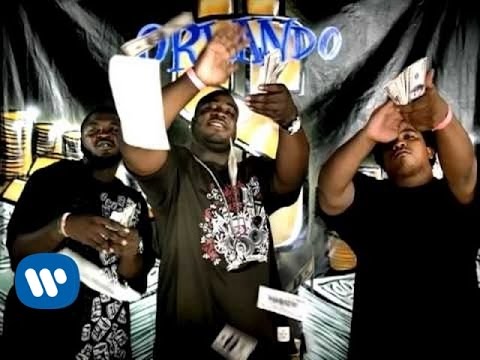
The music video received heavy rotation on BET and MTV's urban and hip-hop programming blocks, giving the song visual presence across the cable channels that still commanded significant audience attention in 2007, before YouTube and streaming had fully disrupted the music video distribution ecosystem. The visual presentation emphasized both Plies's tough-guy credibility and the romantic content of the song, creating a balanced image that served multiple audience constituencies simultaneously.
"The Real Testament" album was certified platinum by the RIAA, a result that Plies's subsequent releases would be measured against and that established a commercial baseline that the success of "Shawty" had made possible. The album's commercial performance was directly attributable to the single's chart dominance, as was standard for artist debut albums in the radio-driven commercial model that still governed urban music in 2007. Without "Shawty," the album would likely have found a regional audience; with it, the project achieved the kind of mainstream visibility that changed career trajectories.
The song's cultural impact extended beyond its chart run through its contribution to the ongoing normalization of T-Pain's autotune approach. By 2007, T-Pain's presence on a track was understood as a guarantee of a certain kind of accessible, melodically rich hook, and "Shawty" was one of the records that most effectively demonstrated the formula's commercial ceiling. Its success contributed to the broader industry embrace of autotune that would define the next several years of hip-hop production.
02 Song Meaning
Street Admiration and the Vocabulary of Southern Desire in "Shawty"
"Shawty" operates within one of hip-hop's most durable thematic traditions: the romantic tribute to a woman whose appearance and bearing have captured the narrator's full attention. The song takes this familiar framework and executes it through the specific vocabulary and sensibility of Southern rap, where the term "shawty," a regional colloquialism of uncertain etymology but clear affectionate intent, carries connotations of both romantic interest and social proximity. The person being addressed is not abstract or idealized; she is someone the narrator has encountered in a specific social setting and responded to with immediate, concrete desire.
Plies brings to the romantic content a directness that contrasts with the more metaphor-dependent approaches to desire that characterized much of mainstream R&B. His declarations are unambiguous and delivered without the layers of irony or qualification that more sophisticated urban music of the period sometimes deployed. This plainness is both a stylistic signature and a form of emotional sincerity, suggesting that the attraction being described is genuine and uncomplicated rather than performative or strategic.
T-Pain's contribution fundamentally shapes the emotional register of the song through his melodic hooks, which transform what might have been a hard-edged rap record into something that functions simultaneously as urban club music and pop crossover material. His vocal treatment gives the romantic content a warmth and accessibility that Plies's rap delivery alone could not provide, and this combination, toughness and melody, street credibility and pop palatability, is precisely what made the formula so commercially effective in the mid-2000s.
The song's emotional core is admiration expressed through confident pursuit. The narrator is not uncertain or tentative in his interest; he knows what he wants and he states it with the kind of self-assurance that was central to the masculine presentation of Southern rap in this period. But the track is not aggressive or demanding in its pursuit; it retains a playfulness and a sense of mutual pleasure that gives the romantic scenario a more lighthearted quality than Plies's more serious street content might suggest.
The word "shawty" itself carries cultural weight that contributes to the song's meaning beyond its surface content. As a Southern regional term that had spread into mainstream urban usage through hip-hop's cultural influence, it positioned the song's romantic scenario within a specific geographic and social context even as it crossed over into general popular culture. For listeners who used the term naturally, the song's language felt like authentic communication; for those encountering it as an outside observer, it offered a window into a social vernacular that carried its own aesthetic appeal.
Within Plies's catalog, "Shawty" represents the commercial peak of his ability to balance street credibility with mainstream accessibility, a balance that subsequent releases would attempt to maintain with varying success. The song demonstrates that his particular combination of blunt directness and genuine warmth could translate into pop music success without requiring him to abandon the qualities that had built his regional following. This proof of concept shaped his approach to subsequent collaborations and singles throughout his career.
The song also documents T-Pain's moment of maximum commercial influence, capturing the autotune-driven melodicism that he had made central to popular music at its most widely embraced and most effectively deployed. The emotional experience of hearing "Shawty" is inseparable from the particular sound of T-Pain's processed vocals, and the song remains a defining artifact of that specific sonic moment in popular music history. For listeners who were present for the song's original chart run, it carries the particular nostalgia of music that was genuinely everywhere for a concentrated period, woven into the soundscape of a specific cultural moment.
→ More from Plies Featuring T-Pain
View all Plies Featuring T-Pain hits →



→ More from the 2000s File
View all 2000s hits →




Keep digging