The 2000s File Feature
She Loves Me Not
She Loves Me Not by Papa Roach The summer of 2002 still belonged, in large part, to the heavy, angst-soaked sound of nu-metal and post-grunge, the genre that…
01 The Story
"She Loves Me Not" by Papa Roach
The summer of 2002 still belonged, in large part, to the heavy, angst-soaked sound of nu-metal and post-grunge, the genre that had soundtracked teenage frustration since the turn of the decade. Papa Roach had been among its breakout stars, and "She Loves Me Not" arrived as the sound of a band trying to prove they were more than a one-album phenomenon.
The Difficult Second Act
Papa Roach had exploded onto the scene with a debut that turned them into household names, riding one of the defining angst anthems of the era. The pressure to follow it up was immense. "She Loves Me Not" was a key single from their album Lovehatetragedy, a record where the band consciously moved away from the rap-rock hybrid that made them famous toward a more straightforward, hard-driving rock sound. It was a calculated risk, a bid to show growth rather than simply repeat the formula that had worked the first time.
A Harder Edge
The song trades some of the band's earlier hip-hop influence for raw, churning guitars and frontman Jacoby Shaddix's full-throated delivery. The result is taut and aggressive, built around a tense push-and-pull dynamic that mirrors the emotional confusion in its title. There is a restless energy to it, the sound of a relationship caught in maddening uncertainty. The track showcased the band's heavier, more guitar-focused direction, a deliberate step toward becoming a rock band with staying power rather than a passing trend.
The Chart Run
On the Billboard Hot 100, "She Loves Me Not" debuted at its peak. It entered on July 20, 2002, at number 76, which also stood as its peak position of number 76, and it held a place on the chart for twelve weeks. As with many rock singles of the era, its modest Hot 100 showing understated its real impact; the song performed considerably better on the rock and alternative airplay charts, where Papa Roach's core audience lived and where it became a familiar presence.
Cementing the Catalog
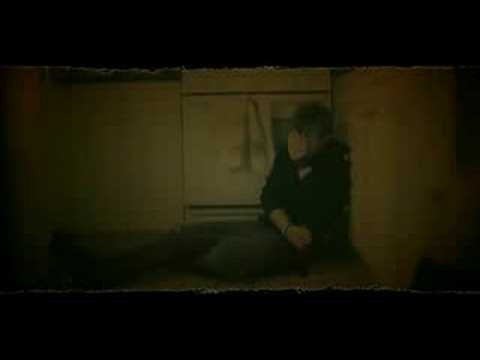
The song helped Papa Roach do the hard thing: survive past their breakthrough and build a lasting career. Its video has collected more than 53 million YouTube views, a sign that the track remains a touchstone for fans of early-2000s rock. While it never reached the cultural ubiquity of their biggest hit, it proved the band had more than one gear and could evolve without losing their edge, a crucial step in a genre that chewed up flash-in-the-pan acts.
Surviving the Nu-Metal Crash
The timing of the album was both brave and perilous. The nu-metal wave that had carried so many bands to stardom was already showing signs of strain, and audiences were beginning to tire of the rap-rock formula that had defined the previous few years. Many of Papa Roach's peers would not survive the coming shift in tastes. By stepping away from that sound toward a more classic, guitar-driven rock identity, the band was placing a bet on their own longevity rather than clinging to a fading trend. It was not a frictionless transition, and some early fans grumbled, but the move ultimately positioned them to endure long after the genre's commercial peak had passed. "She Loves Me Not" was an early sign of that adaptability, the sound of a band determined not to vanish with the wave that made them.
Raw and Restless
The song still hits with the coiled tension of its era, all frustration and forward drive. Press play and feel the exact moment when a band fought to prove it deserved to stick around for the long haul.
"She Loves Me Not" — Papa Roach's singular moment on the 2000s charts.
02 Song Meaning
The Meaning Behind "She Loves Me Not"
"She Loves Me Not" is a song about the agony of uncertain love, that maddening place where you cannot tell whether someone wants you or not. The title borrows the old flower-petal game, and the whole song lives in the anxious back-and-forth that game represents.
The Torture of Not Knowing
At its core, the lyric captures the emotional whiplash of a relationship full of mixed signals. The song dwells in confusion and frustration, the exhausting cycle of hope and disappointment that comes from loving someone whose feelings keep shifting. That uncertainty is the real subject, more than the relationship itself. It is about the toll of never knowing where you stand.
Frustration as Fuel
The aggressive, guitar-heavy sound is not incidental to the meaning; it embodies it. The song channels romantic confusion into raw, restless energy, turning anxiety into something loud and physical. That translation of emotional turmoil into hard rock was a hallmark of the era's music, which often gave teenage and young-adult frustration a cathartic outlet. The intensity of the music is the intensity of the feeling.
Push and Pull
The dynamic of the track, tense verses building into explosive release, mirrors the on-again, off-again nature of the relationship it describes. The structure itself dramatizes the instability at the song's heart. Just as the narrator cannot find solid footing with this person, the song keeps yanking the listener between restraint and eruption, never quite letting anyone settle.
The Anatomy of Mixed Signals
What the song captures so well is the specific helplessness of loving someone whose intentions keep changing. The narrator is not rejected outright, which would at least be clear, but kept in a limbo that is somehow worse. That ambiguity breeds a particular kind of obsessive frustration, the endless replaying of small moments in search of a definitive answer that never comes. The flower-petal imagery of the title nails it perfectly, a childish game of chance standing in for an adult's inability to read another person's heart. The song lives in that exhausting uncertainty rather than resolving it.
Why It Resonated
The song connected with listeners because almost everyone has been trapped in a relationship like this one, unsure and unsettled and unable to walk away. Papa Roach gave that universal frustration a loud, visceral voice. For young fans navigating the chaos of early relationships, the song validated their confusion and offered the release of hearing it screamed back at them, which is exactly the kind of catharsis the genre did best for its audience.
→ More from Papa Roach
View all Papa Roach hits →



→ More from the 2000s File
View all 2000s hits →




Keep digging