The 2000s File Feature
I Write Sins Not Tragedies
The Theatrical Breakthrough of I Write Sins Not Tragedies by Panic! At The Disco Very few debut singles ever announce a band s entire personality quite as vi…
01 The Story
The Theatrical Breakthrough of "I Write Sins Not Tragedies" by Panic! At The Disco
Very few debut singles ever announce a band's entire personality quite as vividly and instantly as this one did. "I Write Sins Not Tragedies" arrived in 2006 like a chaotic circus rolling unannounced into town, all wordy, tumbling verses, baroque musical flourishes, and a chorus engineered with surgical precision to lodge itself permanently inside your skull. It quickly made Panic! At The Disco one of the defining acts of the entire emo-pop wave that swept across the mid-2000s.
Young Upstarts From Las Vegas
The band first emerged from Las Vegas as wide-eyed teenagers, fronted by Brendon Urie's remarkably theatrical vocals and Ryan Ross's notably elaborate songwriting. Their debut album A Fever You Can't Sweat Out confidently blended pop-punk energy with insistent dance-floor rhythms and a clear literary fondness for long, ornate, almost absurd song titles. They had been signed to Decaydance Records, the label founded by Fall Out Boy's Pete Wentz, who personally championed the young group very early in their unlikely career.
A Sound Built on Spectacle
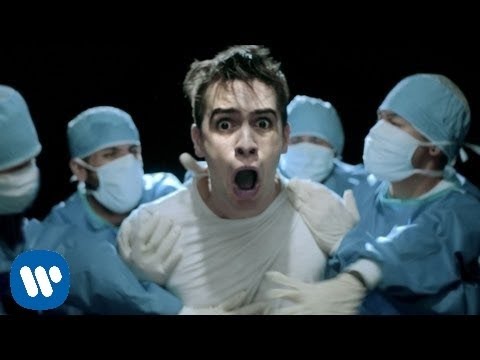
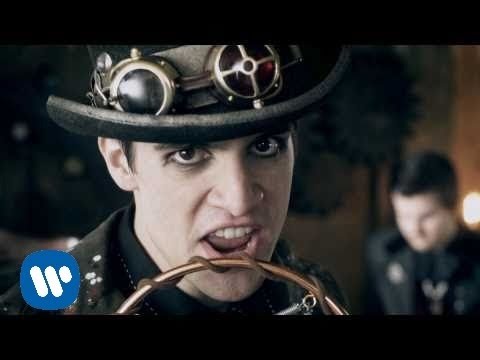
The single itself is a genuine maximalist delight from start to finish, packing dense, tongue-twisting lyrics into a propulsive, restless arrangement studded throughout with sweeping strings and sudden dynamic shifts. The famous chorus stands as the defining hook of an entire generation, delivered with an unmistakable mix of a knowing wink and a defiant snarl. The accompanying music video, set at a chaotic wedding gradually overrun by sinister carnival performers, doubled down hard on the band's evident flair for the dramatic and quickly became a true staple of music television rotation. That visual flamboyance, all velvet costumes and vaudeville theatrics, gave the song a second life beyond the radio, turning casual listeners into devoted fans who pored over every detail of the band's carefully constructed world.
A Long Climb Up the Hot 100
On the Billboard Hot 100 the single proved itself a remarkably patient grower rather than an instant smash. It debuted way down at number 98 on March 18, 2006, then climbed slowly and steadily over many long months on the sheer strength of relentless video play and persistent radio support. It eventually peaked at an impressive number 7 during the week of August 26, 2006, and posted a genuinely remarkable thirty-seven weeks on the chart across its entire extended run.
A Lasting Cult and Mainstream Hit
The song quickly became the absolute cornerstone of the band's lasting identity and a true generational anthem for the entire scene it so colorfully represented. It successfully bridged the gap between the scrappy underground emo world and the glossy pop mainstream, introducing a distinct theatrical sensibility that would echo loudly through the band's long subsequent career. Its enduring pull is plainly evident in a streaming tally now sitting comfortably past 441 million YouTube views.
Why It Still Demands a Sing-Along
Press play and then simply try, if you can, not to shout the chorus right back at the speakers. The song's heady mix of pure melodrama, sly wit, and an irresistible central melody remains every bit as infectious today as it was back in 2006. It perfectly captured a very specific cultural moment while simultaneously delivering a hook clearly built to outlast it by decades. For an entire generation of listeners, it is the unmistakable sound of their teenage years compressed into a single track. Years on, it still ignites crowds the instant that opening line lands, a testament to a hook that simply refuses to lose its grip.
"I Write Sins Not Tragedies" — Panic! At The Disco's singular moment on the 2000s charts.
02 Song Meaning
The Scandal and Theater of "I Write Sins Not Tragedies"
Behind its undeniably catchy chorus, "I Write Sins Not Tragedies" actually tells a small but sharp little drama. The song deliberately stages a wedding suddenly interrupted by scandal, using vivid, almost cinematic scene-setting to explore the linked ideas of betrayal, gossip, and the wide gap between outward appearance and ugly truth.
The Theme of a Wedding Gone Wrong
The lyrics immediately drop the listener right into the middle of a ceremony thrown into total chaos by a sudden revelation about the bride. The song dramatizes a single moment of public scandal, narrated entirely by an outside observer who watches the whole situation unravel before him. The famous, much-quoted chorus poses a pointed and slightly cruel question about basic manners and tact in the face of unfolding disaster.
Style as Substance
A large part of the song's lasting appeal lies squarely in its proud self-awareness and theatricality. The lyrics openly revel in clever wordplay and ornate literary flourish, treating a genuine personal catastrophe as rich raw material for clever, decorative storytelling. The title itself functions as a clear statement of artistic intent, slyly suggesting that the narrator far prefers sharp wit and provocation to any kind of genuine sympathy or comfort.
A Voice for Mid-2000s Drama
The single arrived precisely when emo and scene culture loudly prized emotional intensity, dark humor, and elaborate, careful self-presentation in equal measure. It cleverly captured a whole generation drawn equally to melodrama and to irony, mixing genuinely real feeling with a knowing, almost winking theatrical performance. For this song and its many imitators, the elaborate aesthetic was very nearly as much the message as the actual words themselves.
Why It Connected
Listeners everywhere embraced the song because it somehow made common gossip and ordinary heartbreak feel grand, important, and thoroughly entertaining all at once. The chorus is endlessly, infuriatingly quotable, and the vivid wedding imagery cleverly turned a private betrayal into a shared public spectacle for all to enjoy. It generously gave teenagers a stylish, theatrical way to channel and dramatize their own everyday dramas.
The Lasting Message
At its heart, the song works as a wry, knowing meditation on harsh judgment and the basic messiness of all human relationships. It pointedly refuses to offer any easy sympathy and instead simply invites you to sit back and watch the chaos unfold in real time, which is exactly why it remains such an enduring and endlessly quotable hit today. The drama never resolves, and that open ending is part of its strange, lasting charm.
→ More from Panic! At The Disco
View all Panic! At The Disco hits →

→ More from the 2000s File
View all 2000s hits →




Keep digging