The 2000s File Feature
Okay
Okay — Nivea Featuring Lil Jon YoungBloodZ (2004) In the summer of 2004, crunk music had graduated from regional Atlanta nightclubs to mainstream radio playl…
01 The Story
Okay — Nivea Featuring Lil Jon & YoungBloodZ (2004)
In the summer of 2004, crunk music had graduated from regional Atlanta nightclubs to mainstream radio playlists, and Nivea's "Okay" arrived as one of the most commercially visible examples of that transition. The track paired the Atlanta-born R&B singer with two of the movement's defining acts, Lil Jon and YoungBloodZ, at the precise moment when crunk's call-and-response energy was converting pop audiences who had never set foot in a Southern club.
Nivea, born Nivea Amey in Atlanta on March 24, 1982, had already established herself as a promising R&B voice through her 2002 debut album and the modest success of "Don't Mess with My Man." Her sophomore album, Complicated, was released in September 2004 through Jive Records, and "Okay" was chosen as a lead promotional single partly because of the commercial leverage that Lil Jon's brand name carried at that moment. Lil Jon had, by mid-2004, become one of the most sought-after producers in American popular music, riding the crunk wave that Usher's "Yeah!" had brought to a mainstream peak earlier that year.
YoungBloodZ, the Atlanta duo of Sean "J-Bo" Blalock and Marques "Dank" Ventura, contributed guest verses that fit naturally within the call-and-response structure that defined their own work on tracks like "Damn!" The production retained the thick, bass-heavy 808 programming and chanted hooks that were Lil Jon's trademark, while leaving enough melodic space for Nivea's vocals to register as something more than a vehicle for the featured acts.
The single charted on the Billboard Hot 100 in 2004, benefiting from the same radio programming appetite that had made crunk-pop crossovers commercially viable. Radio programmers at urban and rhythmic outlets were eager for material that could capture the energy of club culture while remaining accessible enough for afternoon drive slots. "Okay" fit that template precisely: the verses carried the aggression that crunk audiences expected, while the chorus softened the impact enough to be programmed without alienation.
The timing of the release placed it within one of the most competitive summers in recent pop memory. Usher's Confessions had debuted at number one earlier in 2004 and continued to generate singles throughout the year, while acts like Ciara and Destiny's Child were also releasing material that competed for the same radio slots. "Okay" had to carve its position against that backdrop, and its connection to Lil Jon's then-dominant brand proved to be a meaningful competitive advantage.
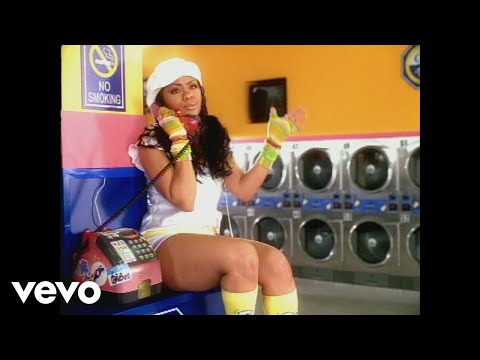
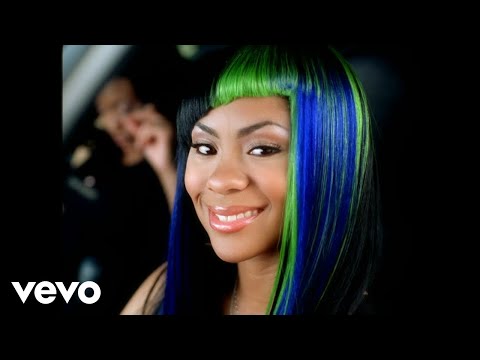
Jive Records positioned the track to take advantage of multiple formats simultaneously. The label had extensive experience navigating the relationship between urban radio, rhythmic crossover, and pop radio formats, and "Okay" received promotional pushes across all three. Music video rotation on BET and MTV2 provided visual exposure that reinforced the radio campaign, with the clip leaning into the energy and aesthetics of Atlanta's nightlife scene.
Critical reception was generally positive within the R&B and hip-hop press, which recognized the track as a competent execution of a winning formula. Reviewers noted that Nivea held her own alongside her more prominent collaborators, a point that was not always guaranteed in featured-artist dynamics where the supporting acts sometimes overwhelmed the billed headliner. The production's energy translated well to live performance contexts, and Nivea incorporated the track into promotional appearances tied to the Complicated album cycle.
The crunk moment that "Okay" inhabited proved to be relatively brief in commercial terms. By 2006 and 2007, snap music and then trap production were already beginning to shift Atlanta's sonic influence in new directions. But in 2004, the combination of Nivea's melodic sensibility with Lil Jon's production authority and the YoungBloodZ's established credibility in the Southern rap world made "Okay" a period-specific document of a genuinely singular moment in American popular music. The track stands as evidence of how thoroughly Atlanta had come to dominate the national conversation about Black popular music by the middle of the decade.
Nivea's career continued after "Okay," though she never fully converted the single's exposure into a sustained commercial breakthrough. Personal challenges and label transitions complicated her trajectory in subsequent years. However, "Okay" remains the most widely recognized single associated with her name, largely because the collaborators she enlisted were themselves at career peaks when the track was recorded and released.
02 Song Meaning
Themes and Meaning in "Okay" by Nivea Featuring Lil Jon & YoungBloodZ
"Okay" operates within a well-defined tradition of club-oriented R&B that uses romantic confidence as its emotional engine. The song positions its narrator as someone who has assessed a romantic situation, weighed her options, and arrived at a place of uncomplicated affirmation. The word "okay" in this context functions less as passive agreement and more as assertive permission, a declaration that the narrator is ready to engage on her own terms and in her own time.
The crunk production framework that surrounds Nivea's vocal performance shapes how the song's themes register emotionally. Where a traditional slow jam might locate romantic confidence in vulnerability or longing, "Okay" places it inside an energy system built around communal celebration and physical response. The listener is meant to feel the narrator's readiness as something kinetic and immediate rather than reflective or introspective. This is a central feature of crunk-influenced R&B from this period: emotional content is expressed through physical energy rather than melodic restraint.
The YoungBloodZ verses introduce a masculine counterpoint that frames the narrator's perspective through the lens of mutual desire. This call-and-response architecture, where a woman's voice and a man's voice trade perspectives within the same track, was a recurring structural device in early-2000s R&B. It allowed a song to present romance as a negotiated exchange rather than a one-sided declaration, which in turn made the material feel more dramatically complete. Nivea's willingness to hold her own within this structure was noted by reviewers who observed that she avoided being reduced to a passive object within the dynamic.
The track's lyrical register is deliberately uncomplicated. The emotional situation it describes is not one of conflict, heartbreak, or ambivalence. The narrator knows what she wants, the object of her attention reciprocates, and the song celebrates that alignment without introducing obstacles or complications. This simplicity was part of its appeal and part of its function: club music in the crunk era was not primarily a vehicle for emotional complexity but for communal energy, and "Okay" serves that function efficiently.
Within Nivea's catalog, the song represented a deliberate tonal shift toward harder-edged material. Her debut work had positioned her as a softer, more melodically conventional R&B singer. By recording with Lil Jon and YoungBloodZ, she was signaling a willingness to inhabit territory that was more aggressive and more physically oriented. This repositioning reflected a broader trend among R&B women in the mid-2000s who were being encouraged by labels and producers to engage more directly with hip-hop production aesthetics as a strategy for reaching younger audiences.
The cultural meaning of the track is also partly a function of its collaborators' symbolic weight. Lil Jon by 2004 had become a figure of almost cartoonish exuberance, and his presence on a record signaled to listeners that they were being invited into a specific kind of party. This signaling function meant that "Okay" communicated its intent before a single lyric was absorbed. The production itself told the audience what kind of experience to expect, and the lyrics then delivered on that expectation.
Taken together, the song's themes of romantic confidence, physical readiness, and uncomplicated mutual desire made it a natural fit for the dance floors and radio environments where crunk music was thriving in 2004. Its meaning is inseparable from the specific cultural moment it was made for, which gives it a kind of temporal precision that more emotionally complex material sometimes lacks.
→ More from Nivea Featuring Lil Jon & YoungBloodZ
View all Nivea Featuring Lil Jon & YoungBloodZ hits →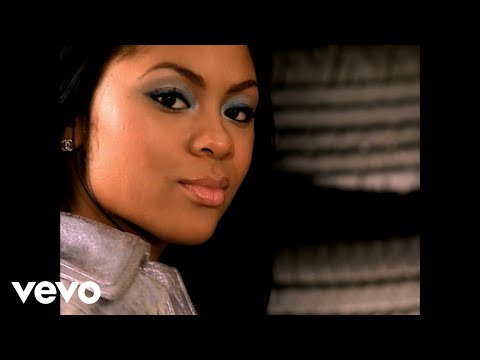
→ More from the 2000s File
View all 2000s hits →

Keep digging