The 2000s File Feature
I Can
I Can by Nas Hip-hop has always had the power to inspire as well as entertain, and few songs harnessed that power as directly as Nas's uplifting anthem for y…
01 The Story
"I Can" by Nas
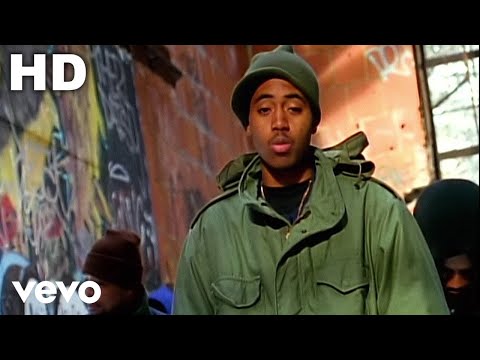
Hip-hop has always had the power to inspire as well as entertain, and few songs harnessed that power as directly as Nas's uplifting anthem for young people. In 2003, the legendary rapper delivered a message of empowerment and hope aimed squarely at children, encouraging them to dream big and avoid the pitfalls that could derail their futures. "I Can" became one of his most beloved and widely embraced songs, a positive, motivational track from one of hip-hop's greatest lyricists.
A Hip-Hop Legend
By 2003, Nas had long been recognized as one of the greatest lyricists in hip-hop history, an artist whose debut album was considered a landmark and whose poetic skill set a standard for the genre. He had built a celebrated career on vivid storytelling and sharp social commentary. This song came from his album God's Son, a record that found him in a reflective, mature mode. With this track, one of the genre's most respected voices turned his talent toward inspiring the next generation, a powerful use of his platform.
A Message for the Young
Musically, "I Can" is an uplifting, accessible hip-hop track built around a recognizable classical piano melody and a children's chorus. The production samples a famous piece of classical music, giving the song an instantly memorable hook, while the chorus of young voices reinforces its message of possibility. The song's central message encourages children to believe in themselves and to work hard toward their dreams. It is hip-hop with a clear, positive purpose, designed to inspire and uplift young listeners.
A Top 15 Hit
The single was a substantial success. It entered the Billboard Hot 100 on March 1, 2003, at number 46, and it climbed steadily as audiences embraced its positive message. The song moved up the chart over the following weeks toward its high point. It peaked at number 12 on May 10, 2003, a strong showing, and it proved durable, spending 20 weeks on the chart. That success reflected the broad appeal of its uplifting, empowering message.
Inspiration as a Goal
What set the song apart was its deliberate focus on inspiration and empowerment. It encouraged young people to dream big, to avoid destructive paths, and to believe in their own potential. In a genre sometimes criticized for negative content, Nas used his platform to deliver a message of hope and possibility. That positive purpose made the song stand out and earned it widespread affection.
Music in the Classroom
The song's wholesome, motivational message gave it a life beyond radio. It became a song embraced in schools and by parents, valued for its positive influence on children. That role as an inspirational tool gave the song a significance beyond its chart performance, embedding it in the lives of young people who took its message to heart.
A Different Side of a Master
For an artist celebrated for his vivid, sometimes hard-edged storytelling, this song revealed a different and equally important side of Nas. Here was one of hip-hop's most respected lyricists turning his formidable gifts toward nurturing and guidance rather than gritty realism. That versatility spoke to his depth as an artist, his ability to wield his talent for many purposes. The song showed that a great rapper could be a positive force as well as a chronicler of harsh realities, expanding the picture of what Nas could do. It demonstrated that the same skill that made him a master storyteller could also make him a powerful and effective teacher.
An Uplifting Legacy
In the celebrated career of Nas, this song stands as one of his most beloved and widely embraced records. It demonstrated his ability to inspire as well as to dazzle with his lyricism. The song remains a powerful example of hip-hop's potential to uplift, a motivational anthem for young people delivered by one of the genre's greatest voices.
Press play and let that uplifting message ring out, and you will hear one of hip-hop's greatest inspiring the next generation.
"I Can" — Nas's singular moment on the 2000s charts.
02 Song Meaning
The Meaning of "I Can" by Nas
"I Can" is an inspirational anthem aimed at young people, a message of empowerment encouraging them to believe in themselves, work hard, and avoid the pitfalls that could derail their futures. It celebrates the potential within every child to achieve their dreams.
Believe in Yourself
The central message is the encouragement to believe in your own potential. The song's title and refrain affirm that young people can achieve their dreams if they believe in themselves. It instills confidence and self-belief, the foundation for any achievement. That message of self-belief is the heart of the song.
Hard Work and Dreams
Beneath the encouragement runs an emphasis on effort. The song teaches that dreams require hard work and dedication. It connects achievement to perseverance, encouraging young people to put in the effort their goals demand. That practical wisdom gives the song a grounded, motivational quality.
Avoiding the Pitfalls
The song also warns young people away from destructive paths. It cautions against the dangers that can derail a young life, urging children to make wise choices. That protective message gives the song a sense of guidance and care, the voice of an elder looking out for the young.
The Power of Possibility
Running through the song is a celebration of possibility, the idea that any child can grow up to achieve great things. It opens up a vision of a hopeful future, expanding young listeners' sense of what is possible. That message of possibility is deeply empowering.
Hip-Hop With Purpose
The song represents hip-hop used as a force for good, a genre's power harnessed for inspiration. It demonstrates that hip-hop can uplift and educate, not just entertain. That positive purpose gives the song a significance within the genre and beyond, a reminder of the constructive role music can play in young lives.
Planting Seeds for the Future
The song's focus on children gives it a forward-looking, generational quality. By directing his message to the young, Nas was investing in the future, planting seeds of confidence and ambition in listeners who had their whole lives ahead of them. The song treats the next generation as worthy of care and encouragement, taking seriously the responsibility of guiding young people toward better futures. That generational vision elevates the song beyond a simple motivational track into something closer to a gift passed from one generation to the next, an artist using his platform to shape the dreams and choices of the children who looked up to him.
Why It Resonated
The song connected because its message of empowerment and hope is universal and deeply needed. It gave young listeners an anthem of self-belief and possibility, delivered by a respected voice. That positive, inspiring message, paired with a memorable melody, is exactly what made the song so widely embraced and enduring.
→ More from Nas
View all Nas hits →



→ More from the 2000s File
View all 2000s hits →




Keep digging