The 2000s File Feature
Daddy Won't Sell The Farm
Daddy Won't Sell The Farm by Montgomery Gentry Picture rural America at the turn of the millennium, where small family farms were vanishing into corporate ac…
01 The Story
"Daddy Won't Sell The Farm" by Montgomery Gentry
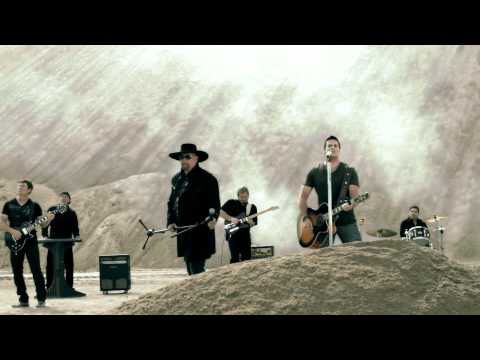
Picture rural America at the turn of the millennium, where small family farms were vanishing into corporate acreage and a way of life felt like it was slipping through people's fingers. Into that anxious moment rode Montgomery Gentry, a Kentucky duo with mud on their boots and rock and roll in their blood, planting a flag for the people who refused to let go. Their first single arrived swinging, a defiant working-class anthem for everyone who had ever been told to give up the land their family had worked for generations.
Two Kentucky Boys Make Their Entrance
Eddie Montgomery and Troy Gentry had spent years grinding it out in the bars and honky-tonks of Kentucky before they got their shot at a national audience. By 2000 they were the new faces of a grittier, rowdier strain of country music, men who looked and sounded like the blue-collar crowd they sang for. This was their debut single, the calling card that introduced their rough-edged, Southern-rock-flavored sound to country radio. It launched their major-label career and set the template for everything that followed, a sound built on swagger, loyalty, and pride in humble roots.
A Sound With Dirt Under Its Nails
Musically, the song roars with the kind of guitar-driven energy that set Montgomery Gentry apart from the polished pop-country acts crowding the charts at the time. There is grit in the arrangement and grit in the delivery, with Eddie Montgomery's gravelly voice trading off against Troy Gentry's smoother tone. The track stomps along on a rock and roll backbone, refusing to be tamed into something slick. It carried the raw, rebellious spirit of Southern rock into a mainstream country setting, which is exactly what made the duo feel fresh and a little dangerous to listeners hungry for something with teeth.
Its Run on the Charts
The single made its way onto the Billboard Hot 100 on March 4, 2000, entering at number 87. It climbed gradually over the following weeks, inching upward to its high point. The song peaked at number 79 on March 25, 2000, and spent 6 weeks on the chart. While those crossover numbers were modest, the song performed far more strongly within the country format, where it established the duo as a force and built the foundation for a string of hits that would follow throughout the decade.
Catching a National Mood
Part of what made the debut land so squarely was its timing. The late 1990s and early 2000s saw country music grappling with how to balance its traditional, rural roots against the pull of pop crossover and polished production. Montgomery Gentry came down firmly on the side of grit and authenticity, and audiences hungry for that honesty embraced them. The song arrived just as a segment of country fans was looking for music that reflected their actual lives rather than a glossy fantasy of them. By singing about a struggle so many families understood firsthand, the duo positioned themselves as voices for the heartland, men who would not water down their message to chase the charts. That stance earned them a loyalty that lasted for years.
A Foundation Stone
In the larger story of Montgomery Gentry's career, this debut stands as the cornerstone of everything they became. It announced a partnership that would endure for years and would produce a long run of country hits celebrating small-town life, hard work, and stubborn pride. The duo became beloved standard-bearers for a certain kind of unapologetic, heartland country, and it all started here, with a song about a family refusing to sell what mattered most. The themes they staked out in this first single would echo through their entire catalog, song after song returning to the same wellspring of pride, loyalty, and devotion to home.
Press play and let those defiant guitars ring out, and you will hear two Kentucky boys planting their flag for the first time.
"Daddy Won't Sell The Farm" — Montgomery Gentry's singular moment on the 2000s charts.
02 Song Meaning
The Meaning of "Daddy Won't Sell The Farm" by Montgomery Gentry
"Daddy Won't Sell The Farm" is a song about standing your ground, a tribute to the stubborn dignity of a man who refuses to surrender the land and the life his family has built. It turns a personal act of defiance into a broader statement about heritage, pride, and the value of holding on to what matters.
Holding the Line Against Change
The central theme is resistance to the forces that would sweep away a traditional way of life. The lyrics paint a portrait of a father who will not be bought out, who will not let developers or hard times pry the farm from his hands. The song celebrates that refusal as a kind of quiet heroism, the courage to stay rooted when everything around you is pushing you to leave. It speaks for everyone who has watched the familiar world erode and chosen to dig in rather than walk away.
Pride in Humble Roots
Beneath the defiance lies a deep pride in working-class, rural identity. The farm is more than property; it is a symbol of family, labor, and belonging. The song honors the dignity of working the land and the bond between generations who have done so. It rejects the idea that progress means abandoning your origins, insisting instead that there is honor in staying true to where you come from.
The Rural Anxiety of 2000
The song landed at a moment when the small family farm was genuinely endangered, squeezed by economic pressures and the spread of corporate agriculture. It gave voice to a real fear coursing through rural America, the worry that an entire way of life was disappearing. That timeliness gave the anthem an edge of urgency, turning it into more than a story about one family.
Generations and Legacy
There is also a quiet theme of inheritance running through the song. The farm represents not just the present family but the generations that worked it before and the ones expected to carry it forward. To sell would be to break that chain, to betray the ancestors who cleared and tended the land and to rob the children of their birthright. The song treats the farm as a sacred trust handed down through time, something larger than any single owner's convenience. That sense of legacy raises the stakes of the father's refusal, turning a financial decision into a moral one. It is about honoring the past as much as protecting the future.
Why It Connected
The song resonated because it spoke directly to listeners who felt overlooked and under siege. It told them their stubbornness was a virtue and their roots were worth defending. For Montgomery Gentry's blue-collar audience, it was an anthem of pride and resistance, a song that put their values front and center and refused to apologize for them. It gave a voice to people who often felt the wider culture had stopped listening, and that recognition is part of why the duo earned such fierce devotion from their fans.
→ More from Montgomery Gentry
View all Montgomery Gentry hits →
→ More from the 2000s File
View all 2000s hits →



Keep digging