The 2000s File Feature
Everytime Tha Beat Drop
Everytime Tha Beat Drop — Monica Featuring Dem Franchize Boyz (2006) Monica Denise Arnold had already weathered one of the more turbulent careers in 1990s an…
01 The Story
Everytime Tha Beat Drop — Monica Featuring Dem Franchize Boyz (2006)
Monica Denise Arnold had already weathered one of the more turbulent careers in 1990s and early 2000s R&B when she pivoted toward the booming crunk-influenced Southern sound that was dominating urban radio in the mid-2000s. The collaboration with Atlanta rap group Dem Franchize Boyz on "Everytime Tha Beat Drop" arrived at a moment when the partnership between mainstream R&B vocalists and crunk acts was commercially proven, thanks in large part to the cross-genre success of artists like Ciara, Lil Jon, and Usher in the years immediately preceding this release.
Dem Franchize Boyz had built their reputation on a string of Atlanta street anthems and had achieved mainstream recognition with tracks like "White Tee" and the monster hit "Lean Wit It, Rock Wit It," which cracked the upper reaches of the Billboard Hot 100 in 2006. Pairing the group with Monica created a commercial proposition that blended her established R&B credibility with their regional street appeal. The track was produced to fit the Atlanta club atmosphere that was defining mainstream hip-hop and R&B at that time, featuring the kind of driving percussion and call-and-response structure that worked well on both urban radio and in nightclub settings.
"Everytime Tha Beat Drop" was released in 2006 as a single from Monica's album The Makings of Me, which was released on J Records the same year. The album marked a deliberate repositioning for Monica, who had experienced commercial difficulties with her previous effort and was working to reconnect with a younger audience that had grown up on Southern rap and crunk. The single served as one of the album's most aggressive commercial overtures toward that demographic.
On the Billboard charts, the single demonstrated solid performance on the urban and hip-hop formats. It registered on the Billboard Hot 100 and performed particularly well on the Hot R&B/Hip-Hop Songs chart, where it climbed into respectable territory given the competitive landscape of that era. Radio airplay on urban stations was substantial, with program directors responding to the track's dance-floor energy and the novelty of Monica performing alongside one of Atlanta's most recognizable rap acts of that period.
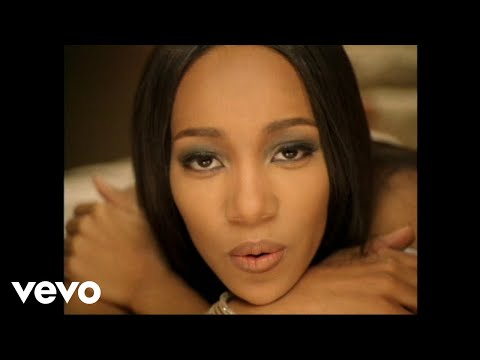
The music video for the song leaned fully into the club aesthetic, featuring choreography built around the kind of dance movements Dem Franchize Boyz had popularized. Monica's performance in the video showed a more playful, physically engaged side of the artist, departing from the more emotionally weighted ballad work that had made her famous earlier in her career. The video received rotation on BET and MTV2, which helped sustain the single's commercial run through the back half of 2006.
Critically, the track was received as a competent entry in the mid-2000s crunk R&B wave rather than a groundbreaking artistic statement. Reviewers acknowledged that Monica had successfully adapted to the prevailing sounds of her era without abandoning her vocal identity. The fact that she could hold her own alongside the Dem Franchize Boyz collective, whose appeal was rooted in a more masculine, street-oriented energy, demonstrated her versatility as a performer.
The Makings of Me itself performed modestly on the Billboard 200, entering the chart and generating enough activity to keep Monica in the commercial conversation, though it did not reach the commercial heights of her earlier albums like The Boy Is Mine (1998) or After the Storm (2003). "Everytime Tha Beat Drop" functioned as the album's most commercially oriented single, designed to pull listeners in before they encountered the more traditional R&B material that formed the album's core.
In the broader context of Monica's career, the collaboration with Dem Franchize Boyz represents an interesting experiment in genre blending that was common in the mid-2000s Southern music scene. The crunk and snap music movements coming out of Atlanta during this period were reshaping what mainstream radio expected from both rap and R&B artists, and Monica's willingness to engage with those sounds demonstrated a commercial awareness that would serve her well in the years ahead. The track remains a document of a specific sonic moment in Atlanta music history, when the city's influence on American popular music was arguably at its absolute peak.
The song also benefited from the concentrated promotional push that J Records, then operating as a prominent Sony BMG imprint, was able to mount for its roster artists. Radio promotion was coordinated across urban, rhythmic, and crossover formats, and the single received enough mainstream pop radio attention to keep it visible beyond its core audience. This cross-format strategy was characteristic of how major labels approached R&B singles during this era, seeking to maximize commercial exposure by pitching tracks to multiple radio formats simultaneously.
Dem Franchize Boyz's contribution to the track reflected their status at that moment as reliable hitmakers in the Atlanta scene, even as their own commercial peak was beginning to level off following the enormous success of "Lean Wit It, Rock Wit It." Their participation lent the song street credibility that a solo Monica recording in the same style would not have carried as convincingly, and the collaboration was mutually beneficial in terms of visibility for both parties.
02 Song Meaning
What "Everytime Tha Beat Drop" Means
"Everytime Tha Beat Drop" operates as a celebration of the physical and emotional response to music in a communal setting. The song's central subject is the dance floor itself, treated as a space where everyday stress and social anxiety dissolve the moment the rhythm takes hold. Monica's vocal performance establishes a character who is fully liberated by the sonic environment around her, and the Dem Franchize Boyz contributions reinforce this theme from a more streetwise, boastful angle, framing their own presence in the club as something that enhances the experience for everyone around them.
The emotional register of the track is unambiguously celebratory. Unlike much of Monica's catalog, which draws heavily on romantic tension, heartbreak, and the complex emotional terrain of long-term relationships, this song occupies a simpler, more euphoric space. It functions as a release valve, an invitation to set aside complexity in favor of pure physical enjoyment. In this sense it represents a genuinely different emotional mode for Monica as a performer, one that she did not often inhabit but clearly had the range to inhabit convincingly.
The song's lyrical subject matter centers on the irresistible pull of music as a physical force, the idea that a particular beat has the power to compel movement and transform a person's state of mind. This is a well-worn theme in dance music broadly, but the track gives it a Southern hip-hop inflection that connects it specifically to the Atlanta club culture of the mid-2000s. The beat described in the song is not abstract; it is the kind of driving, bass-heavy Atlanta production that listeners would have recognized immediately from their own experiences in clubs and at parties.
Monica's vocal approach on the track communicates genuine pleasure rather than the more guarded, emotionally controlled delivery she typically brought to ballad work. Her performance here is looser, more playful, and more physically expressive, which aligns with the song's thematic content. The choice to engage with Dem Franchize Boyz's more aggressive, boastful energy rather than tone it down reflects an artistic decision to fully commit to the genre conventions of crunk R&B rather than simply borrowing its production aesthetics while maintaining a pop distance.
For Monica's catalog, the track is significant as a document of her ability to adapt without losing her vocal identity. R&B vocalists who attempted to incorporate crunk elements in this period sometimes sounded uncomfortable or inauthentic, but Monica's Southern roots gave her a natural connection to the Atlanta scene that made the collaboration feel genuine. Her credibility in the Southern market, built over years of working with Atlanta producers and artists, was an asset that made "Everytime Tha Beat Drop" land differently than a similar attempt by an artist without that regional foundation would have.
The Dem Franchize Boyz verses add a layer of masculine bravado to the song that creates an interesting gender dynamic. Their contributions frame the dance floor as a space of competitive display and social performance, which complements Monica's more experiential, sensation-focused perspective. Together, the song presents the club as a space where different motivations and emotional states can coexist within a shared experience organized around the music itself.
In the broader context of mid-2000s R&B, the song's meaning extends beyond its literal subject matter. It represents the moment when the boundary between mainstream R&B and Southern hip-hop had become almost entirely permeable, when the same record could credibly belong to both genres simultaneously. For listeners at the time, "Everytime Tha Beat Drop" was both a reflection of their current musical environment and a celebration of it, a song about loving the exact kind of music they were already consuming. That self-referential quality gave it an immediacy that helped it connect with its target audience in a direct and satisfying way.
→ More from Monica Featuring Dem Franchize Boyz
View all Monica Featuring Dem Franchize Boyz hits →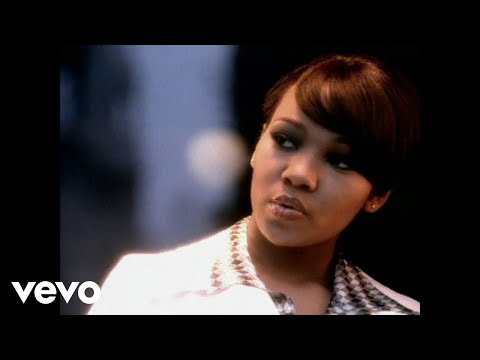



→ More from the 2000s File
View all 2000s hits →

Keep digging