The 2000s File Feature
Work That
Work That — Mary J. Blige (2007) Mary J. Blige arrived at her eighth studio album, Growing Pains , from a position of artistic and commercial vindication. Re…
01 The Story
Work That — Mary J. Blige (2007)
Mary J. Blige arrived at her eighth studio album, Growing Pains, from a position of artistic and commercial vindication. Released in December 2007 through Matriarch Records and Geffen Records, the album followed the career-defining The Breakthrough (2005), which had generated multiple Grammy Awards, sustained commercial success, and a critical reevaluation that positioned Blige not merely as an R&B star but as one of American music's most compelling and emotionally authentic voices. "Work That" was among the album's lead singles and became one of its most commercially successful tracks.
"Work That" was produced by Bryan-Michael Cox and Jermaine Dupri, two of the most commercially reliable producers in the R&B and hip-hop landscape of the 2000s. Cox and Dupri had developed a production partnership that was responsible for some of the decade's biggest R&B records, and their work on "Work That" reflected their skill at creating tracks that balanced contemporary production values with the kind of organic soul feeling that Blige required. The production is upbeat and energetic, built on a groove that invited movement, and it gave Blige's voice the kind of buoyant foundation that allowed her to communicate joy and self-affirmation without the emotional weight that had characterized much of her earlier catalog.
The shift in emotional register from Blige's signature material was deliberate and meaningful. Her career had been built substantially on songs that explored pain, dysfunction, addiction, and the difficulty of love, and she had become celebrated for her capacity to channel personal struggle into powerful musical performance. By the time of The Breakthrough and then Growing Pains, however, Blige had entered a more stable period of her personal life, and her music reflected that transition. "Work That" is essentially a celebration of self-acceptance and personal strength, a declaration from a woman who has come through difficulty and arrived at a place of genuine confidence and self-possession.
The song's chart performance was strong. It received substantial radio airplay across adult R&B and urban contemporary formats, and it contributed to Growing Pains becoming another major commercial success in Blige's catalog. The album debuted at number two on the Billboard 200 and reached the top of the Billboard Top R&B/Hip-Hop Albums chart, confirming that Blige's commercial momentum had been sustained from the extraordinary peak of The Breakthrough era.
Blige's vocal performance on "Work That" is notable for its assurance. She had always been one of R&B's most technically capable and emotionally expressive singers, but in the context of a song built around celebration rather than struggle, her voice takes on a quality of ease that is itself moving: the sound of a singer who has earned the right to sing a happy song and knows it. The performance is not without emotional complexity, but its primary register is joyful, and that joy feels hard-won rather than naive.
The lyrical content of "Work That" engages with themes of self-presentation and self-affirmation in a cultural context where Black women's beauty and style had historically been undervalued or erased by mainstream media standards. Blige's declaration of her own worth and attractiveness was a political act as much as a personal one, situated within a long tradition of Black female artists asserting their presence and value in the face of systemic diminishment. The song belongs to a tradition that includes Aretha Franklin's work, Beyoncé's self-celebratory material, and the broader project of Black feminist expression in popular music.
The video for "Work That" reinforced the song's themes of confident self-presentation, showing Blige in a variety of settings that emphasized glamour, movement, and the particular kind of authority that comes from a woman who knows who she is and is comfortable making that knowledge visible. The visual and musical elements together created a coherent artistic statement that resonated strongly with Blige's core audience while also reaching beyond it to listeners who might not have followed her through the more emotionally complex earlier phases of her career.
In the broader context of 2007 R&B, "Work That" was part of a wave of self-affirmation tracks by Black women artists that reflected a growing confidence in the genre's capacity to engage with questions of identity and worth on explicitly political as well as personal terms. Blige's position as one of the genre's most respected figures gave this message additional weight: when she declared her own worth, she was speaking not just for herself but as a representative voice for a tradition and a community.
02 Song Meaning
The Meaning of Work That by Mary J. Blige
"Work That" is a song about the performance of selfhood as an act of resistance and affirmation, about the deliberate, conscious decision to present oneself with pride and confidence in a world that has historically provided Black women with insufficient affirmation of their worth. The "work" of the title operates on at least two levels: the external work of styling, presenting, and inhabiting one's physical presence with intention and joy, and the internal work of arriving at the self-acceptance that makes such external presentation feel authentic rather than defensive.
For Mary J. Blige specifically, the song's message carries the full weight of her biographical arc. Her earlier work had been defined by extraordinary emotional honesty about pain, addiction, failed relationships, and the difficulty of loving oneself in the absence of stable external affirmation. The Blige who arrived at "Work That" had lived through those experiences and had done the internal work of building a more secure sense of her own worth. The song is not wishful thinking or aspirational performance but a report from the other side of a long and difficult personal journey.
The track situates its celebration of self within the specific cultural context of Black female beauty and style, which carries political dimensions that are inextricable from the personal ones. Standards of beauty in mainstream American culture have historically been constructed around white European norms, creating a systemic condition in which Black women's appearance has been either rendered invisible or subjected to particular forms of scrutiny and criticism. The act of celebrating one's own appearance and style in the face of this history is an act of cultural resistance, even when it takes the form of a joyful pop record rather than an explicit political statement.
This tradition of celebration as resistance runs through Black American music and reaches back to the earliest days of jazz, blues, and gospel. It is the tradition of asserting human dignity and worth through art at a moment when institutional and cultural forces are arrayed against that assertion. Blige, conscious or not of this lineage, participates in it with "Work That," joining a long line of artists for whom the declaration of beauty and worth was simultaneously a personal truth and a political act.
The song's musical energy, its propulsive groove and Blige's buoyant vocal performance, enact the meaning rather than merely describing it. A song about confidence and self-affirmation that was performed tentatively or anxiously would undermine its own message; Blige's assured delivery and the track's celebratory production together create a listening experience in which the message is embodied rather than stated. The listener does not just hear about self-worth but feels it, through the pleasure of the music and the infectious quality of Blige's performance.
For those who had followed Blige's career from its troubled beginnings, "Work That" represented something close to an emotional resolution, a final act in a long story about a woman finding her way to herself. The song is not an ending but a plateau, a moment of achieved stability from which future struggles and joys would be navigated from a more secure position. Its placement in the Blige catalog gives it a retrospective significance that stands alongside its value as a self-contained piece of joyful R&B, making it one of the most emotionally complete statements in a career defined by emotional honesty and hard-won self-knowledge.
→ More from Mary J. Blige
View all Mary J. Blige hits →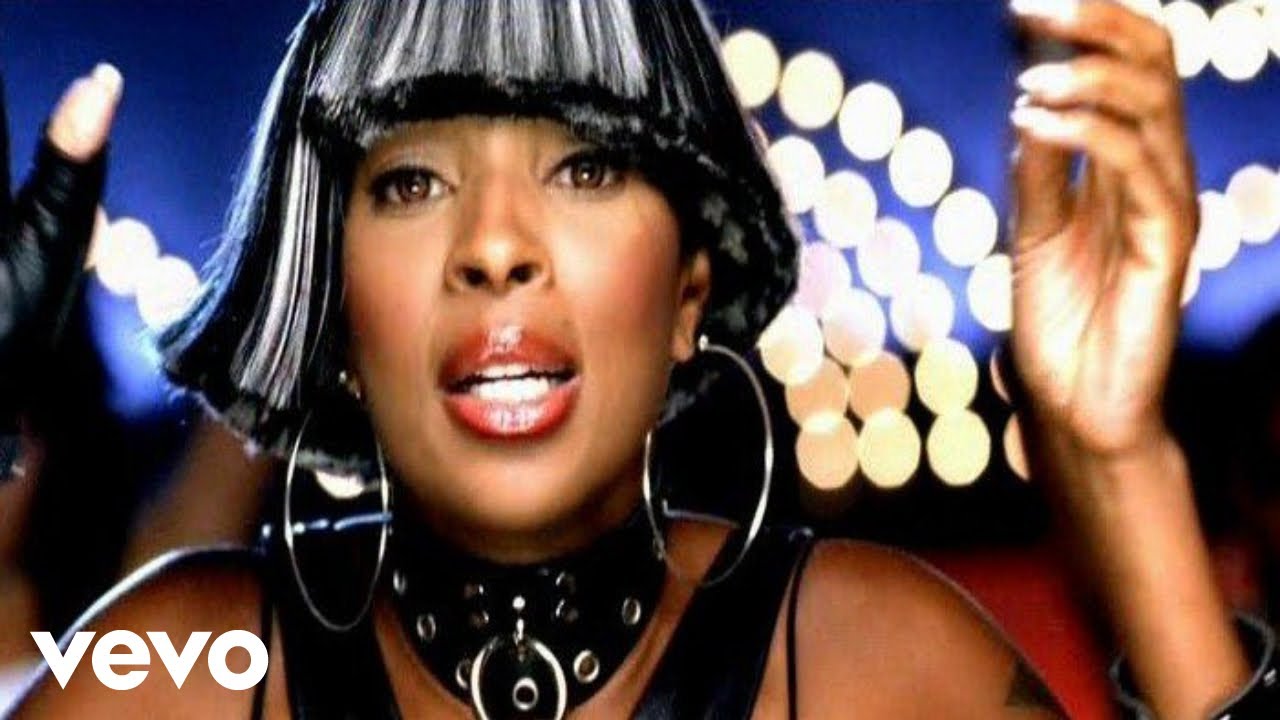

→ More from the 2000s File
View all 2000s hits →

Keep digging