The 2000s File Feature
Ooh!
Ooh! by Mary J. Blige: The Queen of Hip-Hop Soul at Her Most Playful Picture the late summer of 2003. R B radio is thick with sleek, club-ready production, a…
01 The Story
"Ooh!" by Mary J. Blige: The Queen of Hip-Hop Soul at Her Most Playful
Picture the late summer of 2003. R&B radio is thick with sleek, club-ready production, and a generation of singers is learning to fold hip-hop swagger into love songs without losing the ache underneath. Into that landscape steps Mary J. Blige, an artist who had already spent a decade rewriting what a soul record could sound like, and who arrives here sounding looser and more carefree than the woman who once turned her own pain into anthems for a wounded audience.
A Survivor Reinventing Her Sound
By 2003, Mary J. Blige was no longer the breakout newcomer of What's the 411?. She was an established institution, the woman the press had long ago crowned the Queen of Hip-Hop Soul, and her catalog carried the weight of records that fans treated almost like diaries. Albums such as My Life had built her reputation on raw vulnerability, the sound of someone working through heartbreak in real time. So the arrival of a track this buoyant felt like a deliberate exhale. "Ooh!" appeared on her 2003 album Love & Life, a project that found Blige reuniting on much of the record with collaborators from her earliest work, reaching back toward the chemistry that first defined her.
The song trades on groove rather than grief. Where her signature ballads dig into the marrow of a feeling, this one rides a lighter, flirtatious bounce, the sound of an artist who has earned the right to simply enjoy herself. That shift mattered. It told listeners that the woman who had narrated so much struggle could also be the woman at the center of the party, and that range is part of why her audience stayed loyal across so many eras.
A Modest but Telling Chart Run
On the Billboard Hot 100, "Ooh!" behaved like a steady grower rather than an instant smash. It debuted at number 73 on September 6, 2003, then climbed week after week with the kind of patience that suggests genuine radio support rather than a quick promotional burst. It moved to 60, then 52, then 49, then 41, the numbers ticking upward as the record settled into rotation. It reached its peak of number 29 during the week of October 18, 2003, and in total the single spent twelve weeks on the Hot 100. For a lead-in track from a veteran working in a crowded field, that was a respectable showing, the mark of a song that found its people without dominating the conversation.
Where It Sits in Her Legacy
Within the sweep of Mary J. Blige's career, "Ooh!" is not the towering monument that some of her ballads became. It is something subtler and, in its way, just as revealing: proof that she could move with the rhythms of a new decade without abandoning the warmth that made her voice instantly recognizable. The parent album Love & Life debuted at the top of the Billboard 200, underscoring that her commercial pull remained formidable even as individual singles performed modestly. The track has aged into a fan favorite, the kind of deep cut longtime listeners cite when they want to argue that her lighter material deserves more credit.
The Sound of an Artist at Ease
What lingers about the record is its sense of comfort. There is no performance of pain here, no catharsis being wrung out in front of a microphone. Instead you hear a singer in command of her instrument, gliding over the beat with the confidence of someone who has nothing left to prove. That ease is its own kind of statement from an artist whose early fame was built on the opposite impulse.
Drop the needle on "Ooh!" and you catch Mary J. Blige in a rare, unguarded mood, smiling instead of bleeding, and reminding you that the Queen of Hip-Hop Soul could rule the dance floor just as easily as she ruled the broken heart.
"Ooh!" — Mary J. Blige's singular moment on the 2000s charts.
02 Song Meaning
The Meaning of "Ooh!" by Mary J. Blige
There is a particular pleasure in hearing an artist known for her wounds choose, for once, to simply revel in attraction. "Ooh!" is built around that pleasure. It is a song about the rush of desire, the giddy, almost involuntary reaction to someone who turns your head, and it carries none of the heavy emotional accounting that defined so much of Mary J. Blige's earlier catalog.
A Song About the Spark
The lyric lives in the moment of physical and emotional pull, the instant when chemistry takes over and articulate thought gives way to something more primal. Blige paraphrases the universal experience of being undone by someone's presence, the way a glance or a touch can short-circuit your composure. The title itself functions as the hook, a wordless exclamation standing in for a feeling too immediate to put into a full sentence. That choice is smart writing: it lets the groove carry the emotion where language would only slow it down.
Joy as a Statement
For an artist whose name had become shorthand for survival and heartbreak, choosing joy was not a small thing. The song reframes Blige as a woman capable of lightness, not only endurance. After years of records that treated love as a battlefield, "Ooh!" insists that desire can also be uncomplicated fun. The emotional message is almost a form of self-care set to a beat, a reminder that the same heart that has been broken can still flutter with anticipation.
The Cultural Moment
In 2003, R&B was leaning hard into glossy, hip-hop-inflected production, and the genre's biggest stars were increasingly expected to be as comfortable on the dance floor as in the confession booth. Blige's pivot toward a flirtier sound mirrored that broader shift while keeping her vocal identity intact. The song fit a moment when audiences wanted their soul singers to deliver both depth and escapism, sometimes within the same album.
Why It Resonated
Listeners connected to "Ooh!" because it offered permission to feel good without guilt. The track's appeal lies in its honesty about pleasure, the unguarded admission that wanting someone can be exhilarating rather than fraught. Coming from a voice so associated with hard-won wisdom, that simplicity landed as a gift. It let her audience see a fuller portrait of the woman behind the anthems, one who knew how to ache and also how to celebrate.
A Fuller Portrait of a Beloved Voice
Part of what made the song meaningful within her catalog is the way it expanded the emotional vocabulary fans associated with her. For years, listeners had turned to Mary J. Blige when they needed someone to articulate their struggles, to put language to grief and resilience. This track invited them somewhere lighter, a place where joy did not require justification. That broadening of her range deepened the bond with an audience that had grown alongside her, and it suggested that healing, for all its weight, also leaves room for delight.
→ More from Mary J. Blige
View all Mary J. Blige hits →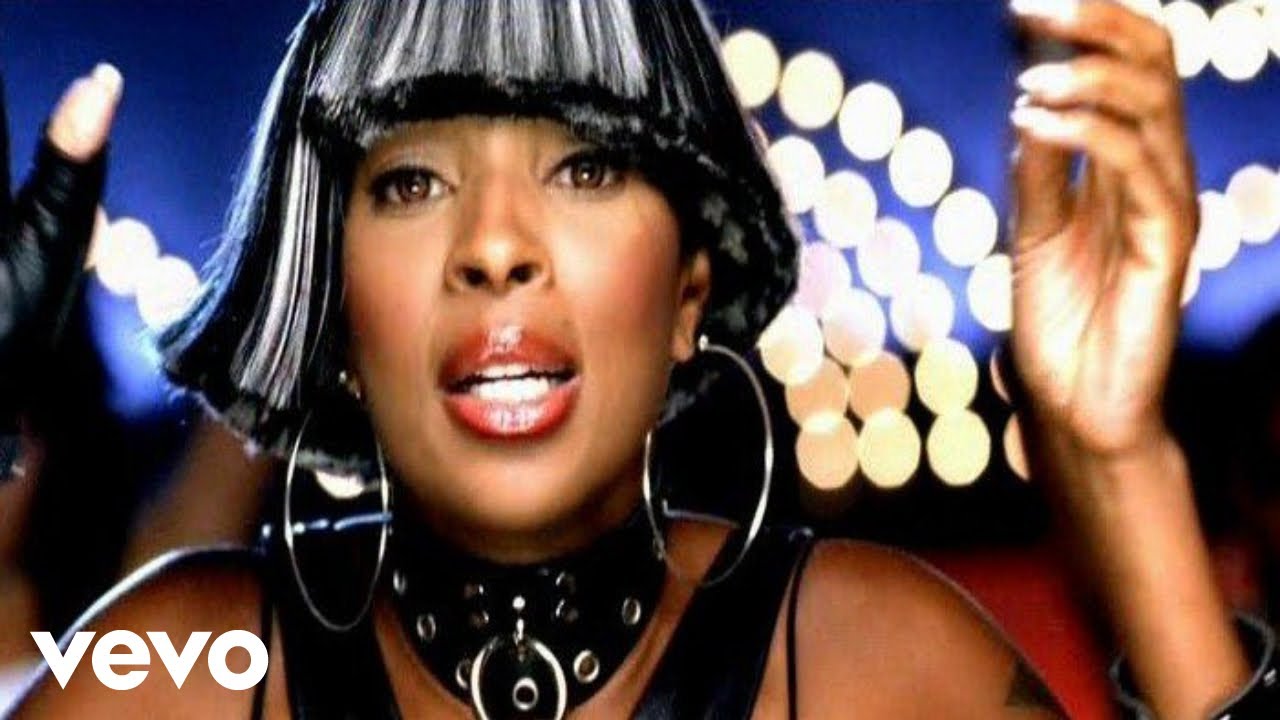



→ More from the 2000s File
View all 2000s hits →


Keep digging