The 2000s File Feature
No More Drama
The Cathartic Release of No More Drama by Mary J. Blige In 2001, the Queen of Hip-Hop Soul delivered one of the most powerful and cathartic singles of her ca…
01 The Story
The Cathartic Release of "No More Drama" by Mary J. Blige
In 2001, the Queen of Hip-Hop Soul delivered one of the most powerful and cathartic singles of her career. A soaring declaration of leaving pain and turmoil behind, the song channeled Mary J. Blige's own hard-won journey into an anthem of liberation, becoming a defining hit and one of her most beloved and meaningful songs.
A Personal Anthem
Mary J. Blige had built her legend on giving voice to genuine emotion, including real pain and struggle. This single channeled her own journey toward peace into a powerful anthem of release. It declared an end to the drama and turmoil that had marked hard times, a cathartic statement of liberation that drew on her own experience, making it feel deeply personal and authentic to the audience that loved her.
A Song of Liberation
The recording builds on a dramatic, soulful arrangement toward a soaring, impassioned climax, framing Blige's powerful vocal. The lyric is a cathartic declaration of leaving pain, turmoil, and drama behind, choosing peace and freedom. That theme of release and liberation gave the song its powerful emotional arc, the sound of someone breaking free from suffering. It is soul charged with genuine, hard-won catharsis.
A Defining Hit
The single became one of Blige's biggest and most beloved successes, earning heavy rotation and lasting acclaim. Its success reflected the powerful catharsis of its message and the strength of her voice. The dramatic build and the liberating lyric made it inescapable, a defining hit that connected deeply with anyone who had longed to leave their own pain behind.
An Enduring Anthem
The song endures as one of Mary J. Blige's most cherished and powerful tracks, an anthem of release that remains meaningful across the years. The recording captures the powerful voice and cathartic emotion that made her an icon. Its lasting popularity reflects the durability of a song built on genuine, hard-won liberation from pain.
The Power of Choosing Peace
Part of the song's power is its declaration of choice. Rather than passively enduring pain, it actively chooses to leave drama and turmoil behind, claiming peace as a decision. That theme of choosing peace gives the song its empowering depth, the genuinely liberating idea that we can decide to release our suffering and move toward freedom, a choice many listeners found inspiring.
Why It Still Resonates
What gives the song its power is the cathartic liberation at its center: the powerful declaration of leaving pain and drama behind to choose peace. That release is deeply moving, and Blige's impassioned delivery makes it land with full force. Press play and the climax will lift you. The combination of soulful catharsis and a message of liberation is exactly why the song remains one of her most beloved.
A Voice for Survivors
The song became an anthem for anyone who had survived their own turmoil, a track people reached for in their hardest moments. Its message of leaving pain behind offered genuine strength to listeners facing their own struggles. That role as a voice for survivors, the sense of a song that gave people permission to claim their own peace, is central to its enduring power and to Blige's standing as an artist who turned her pain into others' strength.
Catharsis Made Audible
The song makes catharsis audible, its soaring build turning the act of release into sound the listener can feel. The dramatic arc from struggle to liberation lets the audience experience the same freedom the lyric declares. That catharsis made audible, the sense of a song that does not just describe release but produces it, is central to its power and a large reason it became one of the most cathartic and beloved anthems in Blige's celebrated catalog.
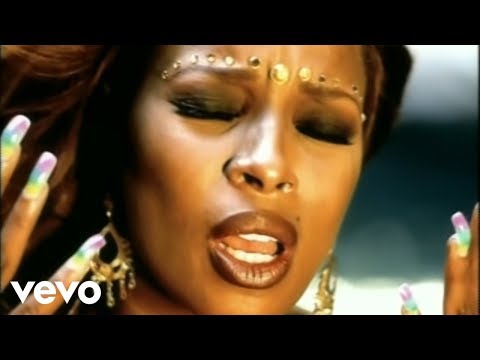
"No More Drama" — Mary J. Blige's singular moment on the 2000s charts.
02 Song Meaning
What "No More Drama" Is Really About
This is a cathartic anthem about leaving pain and turmoil behind. With soaring soul, it declares an end to the drama of hard times and a choice to embrace peace and freedom.
Leaving Pain Behind
The central message is a declaration of leaving pain, turmoil, and drama behind. The song breaks from past suffering, choosing to move beyond it. That release is the cathartic heart of the track, the liberation at its center.
Choosing Peace
Beneath the release runs a choice. The song actively chooses peace and freedom over continued suffering, claiming calm as a decision. That choice gives the song its empowering spirit, the sound of someone deciding to release their pain.
Catharsis in the Build
The meaning is inseparable from the soaring arrangement. The dramatic build toward an impassioned climax turns the declaration into genuine catharsis, the music embodying the release the lyric describes. The build of the sound is the build of the liberation, the climax carrying the freedom of the words.
Hard-Won Freedom
The song's release feels earned. The peace it claims comes after real struggle, a hard-won freedom rather than an easy one. That sense of earned liberation gives the song its weight, the relief of someone who has fought their way to peace.
A Personal Truth
The song carries the weight of personal experience. Drawing on Blige's own journey, it feels authentic rather than abstract, a real truth rather than a slogan. That personal dimension gives the song its power, the sense of genuine, lived liberation.
Why Its Catharsis Resonates
The song connects because the release it offers is so universally longed for. Almost everyone has wished to leave their pain and drama behind, to claim peace and freedom. The song gives that wish a soaring, cathartic voice. Mary J. Blige delivered it with impassioned power and personal truth, and the song lasts as one of her most beloved because that declaration of leaving pain behind to choose peace is exactly what makes it so liberating.
Permission to Heal
What lingers most is the permission the song offers to heal. By declaring an end to drama and a choice for peace, it gives listeners the right to release their own pain and move forward. That permission to heal is the song's deepest gift, the reassurance that we can leave suffering behind. The song hands listeners that freedom, and that liberating permission is exactly why it has remained so beloved and meaningful. It gives everyone the right to claim their own peace, and that liberating gift is exactly its lasting power.
→ More from Mary J. Blige
View all Mary J. Blige hits →



→ More from the 2000s File
View all 2000s hits →


Keep digging