The 2000s File Feature
MJB Da MVP
The Story Behind MJB Da MVP by Mary J. Blige Featuring The Game 50 Cent Picture the spring of 2005: Mary J. Blige is firmly established as the Queen of Hip-H…
01 The Story
The Story Behind "MJB Da MVP" by Mary J. Blige Featuring The Game & 50 Cent
Picture the spring of 2005: Mary J. Blige is firmly established as the Queen of Hip-Hop Soul, a title she earned by fusing raw R&B emotion with hip-hop grit, and she is in the midst of a major career resurgence. With a triumphant, hip-hop-flavored single that celebrated her own legacy and featured two of the hottest rappers of the moment, she reasserted her dominance and reminded the world of her royal standing in the genre she helped define.
The Queen Of Hip-Hop Soul
By 2005, Mary J. Blige had spent more than a decade as one of the most influential and beloved figures in R&B. She had pioneered the fusion of hip-hop production with soulful, emotionally raw singing, a blend that earned her the enduring title of the Queen of Hip-Hop Soul. "MJB Da MVP" came from her album The Breakthrough, released in late 2005, which became one of the biggest successes of her career. The single served as a confident, celebratory statement, a victory lap from an artist at the top of her game.
The Guest Stars
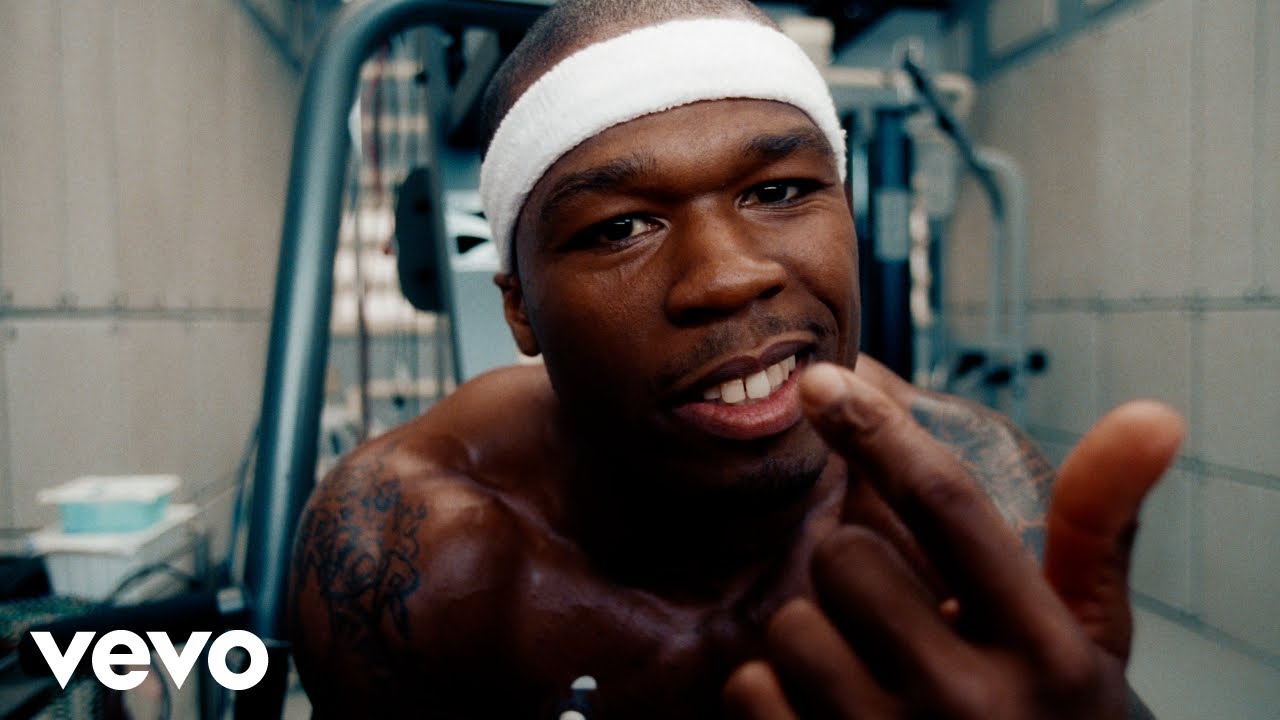
The track was elevated by two of the most prominent rappers of the era. It featured The Game and 50 Cent, both then riding enormous waves of commercial success and cultural prominence. Their presence reinforced the song's hip-hop credentials and underscored Blige's deep ties to the rap world that had always informed her sound. The track also built on the energy of a popular hip-hop hit of the time, repurposing that momentum into a celebration of Blige herself. The collaboration captured her unique position bridging R&B and hip-hop.
A Brief Chart Appearance
The single had a relatively modest run on the pop chart, serving more as a confident album track than a major crossover smash. It debuted on the Billboard Hot 100 dated April 30, 2005, at number 86, then moved gradually over the following weeks. It reached its peak of number 75 on June 18, 2005, and spent eight weeks on the Hot 100. The song performed more notably on the R&B chart and as part of the broader, hugely successful album campaign that would soon make The Breakthrough a blockbuster.
The Architect Of A Genre
To understand the confidence of this single, it helps to recall just how foundational Mary J. Blige had been. In the early nineties she had helped invent the very sound she now ruled, fusing the emotional rawness of soul singing with the beats and attitude of hip-hop. That fusion, which earned her the title of Queen of Hip-Hop Soul, became one of the most influential templates in modern R&B, shaping countless artists who followed in her wake. By 2005, an entire generation of singers had grown up on the blueprint she had drawn. A song positioning her as the most valuable player was therefore not idle boasting but a fair claim from an artist who had genuinely changed the course of the music. Surrounding herself with the moment's biggest rappers only underscored the point, demonstrating her continued centrality to a genre she had helped bring into being.
A Statement Of Legacy
The single's real significance lies in what it represented: a celebration of Mary J. Blige's enduring greatness and her undisputed status in hip-hop soul. By framing herself as the most valuable player and surrounding herself with the moment's biggest rappers, she asserted both her legacy and her continued relevance. It set a confident tone for an album that would become one of her most successful, reaffirming her place at the very top of the genre she had helped create. It was a queen reminding everyone of her crown.
Cue it up and feel the confidence radiate. This is the Queen of Hip-Hop Soul taking a well-earned victory lap.
"MJB Da MVP" — Mary J. Blige Featuring The Game & 50 Cent's singular moment on the 2000s charts.
02 Song Meaning
The Meaning Of "MJB Da MVP" by Mary J. Blige Featuring The Game & 50 Cent
This is a song of self-affirmation and celebration, a confident declaration of Mary J. Blige's status as a most valuable player in her field. It is both a tribute to her own remarkable legacy and a statement of pride, asserting her enduring dominance in the world of hip-hop soul she helped pioneer.
A Celebration Of Self
The song's central message is one of earned pride. Blige positions herself as an MVP, the most valuable player, a metaphor that frames her career as a winning, championship-level achievement. This kind of self-celebration is a long tradition in hip-hop culture, and here it serves to honor a career of genuine influence and success. It is confidence rooted in real accomplishment rather than empty boasting.
Owning A Legacy
Beneath the celebration runs a deeper acknowledgment of history. The song reflects on Blige's role in shaping hip-hop soul, recognizing the path she carved by fusing rap and R&B. By claiming her status so boldly, she insists on the respect her pioneering work deserves. It is a reminder, to herself and her audience, of how much she has contributed to the music and how firmly she has earned her place at its summit.
Strength And Resilience
The confident tone carries extra weight given Blige's well-known personal journey. Her music had long drawn power from her struggles and her hard-won triumphs, and this declaration of being an MVP reads as the culmination of that resilience. The celebration is not just about talent but about survival and growth, the strength it took to reach this peak. That undercurrent of personal triumph deepens the song's pride.
Confidence As Inspiration
The song's self-assured tone carries an invitation as much as a boast. By claiming her own greatness so openly, Blige models a kind of confidence and self-respect that her listeners could aspire to in their own lives. Her music had always functioned as a source of strength for fans navigating their own struggles, and a triumphant declaration of self-worth fit naturally into that role. The message extends outward, suggesting that recognizing your own value and refusing to diminish yourself is something worth celebrating. In that light the song becomes less about Blige alone and more about an attitude she shares with her audience, an encouragement to claim your own worth with the same unapologetic pride.
Why It Resonated
The song connected because its confidence felt both earned and empowering. Audiences who had followed Blige's journey embraced her self-celebration as a shared victory, a moment of pride for the artist and her loyal fans alike. Paired with the star power of its guest rappers and an infectious hip-hop energy, the song offered a triumphant anthem of self-worth, the sound of a queen confidently claiming the throne she had long deserved.
→ More from Mary J. Blige Featuring The Game & 50 Cent
View all Mary J. Blige Featuring The Game & 50 Cent hits →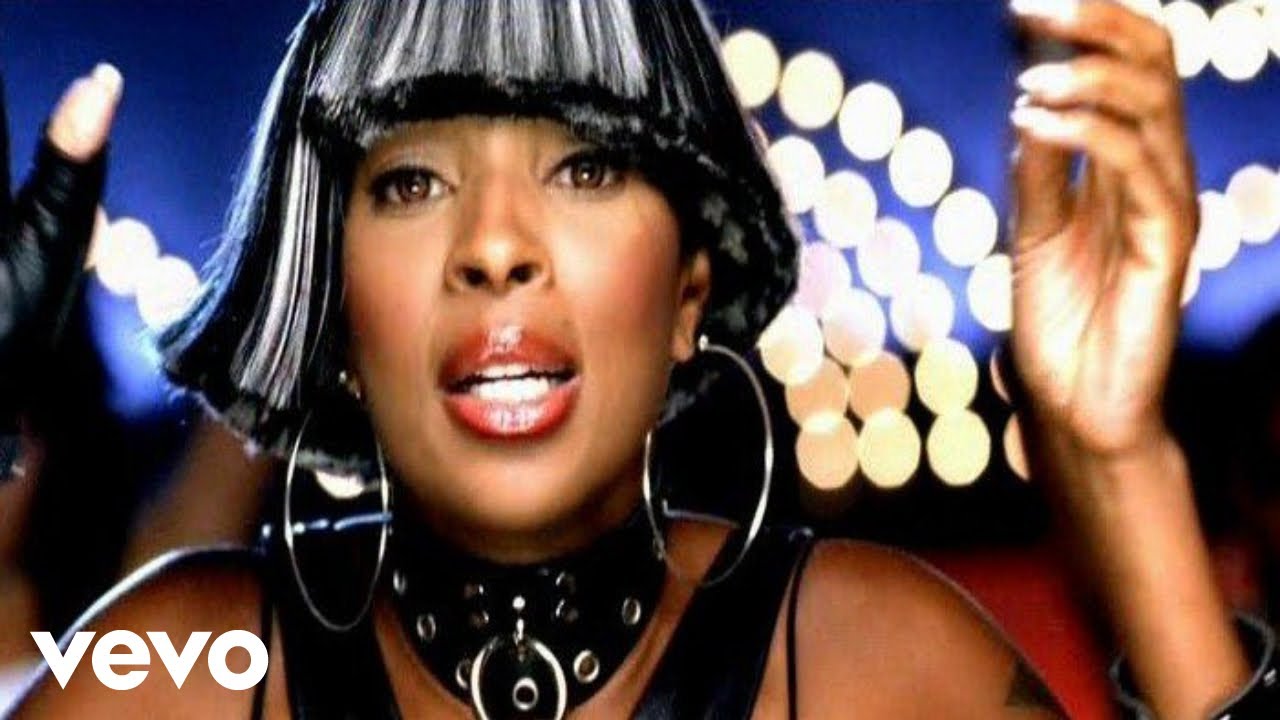

→ More from the 2000s File
View all 2000s hits →
Keep digging