The 2000s File Feature
Pop That Booty
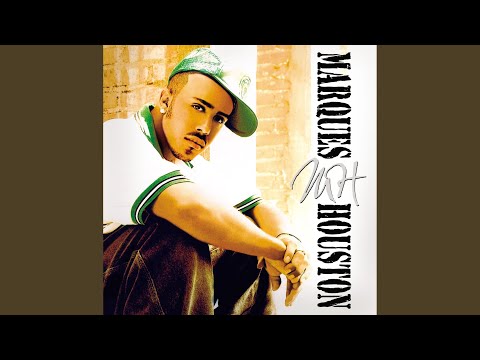
Pop That Booty by Marques Houston Featuring Jermaine Dupri The early 2000s were the era of the dance-floor anthem, when R B and hip-hop producers competed to…
01 The Story
"Pop That Booty" by Marques Houston Featuring Jermaine Dupri
The early 2000s were the era of the dance-floor anthem, when R&B and hip-hop producers competed to craft the catchiest, most irresistible club tracks designed to move bodies and pack dance floors. Into that competitive landscape stepped a young singer transitioning from group success to a solo career, teaming with one of the era's most successful producers to deliver an energetic party track. This single found Marques Houston establishing his solo identity with a fun, danceable number built for the club.
From Group to Solo Star
Marques Houston had first found fame as a member of a popular R&B group, building a fanbase before launching his solo career in the early 2000s. The transition from group member to solo artist is one of the trickiest moves in popular music, requiring a performer to establish an individual identity distinct from the act that made them famous. Houston approached this challenge with energetic, dance-oriented material designed to showcase his appeal as a solo entertainer. He also pursued an acting career during this period, becoming a recognizable figure across multiple entertainment platforms.
A Club-Ready Collaboration
This single paired Houston with the producer and rapper Jermaine Dupri, one of the most successful hitmakers of the era. The track featured Jermaine Dupri, whose production touch and guest presence lent the song commercial credibility and club appeal. The track is built for the dance floor, with an energetic beat and a hook designed to get people moving. The production reflects the polished, party-focused sound of early-2000s R&B and hip-hop, all bounce and momentum. It was a calculated piece of dance-floor entertainment, aiming squarely at the club and radio audience that drove the charts in that period.
A Modest Chart Appearance
On the pop chart, the single achieved a modest run. It debuted on the Billboard Hot 100 at number 97 on December 13, 2003, and made a gradual climb over the following weeks. The song reached its peak position of number 76 on January 3, 2004, and altogether it spent 9 weeks on the Hot 100. Those numbers placed it in the lower reaches of the chart, a respectable if unspectacular showing for a dance track in a crowded field. While it did not become a massive crossover smash, the single served its purpose in establishing Houston's solo party-music credentials and keeping his name in circulation.
Part of a Multifaceted Career
The song represents one phase of Houston's varied career as a singer, actor, and entertainer. It captured the energetic, dance-oriented sound he pursued in his solo work during this period, a fun club track aimed at the party crowd. Houston would continue recording and acting in the years that followed, building a career across multiple areas of entertainment. The video has gathered around 430,000 YouTube views, keeping the track available for listeners revisiting the club sound of the early 2000s. It endures as a snapshot of the era's party-music landscape.
The Art of the Dance Track
Crafting an effective dance track is a more demanding art than it might appear. A song designed to fill a dance floor must balance several elements precisely: an infectious beat, a hook that listeners can latch onto immediately, and an energy that builds and sustains the momentum of a night out. The producers and artists who specialized in this kind of music understood these requirements intimately, and the best of them could engineer a song that became inescapable in clubs across the country. This single reflects that craft, a track built with the dance floor specifically in mind. The collaboration with an accomplished producer brought professional polish to the project, ensuring the beat hit hard and the hook landed. While the song may not have aimed for lasting profundity, the skill required to make people move should not be underestimated. It is a particular and valuable form of musical expertise.
Press Play
Let that energetic beat and party-ready hook pull you onto the dance floor of the early 2000s. It is a fun, danceable club track built purely for a good time.
"Pop That Booty" — Marques Houston Featuring Jermaine Dupri's singular moment on the 2000s charts.
02 Song Meaning
The Meaning Behind "Pop That Booty"
This is a dance song, pure and simple, an energetic call to hit the floor and move. Its meaning lives entirely in the realm of the club and the party, with no deeper message beyond the celebration of dancing, fun, and physical energy. It belongs to the long tradition of party anthems designed to do one thing exceptionally well: get people moving.
A Celebration of Dancing
The central theme is the joy of dancing itself. The song is an invitation to move, to enjoy the rhythm and let the body respond to the beat. There is no complicated narrative or hidden meaning here, only the straightforward celebration of physical movement and the energy of the dance floor. The song exists to soundtrack a good time, encouraging listeners to lose themselves in the music and the motion. It is functional music in the best sense, built for a specific and joyful purpose.
The Energy of the Club
The song captures the atmosphere of the nightclub at its most energetic. It evokes the excitement, the rhythm, and the physical exuberance of a packed dance floor, channeling the collective energy of people moving together to a beat. This celebration of club culture was central to the party music of the era, songs designed to create and amplify the energy of a night out. The track aims to bottle that feeling, delivering the pulse of the dance floor straight to the listener.
Fun Without Pretension
The song makes no claim to profundity, and that is precisely its strength. It embraces pure fun and physical enjoyment without any pretension to deeper meaning. This lack of complication is a feature rather than a flaw, allowing the song to fulfill its purpose without distraction. Party music does not need to carry weighty themes; it needs to be irresistible, and this song aims squarely at that target. Its simplicity is part of its appeal, an unburdened celebration of having a good time.
Why It Connected
The song appealed to listeners looking for energetic, danceable entertainment. Audiences responded to its infectious beat and its straightforward invitation to dance and have fun, embracing it as a club track built for enjoyment. In an era when party anthems dominated radio and nightlife, a song that delivered pure dance-floor energy found a ready audience. The production and the guest appearance added commercial polish, but at its heart the song succeeded by simply being fun.
In the end, the song works because it knows exactly what it wants to be and delivers it without hesitation. It is a celebration of dancing and good times, a piece of pure party energy that asks nothing more than that you move.
→ More from Marques Houston Featuring Jermaine "JD" Dupri
View all Marques Houston Featuring Jermaine "JD" Dupri hits →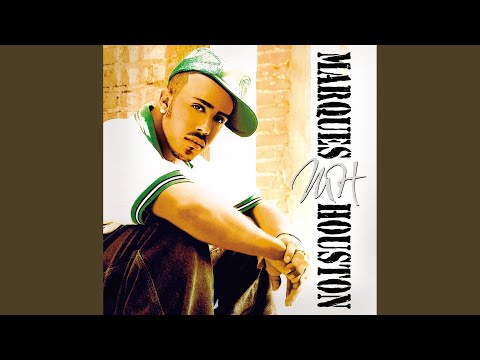

→ More from the 2000s File
View all 2000s hits →
Keep digging