The 2000s File Feature
Broken
Broken by Lifehouse There is a particular kind of song that does not so much arrive as accumulate, building its audience slowly through quiet moments rather …
01 The Story
"Broken" by Lifehouse
There is a particular kind of song that does not so much arrive as accumulate, building its audience slowly through quiet moments rather than splashy debuts. "Broken" by Lifehouse is one of those. Released in the late 2000s, it never roared up the charts, yet it embedded itself in the lives of listeners who found in it a language for their own hardest stretches.
A Band Built on Earnestness
By the time "Broken" appeared, Lifehouse had already proven they could write a generation-defining hit, having broken through earlier in the decade with a song that became inescapable. "Broken" came from their album Who We Are, and it found the band doing what they did best: sincere, mid-tempo rock built around frontman Jason Wade's plainspoken, aching vocal delivery. There was nothing ironic or fashionable about their approach, and that earnestness was exactly their appeal. They wrote for people who wanted to feel understood.
The Sound of Holding On
The song is a slow, steady build, the kind of arrangement that mirrors the experience it describes: the daily effort of carrying on through pain. The guitars chime rather than crash, the rhythm keeps a patient pulse, and Wade's voice carries a worn vulnerability that never tips into melodrama. It is a song about endurance more than collapse, about the small, stubborn act of getting through one more day. That emotional clarity made it a natural fit for film and television, where it found powerful placement.
The Chart Run
"Broken" entered the Billboard Hot 100 on November 8, 2008, at number 95, and it lingered in the lower reaches of the chart for some time. It reached its peak of number 83 on January 31, 2009, and stayed on the Hot 100 for a total of fifteen weeks. Those modest numbers undersell its real reach; the song performed far better on the adult and pop airplay charts, where its quiet staying power made it a long-running favorite on the radio.
A Song for the Hard Days
The legacy of "Broken" lies in how personally people took it. It became a touchstone for listeners coping with illness, loss, depression, and recovery, the kind of song that gets shared in moments of genuine struggle. Its YouTube video has collected more than 53 million views, a number driven not by hype but by people returning to it when they needed it. That is the rarest kind of hit: one measured in private comfort rather than public spectacle.
The Sound of an Era's Sincerity
"Broken" belongs to a particular strain of late-2000s rock that prized emotional directness over irony or aggression. This was the age of earnest, radio-friendly bands writing songs about real feelings for listeners who wanted to be moved rather than provoked. Lifehouse had helped define that sensibility earlier in the decade, and here they refined it. The polished production and steady, mid-tempo build were hallmarks of the sound, designed to fill arenas and car radios alike with a feeling of shared catharsis. The band's commitment to sincerity over cool was central to their identity, and while critics sometimes dismissed that earnestness, fans treasured it precisely because it never winked or held them at a distance. The song trusted its audience to feel things openly, and they did.
Quiet Resilience
What endures is the song's gentle insistence that survival is enough, that simply holding on counts as a victory. There is no false uplift here, no promise that the pain will vanish, only the steadier comfort of company in the dark. Press play when the weight feels heavy, and let its patient build remind you that the next morning still comes.
"Broken" — Lifehouse's singular moment on the 2000s charts.
02 Song Meaning
The Meaning Behind "Broken"
"Broken" is a song about endurance in the face of pain, about the quiet, exhausting work of holding on when everything inside you wants to give up. It does not promise that things will get better. It simply insists that you keep going, one breath at a time.
The Strength in Surviving
The central message is that survival itself is an act of courage. The lyric dwells in a state of brokenness, acknowledging weakness and weariness without shame. Yet beneath the fragility runs a thread of stubborn resolve, a refusal to let the pain win. The song honors the unglamorous heroism of simply making it through another day, which is why it spoke so directly to people in genuine distress.
Faith and Fragility
Running through the song is a sense of holding on to hope, even a faint and battered one. It captures the feeling of being barely held together while still reaching toward something steadier. Listeners have read that reaching in different ways, as faith, as love, as the will to live. The song leaves it open, and that openness is part of why it consoles so many different people.
Pain Without Pretense
What makes the lyric land is its refusal to dress up suffering. There is no easy fix offered, no tidy resolution. The honesty of that approach is the song's greatest strength, treating the listener as someone who can handle the truth rather than someone who needs to be comforted with platitudes. It meets pain on pain's own terms.
The Quiet Defiance of Continuing
There is a subtle heroism embedded in the song's outlook. It reframes the simple act of getting through the day as a meaningful achievement, rather than something to be brushed aside. For people whose lives have narrowed to the size of a single difficult morning, that reframing matters enormously. The song does not ask anyone to be strong or inspirational; it only asks them to keep breathing, and it treats that as more than enough. That low, achievable bar is part of why it consoled rather than exhausted its listeners.
Why It Resonated
The song found its audience among people walking through their own dark seasons. For someone managing chronic illness, grief, or depression, "Broken" offered something rare: a voice that admitted how hard things were and stayed present anyway. It did not try to lift the listener out of their pain so much as sit beside them in it, and that companionship is exactly why it became a lifeline for so many who needed to feel less alone.
→ More from Lifehouse
View all Lifehouse hits →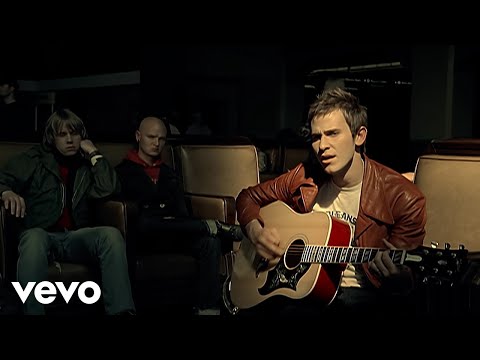



→ More from the 2000s File
View all 2000s hits →




Keep digging