The 2000s File Feature
Last Call
"Last Call" — Lee Ann Womack's Late-Night Reckoning A Voice Shaped by Country's Depths Lee Ann Womack arrived in country music in the late 1990s as one of th…
01 The Story
"Last Call" — Lee Ann Womack's Late-Night Reckoning
A Voice Shaped by Country's Depths
Lee Ann Womack arrived in country music in the late 1990s as one of the format's most distinctive voices: a singer with deep roots in traditional country who could locate emotional nuance in material that would have sounded ordinary coming from a less gifted interpreter. Her 2000 crossover hit "I Hope You Dance" had brought her to a mainstream audience far larger than the country base she had cultivated, and the years that followed found her navigating the creative tension between that broad appeal and her instinct to make records rooted in the classic sounds she had grown up loving.
By 2008, when she was preparing the album Call Me Crazy, Womack was in her mid-forties and had reached a point in her career where commercial calculation could reasonably take a back seat to artistic conviction. "Last Call" emerged from that creative context, a song that drew on the classic country tradition of the drinking ballad while giving the form a specifically feminine, specifically mature perspective that set it apart from its antecedents. The album arrived in January 2009, and the single began its Hot 100 run that same month.
The Tradition Behind the Track
Country music has always had a complicated, intimate relationship with the bar at closing time. The late-night scene, with its emotional honesty and its specific social rituals, has generated some of the genre's most enduring material. The barroom ballad tradition stretches from Hank Williams through Willie Nelson, Merle Haggard, and countless others who found in the closing hours of an evening a metaphor for confronting truths that daylight tends to obscure. "Last Call" positions itself within that tradition while centering a woman's perspective on the emotional territory the tradition has often depicted from a male vantage point.
The production on the track reflects the approach Womack and her collaborators brought to Call Me Crazy as a whole: a sound rooted in traditional country instrumentation, with steel guitar and acoustic textures at the center, but contemporary enough in its production values to function on modern country radio. The arrangement served the emotional content of the lyric rather than competing with it, allowing Womack's vocal to carry the weight of the song's emotional argument.
Nine Weeks on the Hot 100
The Billboard Hot 100 data for "Last Call" tells a story of patient chart climbing through the first months of 2009. The single debuted at number 93 on January 31, 2009, and spent nine weeks on the chart, reaching its peak position of number 77 on March 21, 2009. That chart trajectory, moving steadily through the lower reaches of the Hot 100 while achieving more significant positions on the country charts, reflected the dual-audience nature of Womack's appeal: a dedicated country base whose streaming and sales drove cross-chart visibility, supplemented by the residual mainstream recognition from "I Hope You Dance."
The Hot 100 is a harder chart for country artists to penetrate in an era when country and pop audiences have relatively little demographic overlap in their primary listening habits, so nine weeks on the general chart from an album-track single represented meaningful mainstream traction. The country chart performance provided the commercial foundation, while the Hot 100 presence confirmed that the song was reaching listeners beyond the format's core audience.
Womack in the Context of 2009 Country
The country music landscape in 2009 was crowded with younger artists and crossover-oriented acts whose commercial strategies prioritized mainstream radio accessibility. Womack, by contrast, had always positioned herself slightly apart from the commercial mainstream, closer to the Americana and traditional country spaces that were enjoying a parallel critical renaissance. Her willingness to make a record as unapologetically traditional as Call Me Crazy at a moment when the commercial pressure was pointing in a different direction reflected the artistic confidence of someone who had earned the right to make exactly the record she wanted to make.
The album was produced with care and craft, and "Last Call" represented its most commercially accessible moment without compromising the integrity of the broader project. Country radio programmers who had followed Womack's career recognized in the single the kind of music the format had celebrated for decades, and the audience that met the song on radio and on digital platforms validated that recognition with sustained attention.
The Enduring Appeal of Honest Reckoning
Songs that face difficult emotional truths without flinching have a longevity that more comfortable material often lacks. "Last Call" belongs to that category, a track that finds in the traditional country setting of the bar at closing time a landscape for genuine emotional confrontation. Womack's vocal performance brings to the song the earned authority of a singer who has spent decades understanding what country music at its best is capable of delivering. It rewards the listener who gives it full attention. Press play and let the honesty of it settle over you.
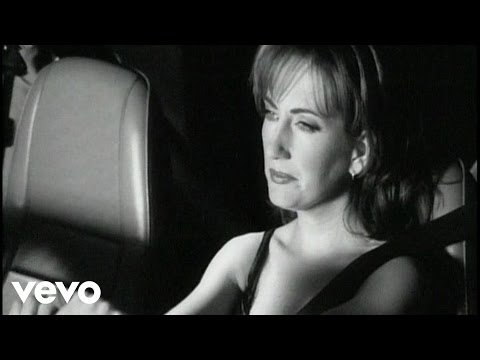
"Last Call" — Lee Ann Womack's singular moment on the 2000s charts.
02 Song Meaning
"Last Call" — Closing Time, Hard Truths, and the Country Reckoning
The Hour When Pretense Falls Away
There is a particular quality to the last hour in a bar. The social performance that people maintain through the earlier hours of an evening tends to relax as closing time approaches, and what's left when the pretense drops is often something truer and less comfortable. Lee Ann Womack's "Last Call" takes that liminal hour as its setting, using it to stage the kind of emotional confrontation that daylight tends to defer. The song understands that certain conversations can only happen in this particular context, under these particular conditions, and it exploits that understanding with craft and emotional intelligence.
The lyrical terrain the track covers is the fraught emotional geography of a relationship that has reached its own version of closing time. The narrator's position is neither victim nor aggressor; the emotional complexity of the song refuses the simplifications that would make it easier to consume and easier to dismiss. Country music at its best has always been willing to inhabit this kind of moral ambiguity, and "Last Call" positions itself firmly in that tradition.
A Woman's Perspective on Classic Material
The drinking song and the barroom ballad have been almost exclusively male territories in country's recorded history. The handful of classic exceptions tend to reinforce the rule rather than challenge it. Womack's approach to the material in "Last Call" brings a feminine perspective to a setting and an emotional situation that the genre has repeatedly examined from the male vantage point, and the shift is more substantive than it might initially appear. The narrator's emotional stakes, her relationship to the social rituals of the bar, and the specific terms of her reckoning are all inflected by her gender in ways that enrich the song's analytical purchase on its subject.
This was not an incidental feature of the track. Womack had spent her career interrogating and enriching the country tradition from the inside, finding ways to honor its conventions while bringing to them a perspective and a depth of feeling that kept the material from becoming merely conventional. "Last Call" represents a particularly accomplished instance of that ongoing project.
Traditional Production as Emotional Language
The choice to record the song with an arrangement rooted in traditional country instrumentation was itself a statement about the emotional register the track was intended to occupy. Steel guitar in country music functions as a direct emotional signal: its particular timbre, associated through decades of recording with heartache, longing, and the particular bittersweet quality of country's emotional landscape, primes the listener for a specific kind of affective experience before a word has been sung. The production's commitment to traditional sounds communicated something about the emotional seriousness of the material and about Womack's location within the genre's history.
In 2009, that choice was not the path of least resistance. Country radio was engaged in its own ongoing negotiation between traditional values and contemporary production aesthetics, and the pressure to adopt more modern sounds was real and commercially significant. "Last Call" made a different choice, one that the song's core audience received with gratitude and that gave the track a timeless quality, making it sound as at home in 2024 as it did in 2009.
Why Honest Songs About Endings Endure
Country music's most durable material tends to deal with loss, separation, and the difficult aftermath of relationships that have run their course. The emotional honesty required to make such material genuine rather than merely formulaic is rarer than it appears, and Womack's performance on "Last Call" brings that honesty in full measure. The song earns its emotional effects through accumulation and specificity rather than through melodramatic gesture, and that restraint is precisely what gives it its staying power. It is the kind of country song that rewards returning to, that reveals more of itself on each listen, that does the thing the best material in the genre has always done: it tells the truth about how hard the hard things are.
"Last Call" — Lee Ann Womack's singular moment on the 2000s charts.
→ More from Lee Ann Womack
View all Lee Ann Womack hits →



→ More from the 2000s File
View all 2000s hits →




Keep digging