The 2000s File Feature
Never Wanted Nothing More
Never Wanted Nothing More — Kenny Chesney The Sound of Summer Country Summer 2007 found Kenny Chesney at the peak of his commercial powers. He had spent the …
01 The Story
Never Wanted Nothing More — Kenny Chesney
The Sound of Summer Country
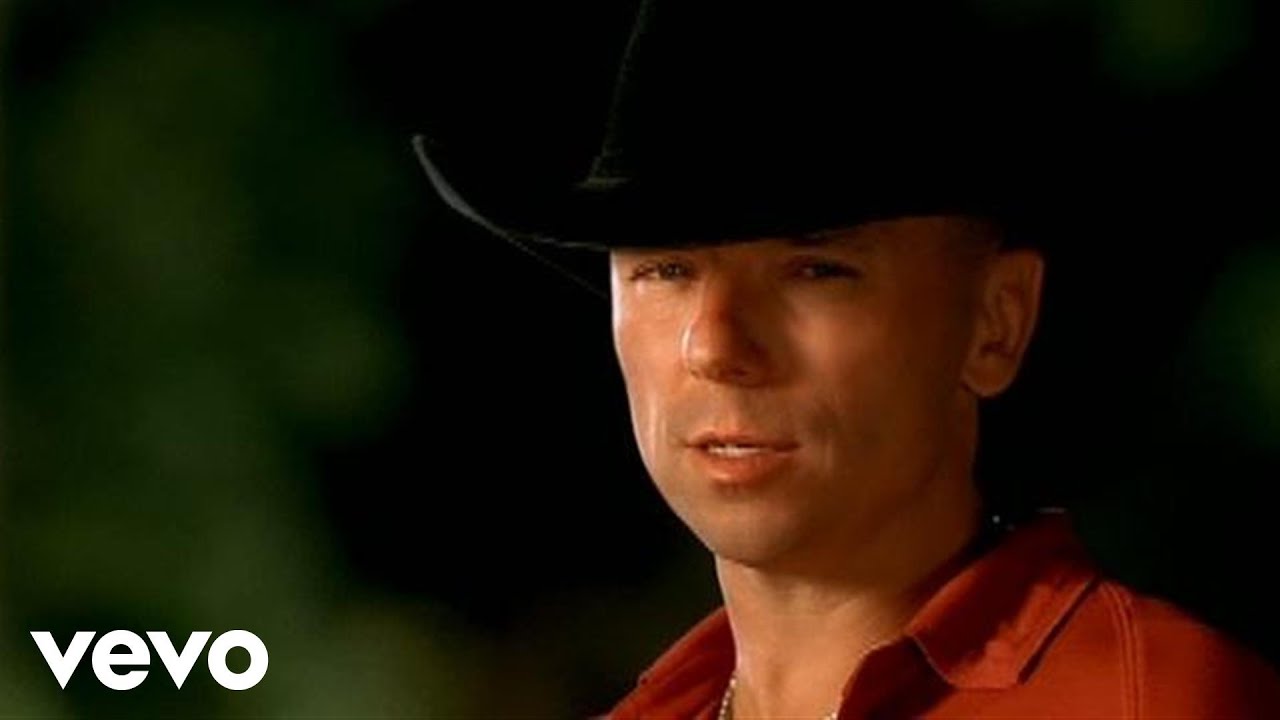
Summer 2007 found Kenny Chesney at the peak of his commercial powers. He had spent the previous several years building a reputation as one of the most consistent live draws and chart performers in country music, his beach-inflected, sun-soaked brand of the genre resonating with audiences who wanted their country music to feel like a vacation rather than a lament. Never Wanted Nothing More arrived as part of that ongoing project, a track that embodied the values and the aesthetic his fanbase had come to expect: warmth, directness, a lyrical focus on simple pleasures and the desire for uncomplicated living.
The song was included on his album Just Who I Am: Poets and Pirates, released in September 2007. Chesney at this stage was operating on a commercial scale that few country artists had reached; his stadium tours were selling out consistently, and his album releases were reliable chart events. The partnership between his recording career and his touring operation had created a self-reinforcing commercial engine that made each new release an event for a loyal and substantial audience.
Chart Performance and Radio Success
Never Wanted Nothing More debuted on the Billboard Hot 100 on July 7, 2007, entering at number 65. The following week it jumped dramatically to its peak of number 22 on July 14, 2007, before gradually descending over the remaining weeks of its chart run. It spent a total of 20 weeks on the Hot 100, a substantial run that reflected both the ongoing radio support the track received and the sustained interest of his fanbase. Twenty weeks on chart is the mark of a recording that has genuine staying power in the format, not just a brief spike driven by initial release enthusiasm.
On the Billboard Hot Country Songs chart, the track performed even more strongly, as was typical for Chesney, whose country audience was enormous and deeply engaged. The crossover Hot 100 performance at number 22 demonstrated that his appeal extended meaningfully beyond the core country format, though the country charts remained his primary commercial home.
The Songwriting Behind the Hit
The song was written by Travis Meadows, a Nashville songwriter whose work drew on personal experience and a lyrical honesty that distinguished it from more formulaic country output. Meadows brought to the song a perspective that located contentment not in grand ambitions or spectacular achievements but in the ordinary textures of a life well-lived: the desire for place, for belonging, for the simple continuity of being who you are. That perspective aligned naturally with what Chesney had built his career on communicating.
Chesney's vocal delivery suited the material precisely. His voice carried a casual warmth that made contentment sound earned rather than complacent, a distinction that matters enormously in a lyric about wanting nothing more than what one has. Sung with too much polish, such a sentiment risks sounding smug; in Chesney's hands it sounded like genuine gratitude.
Place and Simplicity in Country Music
The thematic territory of Never Wanted Nothing More sits at the center of what country music has always done best: the celebration of particular places, familiar rhythms of daily life, and the satisfactions available to those who have found their footing in a world that does not always make such stability easy. In 2007, with the United States two years into what would become the Great Recession's preliminary tremors and the country engaged in two foreign wars, the appeal of songs about wanting less and appreciating what one had carried an obvious emotional resonance.
Chesney's catalog consistently offered listeners an imaginary space of sunlight and simplicity, a counterweight to the anxieties of the news cycle. The fact that this was itself a kind of commercial formula did not diminish its effectiveness; people genuinely needed that counterweight, and Chesney was unusually good at providing it with enough sincerity to avoid feeling cynical.
A Career at Its Summit
Looking back at 2007 from later in Chesney's career, the release of Never Wanted Nothing More represents a moment near the top of a sustained commercial arc. The song captures a performer and a formula in productive harmony, each reinforcing the other. If the measured pleasures it celebrates speak to you, this is the song in which Chesney found exactly the right words for them. Press play on a summer afternoon and feel the simplicity wash over you.
"Never Wanted Nothing More" — Kenny Chesney's singular moment on the 2000s charts.
02 Song Meaning
Never Wanted Nothing More — Contentment, Place, and the Country Ideal
The Philosophy of Enough
In a culture saturated with messages of ambition, acquisition, and self-improvement, a song that declares contentment with what one has carries a particular kind of cultural weight. Never Wanted Nothing More plants its flag firmly in the territory of sufficiency: the narrator has found a life that satisfies, a place that feels like home, a set of circumstances that answers the fundamental human need for belonging. The emotional argument the song makes is not about passive resignation but about the genuine achievement of settling into oneself, of finding that the ordinary textures of a well-rooted life are enough to fill a person up.
Travis Meadows wrote the song from a place of genuine reflection on these themes, and that authenticity reads in every verse. The lyric does not romanticize simplicity to the point of falseness; it acknowledges the specificity of its contentment, the particular places and people and routines that constitute a satisfying existence. That specificity saves the song from becoming generic self-help sentiment and roots it in something that feels lived rather than composed.
Country Music and the Geography of Home
Country music has always been deeply concerned with place, with the geographic specificity of belonging, with the way that particular landscapes and communities shape who a person is and what they value. Kenny Chesney's version of this concern had a distinctly coastal and outdoors flavor, the beach, the boat, the summer heat, a set of place-markers that felt genuinely his own rather than generically country. This specificity gave his version of the contentment narrative a grounding that prevented it from floating into abstraction.
In 2007, with American culture processing considerable social anxiety, the geographic anchoring of the song's contentment offered something valuable: a reminder that the things most worth wanting were often immediately available rather than perpetually deferred. Chesney's audience, which skewed toward working and middle-class listeners who had real relationships with the outdoor landscapes the songs invoked, responded to that message with considerable warmth.
The Double Negative and Its Meaning
The grammatical structure of the title is worth examining. "Never Wanted Nothing More" uses a double negative in the way that is common in vernacular American English, a construction that functions as an intensified affirmative rather than a logical negation. The result is a phrase that feels both grammatically natural in its folk context and conceptually rich in its implications. This vernacular precision is part of what gave the song its authentic country feel; it sounded like the way actual people in actual places talked about their lives, not like a polished lyrical construction designed to signal authenticity.
Country music has always been attuned to the vernacular, to the regional dialects and folk speech patterns that mark its origins, and the best writers in the genre understand that authentic idiom carries emotional information that more formally correct language cannot replicate. Meadows understood this, and Chesney's delivery honored it.
Why the Theme Endures
Songs about contentment face a particular challenge: they must make sufficiency feel dynamic rather than static, must convince the listener that the absence of wanting is itself an achievement worth celebrating rather than a failure of ambition. Never Wanted Nothing More meets that challenge through the specificity of its imagery and the warmth of its delivery. The combination of Travis Meadows' writing and Chesney's vocal sincerity produced a recording that made contentment feel like something actively chosen and deeply felt rather than passively settled for. That is the enduring appeal of the song: it makes peace with one's life sound like a form of strength.
→ More from Kenny Chesney
View all Kenny Chesney hits →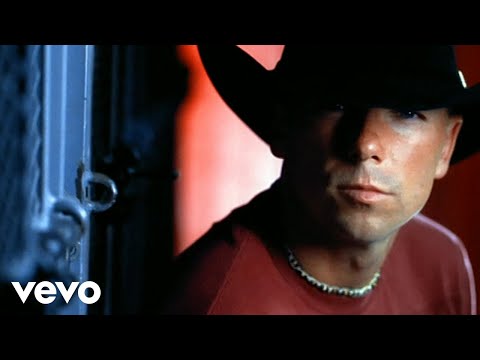



→ More from the 2000s File
View all 2000s hits →



Keep digging