The 2000s File Feature
Yeah Yeah U Know It
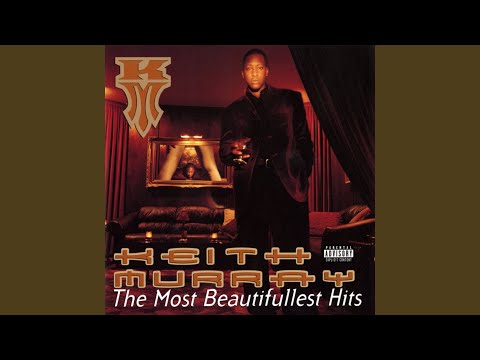
The Posse Cut Energy of Yeah Yeah U Know It by Keith Murray Featuring Def Squad Picture the hip-hop landscape of 2003, when the underground and the mainstrea…
01 The Story
The Posse Cut Energy of "Yeah Yeah U Know It" by Keith Murray Featuring Def Squad
Picture the hip-hop landscape of 2003, when the underground and the mainstream were constantly trading places and a sharp-tongued lyricist could still command respect on the strength of pure technique. Keith Murray had spent years building a reputation as one of rap's most inventive wordsmiths, and this single found him surrounded by his longtime crew, trading verses with the easy chemistry of men who had been making music together for the better part of a decade. It is a song built on camaraderie, the sound of a tight-knit collective doing what they did best.
A Respected Lyricist Among Allies
By 2003, Keith Murray was a veteran of the New York rap scene, known for a dense, acrobatic style that prized vocabulary and wordplay above easy hooks. The Def Squad collective, the crew he came up with, brought a familiar and battle-tested chemistry to the track. These were artists who had defined a particular strain of mid-1990s East Coast rap, and reuniting on a posse cut let them recapture some of that old fire. The single arrived as Murray continued to release music for a dedicated fan base that valued substance over commercial polish.
The Sound of a Crew in Sync
Musically, the track lives on the interplay between its emcees. The production keeps things grounded and head-nodding, leaving room for each voice to carve out its own space. There is a looseness to the performances, the relaxed confidence of artists who have nothing to prove to one another and everything to enjoy. The hook is more of a chant than a melody, a communal call-and-response designed to get crowds moving. It is the kind of record made for the love of the craft rather than the demands of radio.
A Single Week on the Hot 100
On the broader pop chart, the single made only the briefest appearance. "Yeah Yeah U Know It" debuted on the Billboard Hot 100 on April 19, 2003, at number 99, and that debut at number 99 also marked its peak. The track spent just 1 week on the Hot 100 before disappearing from the listing. That fleeting showing tells you everything about its nature: this was a record aimed squarely at the hip-hop core rather than the mass audience, and its true life played out on rap radio, in clubs, and among the genre's devoted listeners rather than on the all-genre chart.
The Value of the Posse Cut
The posse cut has always held a special place in hip-hop, a format where multiple artists gather on one track to trade verses and feed off one another's energy. It is a tradition that rewards chemistry over commercial calculation, and this single sits firmly within it. Rather than building around a single hook designed for mass appeal, the song spreads its weight across several voices, letting each emcee contribute a distinct flavor. That structure favors lyrical substance and group dynamics, the very qualities that hardcore rap fans prize most. For Keith Murray and his crew, it was a chance to remind the audience of their collective pedigree, to demonstrate that the bonds forged years earlier still produced compelling music. The format itself was a statement of values, a declaration that the culture of rap mattered more than the charts.
A Snapshot of a Crew's Bond
Within Keith Murray's catalogue, the song stands as a document of loyalty and longevity, a reminder of the collective that shaped his early career. It never aimed for crossover stardom and never needed to. With 1.2 million YouTube views, the track retains a steady audience among fans who appreciate the chemistry of a real crew and the artistry of an underrated lyricist. It is the kind of deep cut that rewards listeners who dig past the hits to find the music made for the culture itself, a small testament to friendship and craft that has outlasted its brief chart appearance.
Press Play and Catch the Chemistry
Cue this one up to hear a veteran emcee in his natural element, surrounded by the allies who knew his style best. Let the verses roll, feel the easy rapport between the voices, and you will understand why fans of authentic hip-hop kept following Keith Murray long after the charts moved on. It still knocks.
"Yeah Yeah U Know It" — Keith Murray Featuring Def Squad's singular moment on the 2000s charts.
02 Song Meaning
What "Yeah Yeah U Know It" Is Really About
This Keith Murray posse cut is, at its heart, a celebration of crew loyalty and lyrical skill. It is less a song about a single subject than a showcase, a chance for a group of allied emcees to assert their place in the culture and remind listeners exactly who they are.
The Bond of the Collective
The song's foundation is brotherhood. The Def Squad members trade verses as equals, each reinforcing the strength of the group rather than competing for the spotlight. That sense of unity is the real message, the idea that a crew standing together is more powerful than any single voice. Hip-hop has always prized this kind of loyalty, and the track wears it proudly, turning camaraderie itself into the subject of the song.
Skill as a Statement
Beyond the brotherhood, the track is a demonstration of pure technique. The emcees use the song to flex their lyrical dexterity, packing their verses with wordplay and rhythmic invention. In this corner of rap, skill is its own argument, a way of earning respect that needs no commercial validation. The confident hook, a simple assertion that the audience already knows what these artists bring, frames the entire performance as a victory lap for craft.
A Reflection of Early 2000s Rap
The song arrived at a moment when hip-hop was splitting between glossy mainstream hits and a thriving lyricist-driven underground. It belonged firmly to the latter camp, prioritizing authenticity and technical ability over crossover appeal. For listeners who valued that side of the genre, the track represented a continuation of the values that had defined East Coast rap a decade earlier, a refusal to chase trends at the expense of substance.
Authenticity as the Underlying Message
Running beneath the bravado is a quieter assertion of authenticity. The song refuses to chase trends or soften its edges for a wider audience, and that refusal is itself a kind of meaning. In a era when many rappers were polishing their sound for crossover success, sticking to the raw, lyrical approach was a statement of integrity. The track says, in effect, that these artists know who they are and will not change to suit the marketplace. That commitment to staying true resonated with listeners who felt that hip-hop's soul lived in its underground rather than its hits, and it lent the song a credibility that no chart position could provide.
Why It Still Connects
The appeal of a tight crew showing off its skills never really fades for fans of the art form. The song's celebration of loyalty and lyricism keeps it meaningful to anyone who loves hip-hop for its craft rather than its commerce. It remains a reminder that some of the genre's most satisfying moments happen when artists make music for the culture and for each other, free of the pressures that shape the mainstream.
→ More from Keith Murray Featuring Def Squad
View all Keith Murray Featuring Def Squad hits →
→ More from the 2000s File
View all 2000s hits →


Keep digging