The 2000s File Feature
My Destiny
My Destiny — Katharine McPhee and the American Idol Effect The Machine Behind the Moment In the summer of 2006, American Idol was operating at the absolute p…
01 The Story
My Destiny — Katharine McPhee and the American Idol Effect
The Machine Behind the Moment
In the summer of 2006, American Idol was operating at the absolute peak of its cultural influence. The show's fifth season had just concluded, drawing some of the highest-rated television performances in recent memory. Taylor Hicks had claimed the winner's title, but the show had also produced Katharine McPhee, a classically trained singer from Los Angeles with a voice that judges and viewers alike found genuinely impressive. McPhee finished as Season 5 runner-up, and the competition between her fanbase and Hicks supporters had been one of the most publicly discussed narrative threads of the season. The machinery of post-Idol record promotion moved quickly: her debut single needed to be in stores and on radio within weeks of the finale.
The Runner-Up Single Phenomenon
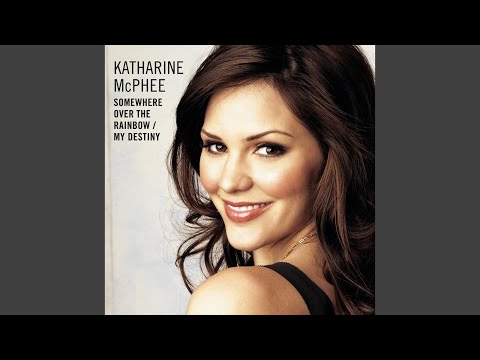
My Destiny arrived as McPhee's first official single in July 2006, debuting on the Billboard Hot 100 on July 15, 2006 at position 60. That chart entry reflected the well-documented Idol bump, the wave of goodwill and public attention that surrounded contestants in the immediate aftermath of a season's conclusion, regardless of whether they won. The single climbed no further, and by its second week had fallen to 79 before departing the chart. Two weeks on the Hot 100, peaking at 60, was a compact chart run that mirrored the experience of many Idol runner-ups: significant initial enthusiasm followed by a rapid return to baseline as the next news cycle consumed public attention.
McPhee's Voice as the Asset
Whatever the commercial trajectory of My Destiny, the song provided an early showcase for what McPhee brought to the table as a recording artist. Her vocal instrument was mature and controlled beyond what casual television viewers might have expected. The production framed her voice in an adult-contemporary mode, opting for lush orchestration and an aspirational, sweeping quality appropriate to the title's themes. The song announced that McPhee was not being positioned as a teen-pop act but as something more aligned with the sophisticated pop and Broadway-adjacent territory that her classical training made credible.
The Context of Summer 2006
The summer of 2006's pop landscape was dominated by a mix of hip-hop, R&B, and the kind of glossy pop that Nelly Furtado and Justin Timberlake were steering toward a funkier, more syncopated direction. In that context, the sweeping orchestral pop of My Destiny occupied a slightly older, more classically aligned niche. It was not trying to compete with what was dominating club playlists; it was targeting a different listener entirely. The adult contemporary format was its natural habitat, and that positioning was appropriate for McPhee's strengths, even if it limited the song's reach in the broader pop marketplace.
The Foundation for a Career That Evolved
Katharine McPhee went on to build a career that extended considerably beyond pop recording, finding significant success in musical theater and on Broadway, where her vocal abilities found perhaps their most natural context. My Destiny now reads as the opening chapter of a career story that took genuine unexpected turns. It established her seriousness as a vocalist even as the commercial machinery around it produced modest results. Hear the song now and you hear a voice that was already looking past the television contest that launched it toward something more lasting. The scale of McPhee's subsequent theatrical success would eventually reframe this debut single as the opening move in a longer and more interesting story than anyone could have predicted from a two-week chart run in the summer of 2006.
The Record's Place in the Season Five Narrative
American Idol's competitive season had established McPhee as someone capable of sustained emotional delivery night after night under high-pressure conditions. My Destiny gave her the chance to demonstrate that same capability in a studio recording, with full orchestral support and without the time constraints of a live television performance. The result was a record that bore her voice confidently, proving that what audiences had heard on television was no artifact of in-the-moment adrenaline but a genuine and reproducible artistic capability.
"My Destiny" — Katharine McPhee's singular moment on the 2000s charts.
02 Song Meaning
Aspiration and Arrival: The Meaning of "My Destiny"
The Architecture of Aspiration
My Destiny is built around one of popular music's most durable emotional architectures: the belief that one's life is moving toward something meaningful, that the struggles and the searching have a direction and a purpose. The thematic content is fundamentally optimistic, asserting a kind of earned confidence in the future. The word "destiny" itself carries enormous weight in the vocabulary of popular song, implying both inevitability and significance, the sense that what is coming was always coming, and that it is worth arriving for.
Post-Competition Confidence
In the context of McPhee's situation in summer 2006, the song's themes of moving forward with confidence and purpose carried a specific biographical resonance. A runner-up on a nationally watched competition could easily have been framed, by herself or by others, as a story of near-miss and disappointment. Choosing a debut single about destiny and forward movement was a deliberate reframe, asserting that where she was going mattered more than where she had just come from. Whether intentionally or not, the song served as a kind of emotional mission statement for the career she was embarking upon.
The Power Ballad Tradition
The genre conventions McPhee's debut occupied had deep roots in the power ballad and inspirational pop traditions: orchestral swells, a vocal performance that climbs in intensity through the chorus, lyrics that mix personal journey with universal aspiration. Those conventions exist because they work. They have worked for decades because the emotional territory they map, the desire to believe that one's life has shape and direction and purpose, is perennial. My Destiny participated in that tradition honestly and competently, making no pretense of reinvention while delivering the emotional payload the form promises.
Resonance for the Idol Generation
American Idol was, at its cultural core, a show about people pursuing their defining moment in public, under scrutiny, with everything on the line. Its audience understood deeply what it felt like to watch someone reach for something larger than their current circumstances. That shared emotional vocabulary made the themes of a song like My Destiny immediately legible to the show's audience: they had spent months watching McPhee do exactly what the song described, moving toward something with everything she had. The song and the narrative around it reinforced each other in ways that made the single's initial chart placement larger than a bare commercial assessment might suggest. The aspirational template the song offered was one that the show's audience had been primed to receive: they had watched someone work toward a defining moment for months, and the debut single gave them a way to extend their investment in that journey into the commercial music market. That was not merely luck; it was coherent strategic positioning built on a genuine emotional connection between artist and audience. When the song and the audience are this well matched at the moment of release, even a two-week chart run represents something more than a number. It represents a successful communication of feeling across the distance between performer and listener, which is ultimately the only thing that matters about any piece of recorded music.
→ More from Katharine McPhee
View all Katharine McPhee hits →
→ More from the 2000s File
View all 2000s hits →



Keep digging