The 2000s File Feature
Rodeo
Rodeo — Juvenile (2005) Juvenile stands as one of the essential figures in the history of New Orleans hip-hop, a city whose musical culture has produced some…
01 The Story
Rodeo — Juvenile (2005)
Juvenile stands as one of the essential figures in the history of New Orleans hip-hop, a city whose musical culture has produced some of the most influential sounds in American popular music history. His partnership with Cash Money Records throughout the late 1990s and into the 2000s produced landmark recordings that shaped the development of Southern rap and contributed directly to the sonic vocabulary that would come to dominate hip-hop in the following decade. "Rodeo," released in 2005, came during a period when Juvenile was working to reestablish his commercial footing following a period away from Cash Money, and it demonstrated that his distinctive approach to New Orleans rap retained its appeal even as the broader landscape of the genre was shifting around him.
"Rodeo" was released in 2005 as part of Juvenile's album "Reality Check," which came out through Atlantic Records and Cash Money Records. The album marked a significant moment for the artist, who had experienced both extraordinary commercial success with "Ha" in 1998 and "Back That Azz Up" the same year, and periods of professional difficulty including a publicized separation from Cash Money founder Birdman. By the time "Rodeo" appeared, Juvenile had negotiated his way back to the label he had helped build and was working within a revitalized creative partnership.
"Rodeo" became one of the most commercially successful singles of Juvenile's career, reaching the top ten on the Billboard Hot Rap Tracks chart and generating significant radio airplay in markets where Southern rap had established a strong foothold. The track's appeal extended beyond core hip-hop audiences to reach mainstream radio programmers who recognized its crossover potential, a dimension of Juvenile's commercial profile that had been evident since "Back That Azz Up" crossed over to pop radio in 1998 and 1999.
The production on "Rodeo" reflects the influence of Mannie Fresh, the Cash Money in-house producer whose distinctive sonic signature had been central to defining the label's sound throughout its most commercially potent period. Fresh's production approach, characterized by synthesizer-driven melodies, bouncing bass lines, and percussion arrangements that bridged between hip-hop and second-line New Orleans rhythmic traditions, gave Juvenile's vocals a platform that was simultaneously distinctive and accessible. The "Rodeo" production maintained these qualities while also demonstrating an evolution in the sonic palette appropriate to the mid-2000s market.
The song's release came before Hurricane Katrina devastated New Orleans in August 2005, and its place in Juvenile's discography therefore sits at the threshold of one of the most significant events in the city's modern history. In the aftermath of the storm, Juvenile became one of the most prominent artistic voices addressing the tragedy, particularly through his subsequent single "Get It Vacuumed," which directly addressed the displacement of New Orleans residents and the inadequacy of the federal government's response. This subsequent work gave "Rodeo" an inadvertent poignancy as one of the last major recordings from Juvenile's New Orleans before the flood.
Juvenile's lyrical approach on "Rodeo" exemplifies the stylistic elements that had made him one of the most distinctive voices in Southern rap. His New Orleans accent, the rhythmic patterns of his delivery rooted in the city's specific vernacular traditions, and his ability to maintain narrative momentum across extended verses all contributed to making his recordings immediately identifiable. The "Rodeo" track showcased these qualities in a format designed for maximum commercial impact without sacrificing the regional specificity that had always been central to his artistic identity.
The commercial context in which "Rodeo" appeared was one in which Cash Money Records was in the process of rebuilding its commercial profile after a period of relative quiet, and Lil Wayne was beginning the ascent that would make him one of the best-selling hip-hop artists of the subsequent decade. Juvenile's success with "Rodeo" was therefore part of a larger story about Cash Money's continued relevance as an institution, even as the personnel and sonic focus of the label evolved significantly from its late-1990s peak.
The track has maintained a presence in retrospective discussions of mid-2000s Southern hip-hop, appearing on compilations and in conversations about the era that tend to acknowledge its role in sustaining Juvenile's commercial and critical profile during a transitional period for both the artist and the label with which his career was most closely identified.
02 Song Meaning
Meaning and Themes in "Rodeo"
"Rodeo" engages with themes that run consistently through Juvenile's catalog: street-level social dynamics, material aspiration, romantic and sexual confidence, and the particular texture of life in New Orleans as experienced from within its specific communities and vernacular traditions. The song presents its narrator as someone who has achieved a certain kind of success and is navigating the social world that comes with that position, alert to both its pleasures and its complications.
The rodeo metaphor that provides the song's title functions as a governing image for unpredictability and skilled navigation of difficult circumstances. The rodeo is a space where controlled chaos is the point, where the display of skill consists precisely in maintaining composure and direction amid conditions designed to unseat the rider. Applied to the social and romantic terrain the song describes, this image captures Juvenile's characteristic self-presentation as someone who maintains his footing regardless of whatever complications the world presents.
Juvenile's New Orleans vernacular is always thematically significant in its own right, not merely as a stylistic texture but as a declaration of cultural identity and geographic loyalty. His recordings have consistently presented New Orleans Black vernacular culture as a source of creative richness and community pride, and "Rodeo" continues in this tradition. The specific rhythms of his delivery, drawn from the city's distinctive speech patterns, carry meaning that transcends the content of any individual lyric, functioning as a kind of ongoing testimony to the cultural vitality of the community he represents.
The song's treatment of masculine confidence operates within the established conventions of Southern rap braggadocio while also demonstrating Juvenile's particular capacity for self-deprecating humor and narrative specificity that prevent his work from feeling generic. His best recordings have always balanced the expected assertions of dominance and capability with moments of genuine personality that make the narrator feel like a particular human being rather than a type. "Rodeo" demonstrates this balance, presenting its confident narrator with enough specificity to feel real.
The track also participates in a broader tradition of New Orleans musical storytelling that extends well beyond hip-hop into brass band music, blues, and the various hybrid forms that the city's exceptional musical culture has produced across more than a century. This tradition tends to treat the street, the neighborhood, and the social gathering as primary sites of meaning, and Juvenile's music consistently honors this orientation, placing his narratives in specific social environments and letting those environments generate much of the song's emotional texture.
In the context of Juvenile's career arc, "Rodeo" carries the additional meaning of persistence and professional resilience. The song arrived during a period when Juvenile had demonstrated his ability to weather industry difficulties, rebuild relationships, and return to commercial prominence, and the confident tone of the track therefore reads as something more than generic bravado. It reflects the earned self-assurance of someone who has actually navigated the complications the rodeo metaphor describes, not just claimed the ability to do so. This dimension of authenticity is one of the qualities that has sustained Juvenile's reputation as one of the more credible figures in the history of Southern hip-hop.
→ More from Juvenile
View all Juvenile hits →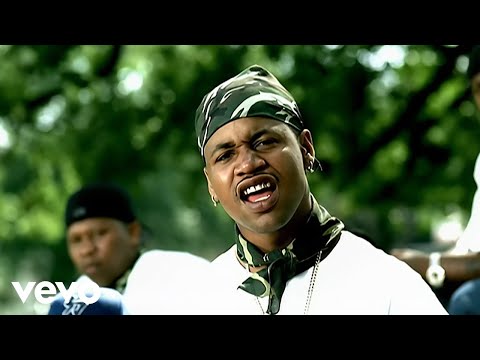
→ More from the 2000s File
View all 2000s hits →
Keep digging