The 2000s File Feature
First Dance
First Dance — Justin Bieber Featuring Usher The Discovery of a Phenomenon Late 2009 was the precise moment when Justin Bieber went from YouTube sensation to …
01 The Story
First Dance — Justin Bieber Featuring Usher
The Discovery of a Phenomenon
Late 2009 was the precise moment when Justin Bieber went from YouTube sensation to certified commercial reality. The story of his discovery is one of the music industry's most-told origin narratives: a talent manager named Scooter Braun stumbling across videos of a teenage boy from Stratford, Ontario, performing covers with a voice and a natural charisma that no amount of industry grooming could have manufactured. What followed was a carefully orchestrated introduction to the mainstream through a series of collaborations and releases that positioned the 15-year-old not as a novelty but as a genuine artist with genuine commercial potential.
Usher was central to this strategy. The R&B superstar had been one of the defining voices of 2000s pop, with a string of massive albums and singles that demonstrated his ability to move between adult contemporary, club music, and teen pop. His involvement in developing and promoting Bieber was both a mentorship and a strategic endorsement: if Usher vouched for you, the music industry paid attention. "First Dance" placed Bieber alongside his mentor on a single track, a symbolic passing of the torch that had obvious commercial logic.
The Sound of Teenage R&B in 2009
The musical landscape of late 2009 was a specific and interesting one. Auto-Tune had moved from an experimental production tool to a mainstream standard over the preceding year, partly due to T-Pain's influence and partly due to Kanye West's 808s and Heartbreak, which had reframed pitch correction as an emotional rather than merely technical device. R&B was absorbing these influences while maintaining its core emphasis on groove, melody, and emotional narrative.
"First Dance" is a smooth, mid-tempo R&B track that showcases Bieber's vocal ability alongside Usher's more established instrument. The production is polished without being sterile, built on the kind of warm, rhythmic bed that had characterized Usher's work throughout the decade. The track's subject matter is deliberately innocuous for a teen market: the experience of a significant social milestone, the first dance with someone special, rendered as both personal memory and universal adolescent experience.
A Single Week at Number 99
The Billboard Hot 100 debut of "First Dance" captures a very specific commercial moment. The track debuted on the chart at position 99 on December 5, 2009, spending one week in the Hot 100's lowest reaches. For a track associated with an artist who had not yet released a major-label debut album, this represents something significant: real commercial activity driven by an audience that was already paying attention to Bieber before his official mainstream launch.
The placement at 99 and the single-week stay reflects the promotional context accurately. "First Dance" was not the main event of Bieber's emergence; it was one piece of a carefully managed rollout that included other tracks, television appearances, and the machinery of Def Jam and RBMG Records preparing the ground for a debut album. The chart appearance confirmed that the audience existed and was ready to purchase and stream before Bieber had completed his official commercial launch.
A Debut Campaign Unlike Any Before
Justin Bieber's entry into the music mainstream in late 2009 and early 2010 was notable for how thoroughly it demonstrated the music industry's changed relationship with online platforms. The standard model of the 2000s had been to develop talent in house, build a promotional campaign, and launch through radio and television gatekeepers. Bieber's trajectory reversed this sequence: the audience had already found him online, and the industry was following the audience rather than leading it.
Usher's involvement in "First Dance" represented one of the bridges between the old model and the new. The established superstar's presence gave the track access to traditional industry infrastructure, radio programmers, media outlets, retail relationships, while Bieber's online fanbase provided a pre-built audience that made the traditional promotional work considerably easier. The combination was commercially effective even if the chart results for this particular track were modest.
The Beginning of a Massive Career
The significance of "First Dance" in Bieber's catalog is primarily historical rather than artistic. The track is not where Bieber would display his most developed artistic identity; that would come in later projects and collaborative records. What "First Dance" represents is a document of the beginning, of a moment before the full weight of commercial machinery was deployed, when a teenager from Ontario was still finding his footing in an industry that had already decided he was going to be a very big deal.
The career that followed confirmed that confidence: Bieber became one of the best-selling artists of his generation, with a string of number one albums and singles that exceeded the already ambitious expectations of his earliest champions. Press play and hear where it all began.
"First Dance" — Justin Bieber Featuring Usher's singular moment on the 2000s charts.
02 Song Meaning
First Dance — Meaning and Legacy
The Ritual of the First Dance
The "first dance" is one of adolescent social life's most charged rituals, carrying enormous symbolic weight for the age group that experiences it. School dances, proms, and informal gatherings all invest this specific moment, the moment of asking someone to dance and being accepted, with layers of meaning about desire, vulnerability, social belonging, and the terrifying exhilaration of romantic beginnings. "First Dance" understands this territory instinctively and occupies it with appropriate reverence and warmth.
The track's emotional core is the memory-making quality of these early romantic experiences, the sense that this particular moment is being inscribed into the permanent record of who you are and who you will become. The specific setting matters less than the emotional stakes, which the song renders with a universality that allows listeners across different social contexts to map their own experiences onto the narrative.
Youth and Innocence as Commercial Positioning
The decision to give Bieber's early single a subject matter this deliberately wholesome reflected careful thinking about how to introduce a teenage artist to a mainstream audience. The track's PG emotional content positioned Bieber as safe for young listeners while maintaining genuine musical quality that could appeal to an older demographic as well. This cross-demographic appeal was central to the commercial strategy surrounding his launch: he needed to be someone parents would approve of as readily as their children did.
Usher's presence reinforces this positioning by adding R&B credibility without introducing anything that might alarm the parental gatekeepers who controlled access to the youngest tier of the consumer market. The collaboration reads as aspirational rather than provocative, a mentor-protege relationship rendered in musical form.
Nostalgia Built in Real Time
One of popular music's most reliable emotional mechanisms is the construction of nostalgia in real time, the way that a song absorbed during a formative experience becomes permanently associated with that experience and capable of instantly resurrecting it years later. "First Dance" was designed to function precisely this way for its target audience, to become the song that played at a specific significant moment and that would thereafter carry that moment inside it forever.
The track achieves this goal through its combination of romantic subject matter, warm production, and the youthful voices of both performers. A teenager listening in late 2009 would hear in Bieber's delivery something that sounded genuinely close to their own experience, the uncertainty and excitement of nascent romantic feeling rendered by someone their own age rather than a distant adult performer.
A Mentor's Gift
Usher's contribution to "First Dance" is worth examining as more than a commercial gesture. By the late 2000s, Usher had already navigated his own experience of teen celebrity through My Way in the late 1990s and his subsequent growth into adult R&B stardom. He had direct experience of the trajectory Bieber was beginning, and his presence on this early single carries a kind of earned wisdom alongside the commercial calculation. The choice of material here, a gentle coming-of-age romance rather than something more overtly adult, suggests a protective instinct around the younger artist's image as much as a promotional strategy.
For listeners returning to the track years later, the pairing of two artists at such dramatically different stages of their careers gives the song an additional layer of meaning. Usher's voice, already a known quantity with years of commercial history behind it, frames Bieber's voice as something new and emerging, a continuity between one generation's dominant R&B voice and the next one waiting to inherit the space.
"First Dance" — Justin Bieber Featuring Usher's singular moment on the 2000s charts.
→ More from Justin Bieber Featuring Usher
View all Justin Bieber Featuring Usher hits →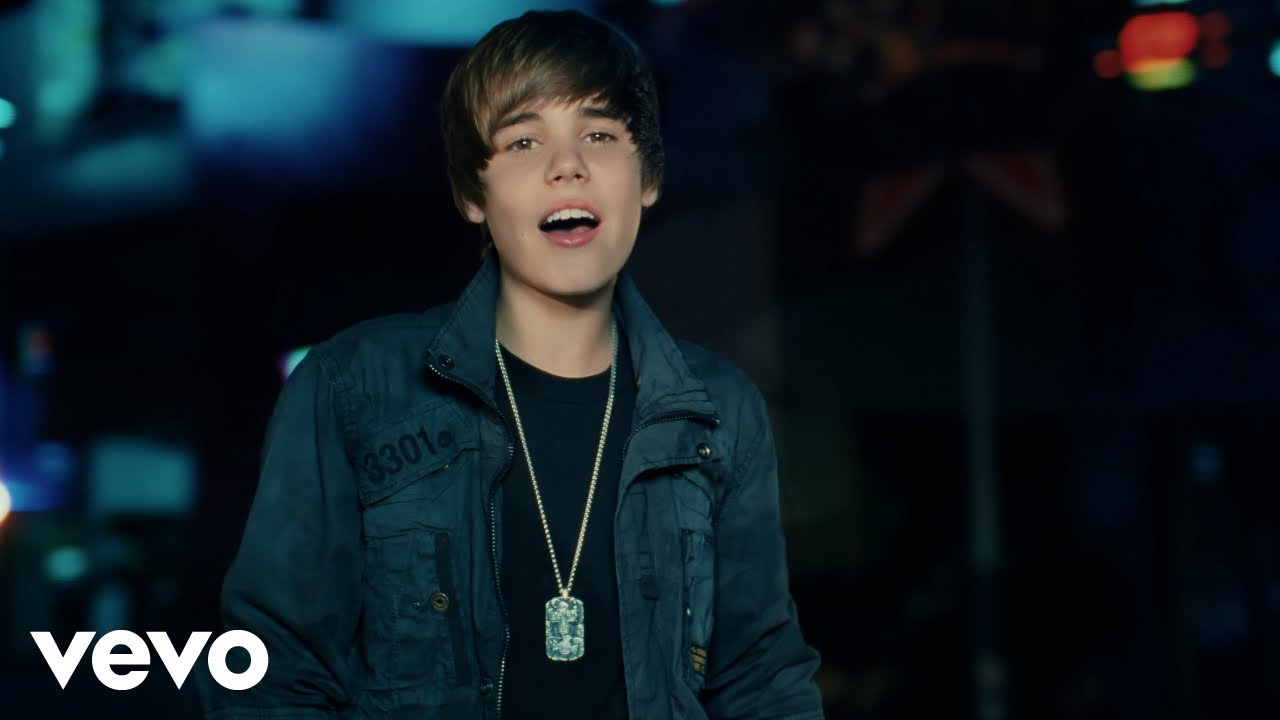


→ More from the 2000s File
View all 2000s hits →
Keep digging