The 2000s File Feature
Burnin' Up
Burnin' Up — Jonas Brothers (2008) By the summer of 2008, the Jonas Brothers were operating at the apex of a pop machine that Disney Channel had spent two ye…
01 The Story
Burnin' Up — Jonas Brothers (2008)
By the summer of 2008, the Jonas Brothers were operating at the apex of a pop machine that Disney Channel had spent two years carefully constructing. Kevin, Joe, and Nick Jonas had released two studio albums, toured relentlessly, and become the faces of a teen-pop moment that recalled the manufactured fever of boy bands a decade earlier. Their third studio album, "A Little Bit Longer," was released on August 12, 2008, through Hollywood Records, and debuted at number one on the Billboard 200 with first-week sales of 525,000 copies. "Burnin' Up," the album's lead single and opening track, was already in heavy rotation on radio before the album dropped, serving as the announcement that the Jonas Brothers had moved beyond their Disney origins and were competing seriously in the mainstream pop-rock space.
The song was produced by John Fields, who had developed a close working relationship with the band and shaped much of their sonic identity during this period. Fields brought a crisp, radio-ready energy to the track, layering electric guitar riffs over a driving beat and glossy production sheen that placed "Burnin' Up" firmly in the tradition of arena-ready teen pop-rock. The arrangement drew on classic rock dynamics, particularly in its guitar-forward verses and punchy chorus, while remaining accessible enough to dominate Top 40 airplay. Rap artist Big Rob appeared on the track in an interlude section, a choice that added a playful novelty element and became one of the song's most memorable moments for younger listeners.
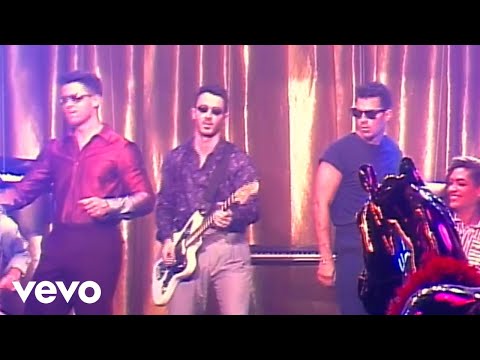
"Burnin' Up" was released as a single on June 17, 2008, and debuted on the Billboard Hot 100, eventually reaching number five on the chart. The song also performed exceptionally well on the Hot Digital Songs chart and received substantial airplay on pop stations nationwide. Its success was amplified by a theatrically staged music video directed by The Malloys, which leaned heavily into teen-heartthrob imagery while incorporating a comedic subplot that softened the track's more assertive romantic posturing. The video received heavy rotation on MTV and Disney Channel simultaneously, a dual-platform advantage that very few acts could claim during that era.
The summer of 2008 saw the Jonas Brothers become a genuine cultural phenomenon. Their concert film "Jonas Brothers: The 3D Concert Experience" was already in development, and the band had recently completed a massive national tour. Disney Channel's promotional machinery was fully engaged, cross-promoting the brothers across television, radio, and merchandise in a campaign that made "Burnin' Up" nearly inescapable during the months surrounding its release. The song received significant airplay on Radio Disney, which served as a powerful amplifier for acts in the Disney ecosystem, but its pop crossover success demonstrated that the Jonas Brothers had achieved a level of mainstream penetration that went well beyond their core Disney audience.
Critical reception to "Burnin' Up" was mixed in the way that most teen-pop of the era was received: music critics acknowledged the craft and polish of the production while expressing skepticism about the group's artistic ambitions. Rolling Stone noted the band's knack for hooks while remaining somewhat condescending about the broader Jonas Brothers phenomenon. More important to the band's trajectory, however, was the enthusiasm of their audience. Jonas Brothers fans, known as "Jonatics," drove chart performance through digital downloads at a scale that reflected the emerging dominance of digital sales over physical retail in the late 2000s.
The song was certified platinum by the Recording Industry Association of America, reflecting strong sustained sales and download activity in the months following its release. It became a centerpiece of the brothers' live concert performances throughout 2008 and beyond, typically serving as a high-energy opening number that immediately detonated the crowd. Its place in the setlist for the "Burning Up Tour" of 2008, one of the most commercially successful concert tours of that summer, cemented its status as a signature track for the group.
The "Burnin' Up" single also benefited from favorable timing. The pop landscape of 2008 was largely defined by artists who could deliver melodic, high-energy tracks that worked equally well on radio and on touring stages, and the Jonas Brothers delivered exactly that. They were competing on the charts during a period that included Katy Perry's "I Kissed a Girl," Lil Wayne's dominant run with "Lollipop," and Rihanna's "Take a Bow," a diverse chart environment that made the brothers' guitar-forward teen pop stand out rather than blend in.
The band performed "Burnin' Up" on numerous national television programs throughout 2008, including appearances on "The Today Show" and "Good Morning America," and the song became closely associated with the peak of the original Jonas Brothers era. When the group went on hiatus in 2013 and later reunited in 2019, "Burnin' Up" remained one of the tracks audiences most eagerly anticipated at live shows. Its durability across more than a decade is a testament to the song's efficient construction as a pop artifact designed to imprint on listeners of a particular age and never fully let go.
The production, the promotional infrastructure, and the timing all aligned to make "Burnin' Up" one of the defining pop singles of the 2008 summer season, and its chart performance remains a reference point for discussions of how teen pop interacted with mainstream chart dynamics in the years before streaming fully reorganized the industry.
02 Song Meaning
What "Burnin' Up" Means in the Jonas Brothers' Story
"Burnin' Up" presents a fairly uncomplicated emotional premise: a narrator consumed by attraction to someone who remains just out of reach. The song operates in the tradition of rock-inflected teen love declarations, pairing the physical metaphor of heat and combustion with the social dynamics of adolescent desire. The central tension is straightforward, the narrator is overwhelmed by feelings he struggles to contain, and the object of his affection seems both alluring and somewhat indifferent to the power she holds. This dynamic gave the Jonas Brothers a framework that their predominantly teenage audience could immediately recognize from their own emotional lives, making the song feel personal despite its polished production.
The use of heat and fire as metaphors for romantic obsession is one of the oldest conventions in popular song, but the Jonas Brothers deployed it within a specific early-21st-century context that connected the track to the anxieties and intensities of adolescence in the social media age. The narrator's emotional state is extreme and somewhat helpless, which is precisely the register that resonated most powerfully with listeners navigating their first experiences of romantic feeling. The song does not offer resolution or ironic distance. It simply presents desire at full temperature, and that sincerity was a significant part of its appeal.
The appearance of Big Rob's rap interlude introduced a tonal shift that functioned almost as comic relief, breaking the earnest romanticism of the verses and chorus with something self-aware and playful. This structural choice reflected an understanding of how teen-pop audiences consumed music: they wanted both the emotional charge of genuine romantic sentiment and the permission to enjoy it without taking it entirely seriously. The interlude gave listeners an exit from the intensity, a moment to laugh before the chorus pulled them back into the emotional core of the song.
Within the context of the Jonas Brothers' catalog at that time, "Burnin' Up" represented something of a tonal shift toward a more assertive, rock-forward identity. Their earlier work had leaned into a softer, more vulnerable presentation of young male emotion. This track introduced more swagger, placing the brothers in the tradition of guitar-based pop acts who used volume and energy to project confidence rather than sensitivity. That pivot was important for the group's commercial trajectory, allowing them to appeal to a broader range of pop-rock listeners while retaining their core fanbase.
The song also functions as a document of a particular kind of celebrity in the late 2000s, when acts like the Jonas Brothers occupied a unique cultural position as objects of intense public affection for millions of teenagers simultaneously. The heat metaphor takes on additional resonance in that context: the song's narrator could be read as describing not just a private romantic experience but the experience of being surrounded by an audience of enormous emotional investment. Whether intentional or not, that reading gave the track an extra layer of meaning for listeners who understood that the brothers themselves were the subjects of exactly the kind of obsessive attention the song described.
For Nick Jonas in particular, "Burnin' Up" marked an early moment in his development as a distinctive songwriter and vocalist within the trio. His vocal performance on the track carries more assertiveness than his earlier work, and his co-writing credit reflected the growing creative role he was beginning to claim within the group. The song thus stands as a milestone in his progression from child performer to adult artist, a trajectory that would eventually lead to his successful solo career.
Across the longer arc of the Jonas Brothers' story, "Burnin' Up" endures as the sound of a group at its most commercially potent and culturally present, a snapshot of a moment when three brothers from New Jersey briefly dominated the emotional landscape of American teenage life. That is no small thing to capture in a three-minute pop song, and the fact that the track still generates genuine excitement at their concerts more than fifteen years after its release suggests it achieved something that transcends its era.
→ More from Jonas Brothers
View all Jonas Brothers hits →


→ More from the 2000s File
View all 2000s hits →


Keep digging