The 2000s File Feature
These Boots Are Made For Walkin'
These Boots Are Made For Walkin' by Jessica Simpson The summer of 2005 had a particular kind of pop spectacle, all glossy production, blockbuster movie tie-i…
01 The Story
"These Boots Are Made For Walkin'" by Jessica Simpson
The summer of 2005 had a particular kind of pop spectacle, all glossy production, blockbuster movie tie-ins, and stars who were as famous for their personalities as their music. Right in the middle of it stood Jessica Simpson, reviving a classic with a flashy, tongue-in-cheek update built to soundtrack a major Hollywood release. The result is pure summer popcorn, a confident strut of a song designed to make a splash.
A Pop Star Goes Hollywood
By 2005, Jessica Simpson had grown beyond her pop-singer beginnings into a full-fledged celebrity, her life and personality familiar to millions through television and tabloids. She was branching into acting, and this single was tied directly to that move. The song was recorded for the soundtrack of The Dukes of Hazzard film, in which Simpson starred, making the track as much a piece of movie marketing as a standalone single. It was a calculated, high-profile play designed to launch her screen career with maximum visibility.
A Flashy Update of a Classic
The song is a reworking of a famous 1960s hit, originally a sly, sassy anthem of female defiance. Simpson's version amps up the glamour and the wink, leaning into a playful, slightly campy energy that matched her public image and the lighthearted spirit of the film. The production is big and contemporary, dressing the familiar melody in modern pop gloss. It is unapologetically commercial, a cover designed less to reinvent the original than to package its attitude for a new pop audience. There is no pretense of artistic reinvention here, and that honesty about its own purpose is part of its charm; the song knows exactly what it is and never apologizes for it.
A Star at the Peak of Visibility
The single arrived at a fascinating moment in Jessica Simpson's career, when she was arguably more famous as a personality than as a singer. Her reality television presence and constant tabloid coverage had made her a household name far beyond the music charts, and that visibility was both a blessing and a complication. This song leaned fully into her celebrity, using her fame and the high-profile film tie-in to guarantee attention. The flashy, glamorous presentation matched a public image built as much on charm and personality as on vocal talent. In that sense the single is less about the music itself than about the larger machinery of mid-2000s celebrity, a moment when stars, studios, and pop singles were marketed as a single glossy package. It captures Simpson at the height of a particular kind of fame that the culture of the time made possible.
A Quick Spike on the Hot 100
The single made an immediate splash before fading relatively fast, a pattern typical of soundtrack-driven hits. The single debuted on the Billboard Hot 100 at number 33 on July 16, 2005, a strong start fueled by the film's promotion. It rocketed to its peak of number 14 in its very second week, on July 23, 2005, then began to slide as the initial buzz cooled. The track spent 11 weeks on the Hot 100, a brisk run that delivered a high peak but not a long stay, reflecting its nature as a heavily marketed summer release rather than a slow-building radio staple.
A Snapshot of Mid-2000s Celebrity Pop
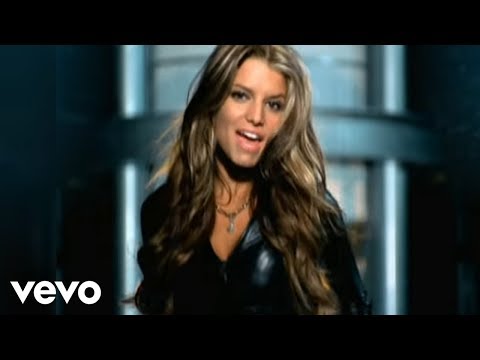
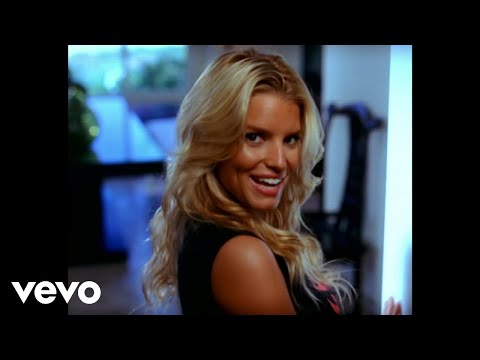
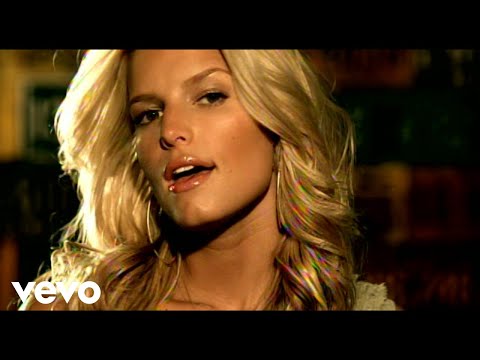
The song endures as a perfect time capsule of an era when pop stars, movies, and celebrity culture were tightly intertwined. Its music video has gathered more than 39 million YouTube views, keeping its glossy, playful spirit alive. It captures Jessica Simpson at the height of her cultural visibility, a star comfortable winking at her own image while strutting through a big-budget summer spectacle.
Press play and enjoy the strut; this is mid-2000s celebrity pop at its most gleefully over-the-top.
"These Boots Are Made For Walkin'" — Jessica Simpson's singular moment on the 2000s charts.
02 Song Meaning
The Meaning Behind "These Boots Are Made For Walkin'" by Jessica Simpson
At its core, the song carries a message of female independence and defiance, the same spirit that powered the original decades earlier. It is a declaration that the singer will not be mistreated, that she holds the power to walk away from anyone who does her wrong. Simpson's version wraps that message in glamour and playfulness, but the backbone of empowerment remains.
A Warning to a Cheating Partner
The lyrics address a partner who has been unfaithful or dishonest, putting him on notice that his behavior will have consequences. The boots of the title become a symbol of agency, the means by which the singer will simply walk out of the relationship on her own terms. It is a confident, no-nonsense stance, a refusal to be played for a fool.
Empowerment With a Wink
Simpson's rendition leans into a flirtatious, knowing tone, balancing the song's assertiveness with a sense of fun. The empowerment is real but playful, more strut than fury. That lightness suited both her public persona and the comedic film it accompanied, turning a song about standing up for yourself into a piece of glamorous entertainment that never takes itself too seriously.
A Classic Message for a New Era
By updating a 1960s anthem of female defiance, the song carried an old idea into a new cultural moment. It connected a vintage statement of independence to mid-2000s pop culture, reminding a younger audience of a message that never goes out of style. The mix of retro attitude and contemporary gloss gave the cover its particular appeal.
Why It Resonated
The song connected because its message of refusing to be mistreated is timeless and satisfying. Everyone enjoys the fantasy of walking away with their head held high, and the track delivers that feeling with a catchy, familiar melody. That combination of empowerment, nostalgia, and pure pop fun is exactly why Simpson's version found a wide and appreciative audience. The original song had endured for decades precisely because its core idea, the refusal to be mistreated, speaks to something people of every generation feel. Simpson's update did not need to deepen that message; it simply had to deliver it with enough energy and glamour to make it land for a new crowd, and it succeeded on those terms. Listeners got the satisfaction of a familiar empowerment anthem dressed in contemporary gloss, a combination that asked nothing of them but a willingness to enjoy the strut. In the end, the song works because the feeling at its heart, the confidence of someone ready to walk away, never stops being satisfying to sing along to.
→ More from Jessica Simpson
View all Jessica Simpson hits →

→ More from the 2000s File
View all 2000s hits →




Keep digging