The 2000s File Feature
The Hand Clap
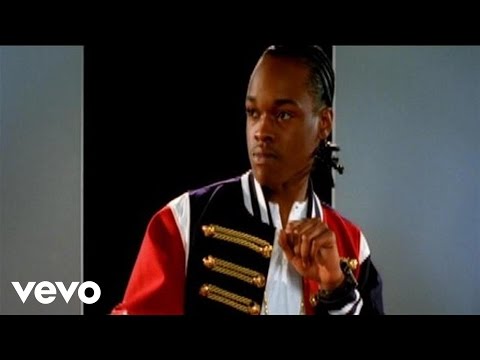
The Hand Clap by Hurricane Chris Featuring Big Poppa Imagine a Louisiana club in 2007, where the bass is so heavy it rearranges your ribcage and the whole ro…
01 The Story
"The Hand Clap" by Hurricane Chris Featuring Big Poppa
Imagine a Louisiana club in 2007, where the bass is so heavy it rearranges your ribcage and the whole room is moving in unison to a beat built for one purpose: to make you dance. This is the world that produced Hurricane Chris, a young rapper from Shreveport who arrived with a sound rooted in the regional energy of Southern hip-hop and a gift for chants that lodged themselves in your skull. He had already made noise with a breakout single, and "The Hand Clap" was the follow-up meant to keep the party going.
A Rapper Riding the Southern Wave
The late 2000s were a golden stretch for Southern hip-hop's club anthems, when ringtone rap and snap music dominated the airwaves and the dance floor ruled the conversation. Hurricane Chris fit neatly into that landscape. His music prioritized rhythm, repetition, and immediacy over dense lyricism, and that was exactly what the moment wanted. "The Hand Clap" teamed him with collaborator Big Poppa, and the two leaned hard into a track designed around a simple physical instruction that doubled as a hook.
Built for the Floor
The song does precisely what its title promises. It centers on a clap-along rhythm and a chant that invites the whole crowd to participate, turning passive listeners into active members of the party. The production is sparse and punchy, all bounce and bass, leaving plenty of space for the vocal chants to drive the energy. It was music engineered for ringtones, clubs, and car speakers, a track whose appeal was felt in the body before it was processed in the mind.
The Chart Performance
On the Billboard Hot 100, "The Hand Clap" had a brief but real run. It debuted at number 96 on November 3, 2007, then leapt to its peak of number 72 on November 10, 2007 in only its second week. From there it cooled, sliding to number 78 and then drifting lower as the weeks passed. The song spent six weeks on the Hot 100 in total. That quick spike and gradual fade was typical of club tracks of the era, which often burned bright and bright fast before the next anthem took over.
The Sound of the Late-2000s South
To place the song properly, you have to understand the cultural moment that produced it. The late 2000s were a period when Southern hip-hop held an iron grip on the mainstream, and a particular strain of it thrived on simplicity and physicality. Snap music, crunk's aftershocks, and chant-driven club records dominated the radio and the ringtone market, which was then a genuine force in breaking new songs. Artists from cities across the South built hits around catchphrases and dance instructions, prioritizing the body over the brain. Hurricane Chris came up squarely in that tradition, and "The Hand Clap" embodies its values completely, all bounce and chant and immediate physical appeal, a track that made perfect sense in the context of its scene.
A Snapshot of an Era
Hurricane Chris never became a long-term fixture of the mainstream charts, but his music captures a specific flavor of late-2000s rap that fans of the period remember fondly. "The Hand Clap" is a document of a time when regional Southern sounds were shaping the national pop landscape, when a chant and a beat could fill a club from wall to wall. The song belongs to a specific stretch of nightlife history, the soundtrack to countless parties and school dances across the country. Its nine million YouTube views testify to the nostalgia it still stirs in people who lived through that scene.
Turn it up and let the clap pattern take over the room the way it did back in 2007. Some songs are made for thinking, and some are made for moving, and this one knows exactly which it is.
"The Hand Clap" — Hurricane Chris' singular moment on the 2000s charts.
02 Song Meaning
The Meaning Behind "The Hand Clap"
Not every song aims to say something profound, and "The Hand Clap" is refreshingly honest about its goals. This is party music in its purest form, a track built around a single, irresistible invitation: clap your hands and lose yourself in the rhythm. Its meaning lives less in any lyrical message and more in the experience it creates on the dance floor.
The Joy of Pure Movement
At its heart, the song is about release through motion. The chant and the clap pattern function as a kind of instruction manual for fun, guiding the listener into the groove and asking nothing more than participation. That immediacy is the whole point, a deliberate stripping away of complexity so the body can take over. It celebrates the simple physical pleasure of being in a room full of people all moving to the same beat.
Community on the Dance Floor
There is a communal spirit baked into the structure. By centering the song on a group action, it transforms a crowd into a unified mass, everyone clapping together, everyone part of the same moment. This sense of shared participation is what gives club anthems like this their lasting charge, turning individual listeners into a collective experience that feels bigger than any one person.
A Product of Its Scene
The track also reflects the priorities of late-2000s Southern hip-hop, a scene that prized energy, catchiness, and danceability above all. The chant-based hook was a regional signature, a way of making music that worked in the club before it worked anywhere else. Understanding the song means understanding the culture that made it, where the dance floor was the proving ground and a great chant was its own kind of artistry.
Simplicity as a Strategy
It would be a mistake to read the song's simplicity as a lack of craft. Building a track around a single physical action that an entire room can perform together is its own kind of skill, and getting it to feel effortless is harder than it looks. The chant has to be catchy enough to remember instantly and easy enough to follow without thinking. That deliberate accessibility is the whole design, a calculated choice to make participation as frictionless as possible. The song asks nothing of the listener except to join in, and that low barrier to entry is precisely what makes it work in a packed club.
Why It Still Works
The reason a track like this endures is that its purpose never expires. People will always want music that gets them moving and asks nothing in return. The song's appeal is rooted in feeling rather than thought, in the uncomplicated joy of clapping along with a crowd. That kind of pleasure is timeless, and it is exactly what keeps the song alive in the memories of those who danced to it.
→ More from Hurricane Chris Featuring Big Poppa
View all Hurricane Chris Featuring Big Poppa hits →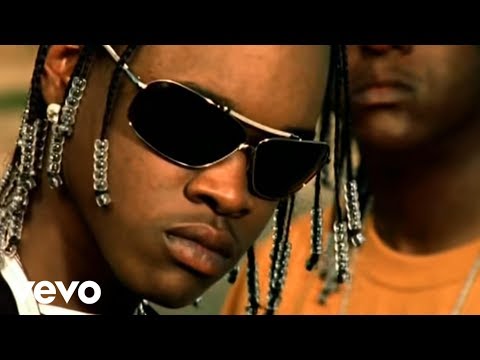
→ More from the 2000s File
View all 2000s hits →




Keep digging