The 2000s File Feature
Just Like You
Just Like You: Hannah Montana's Defining Statement on Identity and Double Lives "Just Like You" was among the most thematically central songs in the debut Ha…
01 The Story
Just Like You: Hannah Montana's Defining Statement on Identity and Double Lives
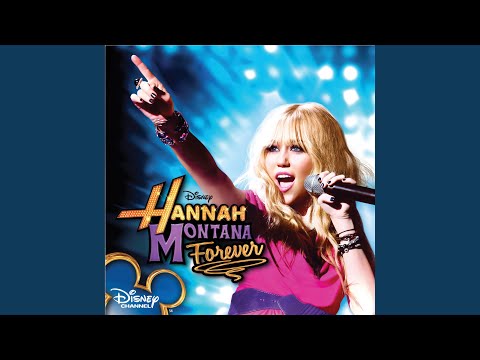
"Just Like You" was among the most thematically central songs in the debut Hannah Montana soundtrack, which was released by Walt Disney Records in October 2006. The song appeared as part of the album accompanying the Disney Channel television series that had launched earlier that year, and it served a specific narrative function within the show's premise: giving voice to the emotional reality of a character who lived simultaneously as an ordinary teenager and as a pop star. That narrative hook gave the song an unusually direct relationship with the fictional world it emerged from.
The series starred Miley Cyrus as Miley Stewart, a regular girl who secretly maintained a second identity as the pop star Hannah Montana. The show had been conceived by Michael Poryes, Rich Correll, and Barry O'Brien, and had debuted in March 2006 to strong ratings that quickly established it as one of Disney Channel's most successful properties. The soundtrack was designed to extend the show's reach into the music market while reinforcing its themes through song, and "Just Like You" was the track that most directly addressed the series' central emotional premise.
The song was written specifically to articulate what the Hannah Montana character would want an ordinary audience to understand: that fame and celebrity do not remove a person from the experiences and feelings that define common humanity. This was both a narrative necessity for the show's premise and a message with genuine appeal to the show's young audience, many of whom were drawn to the idea that their favorite star understood their lives from the inside.
Production on the Hannah Montana soundtrack was handled with the kind of care Disney typically brought to projects it had identified as major commercial and promotional priorities. The sonic approach was clean and melodically strong, built for the Disney Channel audience but polished enough to function on mainstream pop radio. Miley Cyrus was fourteen years old when the series debuted, and the production team crafted material that suited her developing voice while keeping the songs accessible and memorable.
The Hannah Montana soundtrack was an extraordinary commercial success. It debuted at number one on the Billboard 200, an achievement that surprised many industry observers and underscored the depth of the show's cultural penetration in its first year on air. The album's success established a template that Disney Channel would follow across subsequent soundtrack releases tied to its major properties, proving that the network's audience was not only large but commercially engaged in ways that translated directly to music sales.
The album sold over three million copies in the United States, earning multi-platinum certification and remaining on the charts for an extended period. This level of commercial performance was exceptional for a soundtrack album and placed it in the company of significantly more mainstream releases in terms of sales impact. The success validated Disney's strategy of using the television platform to build music careers, a strategy that would reach its apex with subsequent projects involving Cyrus and other network stars.
"Just Like You" received considerable airplay on Radio Disney and was featured prominently in the promotional campaign for the show and the soundtrack album. The song was performed in concert contexts as the Hannah Montana touring concept developed, and it became one of the tracks most associated with the character and the show's early identity. Audiences who had grown attached to the series found in the song a condensed version of what they loved about the narrative.
For Miley Cyrus, the Hannah Montana project as a whole was a career-launching vehicle of extraordinary power, and songs like "Just Like You" were instrumental in establishing the persona that would generate enormous commercial momentum over the following several years. The duality the song described would eventually become a subject of considerable public reflection as Cyrus navigated her own transition from the Hannah Montana persona to her adult artistic identity, giving the song a retrospective dimension it could not have carried in 2006.
02 Song Meaning
The Double Life Examined: What "Just Like You" Means in the Hannah Montana Universe
"Just Like You" addresses one of the most enduringly interesting questions in pop culture: what lies beneath the constructed surface of celebrity? The song positions its narrator, the Hannah Montana character, as someone with privileged access to the answer. Having lived on both sides of the celebrity divide, as both an ordinary person and a famous one, she can report from experience that the famous version of a person has not transcended ordinary human experience but remains entirely subject to it. The song is, in essence, a claim of solidarity with its audience.
This emotional move, the star assuring the fan that the gap between them is smaller than it appears, has a long history in pop music, but the Hannah Montana context gave it unusual structural justification. Because the character literally maintained two identities, one famous and one ordinary, the claim that she was "just like you" was embedded in the show's premise rather than being an abstract aspiration. The song could make a promise that the narrative had already established as true within the show's fictional world.
The appeal of this premise for the target audience was significant and well-considered. Young viewers who identified with the character, who felt that they too had inner lives richer than their circumstances allowed them to express, could find in the song an affirmation of the value of that inner life. The song proposed that what mattered was not external status but internal experience, and that genuine connection was possible across apparent divides of circumstance and visibility.
For Miley Cyrus as a performer, the song also carried a specific kind of autobiographical resonance, though not identical to the Hannah Montana character's situation. Cyrus was herself navigating a double existence as a Disney Channel star and as Billy Ray Cyrus's daughter, a young person who had grown up adjacent to fame and was now experiencing its full weight for the first time. The emotional landscape the song described was not entirely fictional from her perspective, and that fact likely contributed to the conviction of her performance.
The song's lyrical approach is direct and accessible, using concrete, relatable images rather than abstract metaphor to make its case. This directness was appropriate for the audience and for the character, who was defined by a kind of pragmatic, down-to-earth quality rather than by poeticism. The Hannah Montana character's appeal was partly built on the sense that she was someone who told the truth plainly, and the song's language honored that quality.
Looking at the song's place in Miley Cyrus's broader career arc, "Just Like You" takes on additional layers of meaning. The assertion that the performer is essentially the same as her audience became more complicated as Cyrus moved through the very public transformation of her public identity in the early 2010s, deliberately dismantling the Hannah Montana persona. The song, in retrospect, represents a set of promises and positions that the artist would eventually need to renegotiate as she grew into a more complex artistic identity. That arc gives the song a poignancy in retrospect that it could not have carried in its original context, turning a relatively uncomplicated pop affirmation into something more layered when considered alongside what came after.
→ More from Hannah Montana
View all Hannah Montana hits →



→ More from the 2000s File
View all 2000s hits →




Keep digging