The 2000s File Feature
All Jacked Up
All Jacked Up: Gretchen Wilson's Rowdy Follow-Up and Its Chart Journey Gretchen Wilson arrived on the country music scene in 2004 with a ferocious debut that…
01 The Story
All Jacked Up: Gretchen Wilson's Rowdy Follow-Up and Its Chart Journey
Gretchen Wilson arrived on the country music scene in 2004 with a ferocious debut that turned heads across Nashville and beyond. Her breakthrough single "Redneck Woman" had charted at number one on the Billboard Hot Country Singles and Tracks chart and crossed over to the pop mainstream, establishing her as a genuine commercial force with an identifiable working-class persona. The follow-up album, and its lead single "All Jacked Up," faced the considerable challenge of proving that the initial success was not an anomaly. By most commercial measures, it succeeded.
"All Jacked Up" was released in August 2005 as the lead single from Wilson's second studio album of the same name on Epic Records Nashville. The song debuted strongly on country radio, leveraging Wilson's established fanbase and the goodwill generated by her Grammy-winning debut. Country radio programmers, who had embraced "Redneck Woman" enthusiastically, were receptive to the rowdy energy Wilson brought back for her sophomore campaign. The song peaked at number two on the Billboard Hot Country Songs chart, a strong performance that nevertheless fell just short of the number-one position her debut had achieved.
The album All Jacked Up was released on September 27, 2005, and debuted at number one on the Billboard 200, making Wilson one of the few country artists of that era to reach the top of the all-genre album chart in its first week. The album sold approximately 261,000 copies in its debut week, a figure that validated Epic Nashville's confidence in Wilson as a mainstream commercial entity, not merely a country novelty. The album's success also demonstrated that the blue-collar country demographic Wilson spoke to was a reliable commercial constituency that the industry had underestimated.
Production on "All Jacked Up" was handled by Mark Wright and Vince Gill, who co-produced the track with Wilson. Gill's involvement was notable given his stature in Nashville as both a multi-Grammy-winning artist and a skilled producer with deep roots in country traditionalism. His willingness to lend his production skills to Wilson's rowdier aesthetic suggested a degree of institutional validation for her approach within the Nashville establishment. The song's arrangement was energetic and guitar-forward, consistent with the honky-tonk-influenced sound that Wilson had made her signature.
The lyrical content of "All Jacked Up" leaned into the celebratory, slightly chaotic spirit that Wilson had established with her debut. The song described the communal pleasure of social gathering with an unabashed enthusiasm that resonated with country radio listeners who appreciated authenticity over polish. Critics noted that Wilson's voice, a powerful instrument with genuine grit, carried the material with conviction. She was not performing a character. She was representing a lived experience that her audience recognized and embraced.
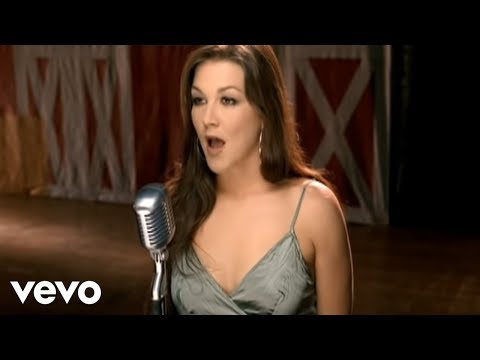
The promotional campaign for the single included significant television exposure. Wilson performed the song on major network programs and country music award shows, maintaining the visibility that a successful debut demands for its follow-up. The accompanying music video received heavy rotation on CMT and GAC, country music's primary video platforms at the time, reinforcing the track's radio momentum with a visual component that matched the song's energetic spirit.
Wilson's sophomore album earned mixed reviews compared to the near-unanimous enthusiasm that had greeted her debut. Some critics felt that the formula was being repeated rather than expanded, while others argued that Wilson's consistency of vision was a strength rather than a limitation. "All Jacked Up" as a single largely avoided this critical ambivalence, being received as a competent and enjoyable extension of Wilson's established brand rather than a diminishment of it.
The song's chart performance, while not reaching the pinnacle of "Redneck Woman," was sufficient to maintain Wilson's position as one of the leading country artists of the mid-2000s. She continued recording and touring through the remainder of the decade, though she would not replicate the crossover commercial scale of her debut period. "All Jacked Up" therefore occupies the position of a solid commercial achievement that marked the confident but slightly less explosive second chapter of one of country music's most vivid working-class narratives of the 2000s.
02 Song Meaning
All Jacked Up: The Meaning Behind the Celebration
"All Jacked Up" operates within a tradition of country music that celebrates communal release, the after-work gathering, the end-of-week exhale, the permission to set aside responsibility for an evening and simply exist in the company of friends and music. Wilson's approach to this tradition was never ironic or self-conscious. She inhabited the spirit of the celebration directly, and the song's meaning derived almost entirely from that quality of authentic participation rather than observed commentary.
The song's subject matter centers on the experience of getting thoroughly caught up in a social situation that has escalated beyond what was initially planned. The narrative tone is not regretful. The narrator does not frame the situation as a problem to be solved or a mistake to be confessed. Instead, the song treats the experience as a natural consequence of being fully alive in a community of people who share the same appetite for uncomplicated pleasure. This refusal to moralize was a deliberate artistic choice that set Wilson apart from country music's more cautionary strand of storytelling.
Within the context of Wilson's career, "All Jacked Up" extended the philosophical position she had staked out with "Redneck Woman." That debut single had claimed cultural dignity for a working-class feminine identity that mainstream pop culture frequently dismissed or ignored. "All Jacked Up" built on that claim by insisting that the pleasures associated with that identity, the honky-tonk, the communal party, the straightforward enjoyment of noise and company, were equally worthy of celebration without apology or explanation.
Wilson's persona throughout the All Jacked Up album era was that of an authentic voice for rural and working-class women who saw themselves inadequately represented in the glossier, more aspirational strands of mainstream country. This was not a marketing construction. Wilson had grown up in Missouri under economically modest circumstances, and her biography gave her public persona a credibility that manufactured "authenticity" could not replicate. Listeners heard the song as coming from someone who genuinely understood what she was singing about, which gave the celebration in the lyric a weight that pure entertainment could not provide.
The song also fit within a broader mid-2000s country music conversation about what the genre owed its core listeners versus its crossover ambitions. Nashville had spent the previous decade chasing pop-crossover success with increasingly polished productions that some traditionalists felt had diluted the music's working-class roots. Wilson's music, including "All Jacked Up," represented a correction, an argument by example that raw energy and identifiable social experience could be commercially successful without conceding the genre's distinctive character.
The song's emotional register is uncomplicated joy with a slight edge of acknowledged excess. It does not pretend the evening described is sophisticated or refined. It celebrates precisely because it is not. This willingness to embrace the unsophisticated as worthy of full artistic attention was one of Wilson's most consistent and valuable contributions to country music in the 2000s. "All Jacked Up" is not a subtle song, and it does not pretend to be. Its directness is its most honest quality, and its meaning ultimately resides in that honesty rather than in any narrative complexity.
→ More from Gretchen Wilson
View all Gretchen Wilson hits →

→ More from the 2000s File
View all 2000s hits →

Keep digging