The 2000s File Feature
We Belong Together
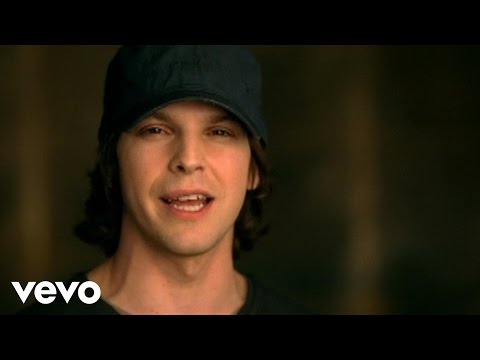
We Belong Together Gavin DeGraw's Early 2006 Chart Moment Gavin DeGraw After I Don't Want To Be By early 2006, Gavin DeGraw had already established himself a…
01 The Story
We Belong Together — Gavin DeGraw's Early 2006 Chart Moment
Gavin DeGraw After "I Don't Want To Be"
By early 2006, Gavin DeGraw had already established himself as one of the more distinctive voices in adult contemporary pop. His breakthrough had come through a combination of television exposure, particularly the use of "I Don't Want To Be" as the theme for the drama One Tree Hill, and genuine artistic credibility built on his piano-driven, soul-inflected approach to pop songwriting. DeGraw's voice, warm and slightly weathered in a way that suggested real feeling rather than studio construction, had earned him a loyal following that was expanding with each subsequent release.
The Singer-Songwriter in the Post-Idol Pop Landscape
The mid-2000s American pop market was navigating an interesting tension between the manufactured product of reality competition television and the more organic artist development that labels like J Records had been pursuing with acts like DeGraw. The success of American Idol had created enormous appetite for clean, immediately accessible pop, but it had also generated a counterculture of listeners specifically hungry for the opposite: artists who seemed to have earned their sound through genuine experience and craft. DeGraw positioned himself in that latter category, and We Belong Together was designed to speak to that audience.
Three Weeks and a Peak at 26
We Belong Together debuted on the Billboard Hot 100 on January 28, 2006, entering at number 38. The single made a swift climb in its second week, reaching its peak of number 26 on February 4, 2006. That peak represented a genuine top-30 showing on the national pop chart, meaningful visibility for a single that was not backed by a massive promotional campaign. The song spent three weeks on the Hot 100 before dropping off, a brief run but one concentrated enough to demonstrate that DeGraw's audience was engaged and paying attention.
The Title's Complicated History
The title We Belong Together had been used most famously and recently by Mariah Carey, whose 2005 version of a different song with the same title had been one of the biggest hits of that year. DeGraw's use of the title for an entirely different song, released just months after Carey's version had saturated the airwaves, created an interesting navigation challenge for both radio programmers and listeners. The coincidence of titles was not commercially advantageous, though the two songs were sonically distinct enough that audiences who sought out DeGraw's version found something recognizably different in emotional register and production approach.
Consistency as a Career Strategy
What Gavin DeGraw demonstrated across his mid-2000s recordings was a commitment to a particular artistic identity: piano-driven, vocally direct, emotionally honest, slightly retro in its soul influences without being nostalgic. We Belong Together fit neatly into that identity, offering his existing audience another entry point while doing nothing to alienate the fans who had found him through "I Don't Want To Be." Press play and hear the consistency of an artist who knew exactly who he was and wrote accordingly.
J Records had assembled a roster in the mid-2000s that reflected a particular vision of what adult contemporary pop could be: artist-driven, melodically ambitious, and built on performers with genuine voices rather than constructed images. Gavin DeGraw fit that model precisely, and the label's investment in his career produced a run of recordings that held together as a coherent artistic statement rather than a random collection of commercially targeted singles. We Belong Together was part of that coherent statement, one piece of a body of work that demonstrated consistent creative values and a clear sense of purpose.
The broader adult contemporary marketplace of early 2006 was receptive to the kind of record DeGraw was making, and the chart performance of We Belong Together reflected that receptivity. The combination of a proven format, a genuinely capable performer, and a clear artistic identity created a record that did exactly what it set out to do: reach its intended audience with enough emotional force to make them pay attention. That the song achieved a top-30 position in its second week speaks to how efficiently all those elements came together, delivering the song's emotional argument to listeners who were ready to receive it.
"We Belong Together" — Gavin DeGraw's singular moment on the 2000s charts.
02 Song Meaning
The Claim of Rightness: What Gavin DeGraw Meant by "We Belong Together"
Belonging as an Argument
The phrase "we belong together" makes a specific kind of claim: not merely that two people love each other, or want to be together, but that there is a rightness to their connection, an almost natural or ordained quality that makes the relationship feel inevitable. This is a more ambitious claim than simple desire, and it carries with it a particular kind of romantic conviction that has always appealed to listeners who want their love songs to affirm the specialness of their own relationships. Gavin DeGraw's version of this claim draws on the soul tradition's language of deep connection and permanent bond, grounding what might otherwise feel abstract in specific emotional vocabulary.
Soul Influences and Authentic Pop
One of the defining characteristics of DeGraw's songwriting and performance in this period was his genuine engagement with soul music as an influence rather than an affectation. The piano-driven arrangements, the vocal phrasing that borrowed from R&B and gospel, the emotional directness of the lyrics: these were not stylistic choices adopted for commercial positioning but reflections of where DeGraw's musical education had taken him. That authenticity of influence gave songs like We Belong Together a weight that distinguished them from the more calculated pop of the era. Listeners could hear that the soul vocabulary was being used by someone who understood what it meant.
The 2006 Adult Contemporary Landscape
Early 2006 found the adult contemporary format in a relatively stable state. The genre had weathered the worst of the file-sharing disruption, and while the industry was still adjusting to new consumption patterns, radio remained a powerful force for adult contemporary acts. The format rewarded emotional directness, melodic clarity, and production values that felt warm rather than clinical. DeGraw's recordings consistently hit those targets, and "We Belong Together" was no exception: a song that understood what its format required and delivered it with enough genuine artistic investment to avoid feeling purely mechanical.
The Piano as Emotional Instrument
The choice to center a romantic pop song on piano rather than guitar carries specific connotations. Guitar-based pop connotes youth, energy, and sometimes a kind of cool distance; piano-based pop suggests introspection, classicism, and emotional seriousness. DeGraw's piano-fronted approach positioned him in a lineage that included Billy Joel, Elton John, and further back, the great soul and R&B pianists whose work shaped the very tradition DeGraw was drawing from. That positioning was not accidental; it told listeners something about the kind of artist DeGraw understood himself to be before the first word was sung.
Belonging and the Need for Affirmation
The deepest appeal of a song about belonging together is the affirmation it offers to listeners who are already in relationships they value. To hear someone say, with conviction and melody, that this connection is right and real and meant to be, is to have one's own emotional reality validated and celebrated. Soul and R&B have always understood this function of popular music; at their best, these genres do not merely entertain but affirm, telling listeners that what they feel is genuine and worth singing about. DeGraw tapped that function throughout his mid-2000s work, and "We Belong Together" is one of the clearest examples of the approach: a song that works as entertainment and as affirmation simultaneously, each function reinforcing the other.
→ More from Gavin DeGraw
View all Gavin DeGraw hits →



→ More from the 2000s File
View all 2000s hits →

Keep digging