The 2000s File Feature
Learning How To Bend
Learning How To Bend: Gary Allan and the Craft of Country Resilience Gary Allan built his reputation in country music on a particular kind of emotional hones…
01 The Story
Learning How To Bend: Gary Allan and the Craft of Country Resilience
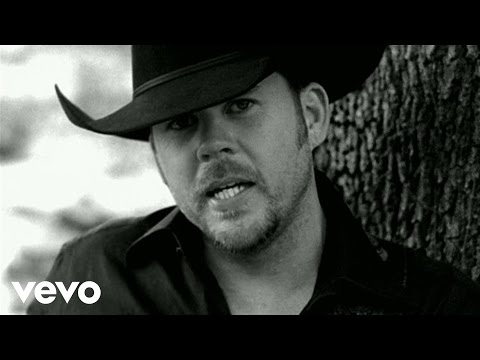
Gary Allan built his reputation in country music on a particular kind of emotional honesty, a willingness to deal in darkness, loneliness, and the complicated aftermath of loss in a genre that often preferred to resolve its difficulties more cleanly. By the time "Learning How To Bend" arrived in 2008 on MCA Nashville, Allan had already established himself as one of the more distinctive voices in contemporary country, an artist whose credibility with traditionalists and his capacity for crossover radio appeal coexisted in productive tension. The song arrived as part of his career at a point when he was building on a series of successful albums that had earned him devoted fans without always translating that devotion into mainstream chart dominance.
The song's title is a deliberate play on the idea of resilience, drawing from the familiar image of trees or materials that survive by bending rather than breaking, and applying it to the emotional work of a person navigating difficulty. It is the kind of title that announces its thematic content clearly and then delivers on that promise with enough specificity to justify the claim rather than simply restating it. Allan's vocal approach to the material was characteristic of his style, a voice that carries natural grain and weight without affectation, the kind of country tenor that sounds earned rather than trained into its emotional effects.
"Learning How To Bend" was produced within the MCA Nashville system by producers who understood both the radio environment of the mid-to-late 2000s and Allan's particular vocal and emotional strengths. The production balanced the organic instrumentation that Allan's fan base expected, steel guitar, fiddle, acoustic elements, with the more polished sonic presentation that contemporary country radio required for significant airplay. This balance was a persistent creative negotiation for artists in Allan's position, country enough to satisfy format listeners while produced with enough refinement to compete in the mainstream marketplace.
Commercially, the track performed on country radio, adding to the cumulative radio history that Allan had been building since his late-1990s breakthrough. His chart trajectory across the 2000s demonstrated a consistent ability to generate hits that performed well in the country format without always crossing the line into the kind of crossover pop-country success that acts like Kenny Chesney or Tim McGraw were achieving simultaneously. Gary Allan charted multiple singles across the Billboard Hot Country Songs chart throughout his career, and "Learning How To Bend" was a representative example of how he maintained chart presence through genuinely strong material rather than formula.
The album on which "Learning How To Bend" appeared came during a period when Allan was managing both his professional output and the personal grief that had defined his life since the loss of his wife, Angela, to suicide in 2004. That biographical context did not always insert itself explicitly into the promotional narrative around individual songs, but it was unavoidably present for the audience that followed him closely, giving tracks about endurance and resilience a weight of real-life correspondence that amplified their emotional resonance. Country music's tradition of autobiographical performance made this dimension particularly legible to the genre's core audience.
Allan's position in country music during this period was somewhat atypical. He maintained genuine credibility with older and more traditional-leaning listeners while also attracting younger fans through a rock-adjacent sonic sensibility and a physical presentation that sat comfortably alongside the genre's increasing embrace of a certain kind of masculine visual appeal. His collaboration with producers who understood this dual positioning allowed him to maintain that balance across multiple albums without compromising in ways that would have alienated either constituency.
Radio programmers at country stations responded to "Learning How To Bend" because it fit the format's appetite for adult male country voices dealing with adult emotional content, a lane in the genre that was not always as crowded as the party-country and bro-country subgenres that were emerging with increasing commercial force around this period. The track represented a different kind of country song, one that did not require a truck, a tailgate, or a cold beverage to justify its existence, and that relying instead on the timeless subject of emotional adaptation and personal fortitude.
In retrospect, "Learning How To Bend" stands as an example of what Gary Allan did consistently well across his career: songs that took the emotional territory of country seriously, that matched melodic strength with lyrical substance, and that gave his particular vocal qualities room to communicate something genuine. The song added to a body of work that established Allan as one of the more artistically credible figures in his generation of country artists, even when mainstream chart success was not always proportional to that artistic distinction.
02 Song Meaning
Learning How To Bend: Resilience as Country's Core Emotional Register
"Learning How To Bend" occupies a familiar but important place in country music's emotional vocabulary, the space where the genre deals with the reality that human beings are changed by suffering, and that the process of adaptation is neither simple nor instantaneous. The title image, of bending rather than breaking, has deep roots in folk wisdom and country tradition, and the song uses that image as a frame for exploring what it actually costs to survive difficulty without pretending the cost is low.
Gary Allan's interpretation of this theme is notable for its avoidance of easy resolution. Country music has a long tradition of the song that presents a difficulty and then reassures the listener that faith, family, or time will set things right, and "Learning How To Bend" participates in that tradition in its structure while also being honest about the ongoing nature of the work involved. The word "learning" in the title is significant; it is not "I have learned" or "I know how." It is a present participle, an action in progress, which keeps the emotional situation open rather than resolving it into a lesson already absorbed.
For Allan specifically, the theme of emotional adaptation carried obvious personal weight given the real-life losses he had experienced in the years before the song's release. Without reducing the song to autobiography or treating it as a direct transcription of his private experience, it is reasonable to note that an artist performing material about learning to survive does so with a particular kind of authority when that survival is visibly ongoing. Country music audiences are sophisticated about this dynamic, and they responded to the sense that the emotional content of "Learning How To Bend" was not merely performed but inhabited.
The song also functions within the broader thematic architecture of what adult contemporary country was trying to accomplish in the 2000s. As the genre expanded in multiple commercial directions, some toward party-oriented youth appeal and others toward the kind of serious emotional engagement that had always been present in country's best moments, "Learning How To Bend" positioned itself clearly on the side of substance. The track belongs to the tradition of country songs that honor the complexity of emotional life rather than simplifying it, which is why it has retained relevance for listeners who encountered it first and for those who have come to it later.
The meaning of "Learning How To Bend" for Gary Allan's catalog is also about identity and consistency. Across an extended career, he has been the artist who takes emotional material seriously, who brings genuine vocal investment to lyrics that deserve it, and who has refused to compromise the core identity of his music simply because the commercial landscape suggested other paths might be more profitable. A song about resilience is, in that context, also a description of his own artistic trajectory, an artist who has bent with the winds of changing country formats without breaking the essential qualities that define his work.
→ More from Gary Allan
View all Gary Allan hits →



→ More from the 2000s File
View all 2000s hits →




Keep digging