The 2000s File Feature
I Believe
I Believe — Fantasia The American Idol Coronation Song as Commercial Phenomenon The summer of 2004 introduced American television audiences to a new kind of …
01 The Story
I Believe — Fantasia
The American Idol Coronation Song as Commercial Phenomenon
The summer of 2004 introduced American television audiences to a new kind of popular music event. American Idol, already a ratings juggernaut in its third season, had developed a specific ritual around its finale: the winner would perform an original song, voters would call in their preferences, and within days, a recording would appear on the Billboard charts. What happened with Fantasia Barrino's "I Believe" exceeded even the established pattern. The single debuted at number 1 on the Hot 100 on July 10, 2004, on its very first week of chart eligibility. That debut-at-one achievement made it one of the fastest-moving singles in the chart's history to that point.
The track remained on the Hot 100 for ten weeks, spending its chart life moving from its extraordinary debut position downward through a natural commercial cycle. But the debut week was the story, and it was a story large enough to define both the song and the career that followed.
Fantasia Barrino: Voice Before the Crown
The commercial phenomenon of "I Believe" was inseparable from the phenomenon of Fantasia Barrino herself. Throughout American Idol Season 3, Barrino had distinguished herself from the competition through the sheer power and emotional depth of her vocal performances. Born in High Point, North Carolina, she brought a church-rooted gospel intensity to the competition that made her performances feel categorically different from more conventional pop idol contestants.
Critics and audiences alike recognized that Barrino's vocal gifts were exceptional rather than merely above average. Her ability to convey genuine emotional experience through her voice, rather than simply delivering technically proficient performances, created a connection with viewers that translated directly into voting numbers. When she won the Season 3 competition, the margin of her victory reflected the depth of that connection.
The Architecture of a Coronation Song
Coronation songs, as the American Idol finale singles came to be called, occupied a specific genre position: inspirational, emotionally expansive, and built to showcase the winner's vocal range in a context that would photograph well on a televised finale. "I Believe" was written by Jorgen Elofsson, Pelle Nyman, Sara Forsberg, and Tommy Nilsson, and it fit the coronation song template with precision.
The lyric maps a journey from doubt to conviction, from limitation to faith in one's own capacity. The gospel and contemporary R&B influences in the arrangement gave Barrino's voice a musical home that suited her background perfectly. The production builds through the track toward an extended final section designed to allow the performer maximum emotional expression, the kind of finish that made television finales feel like theatrical events.
A Debut at Number 1: Understanding the Mechanism
To understand how "I Believe" debuted at number 1, it is necessary to understand the commercial infrastructure that the American Idol franchise had built by 2004. The show had tens of millions of weekly viewers, many of whom were also active music consumers. The broadcast of the coronation performance functioned as an advertisement reaching the largest possible audience at precisely the moment of maximum emotional investment. Viewers who had spent weeks voting for their favorite contestant were primed to purchase the winner's single at release.
The Hot 100 methodology of the time incorporated multiple data points including sales and airplay. The volume of sales generated in the days immediately following the finale was sufficient to place "I Believe" at the top of the chart before traditional radio programming had even begun promoting the record in rotation. This mechanism, debut-at-one driven by fan purchasing, would become an increasingly common pattern as download sales grew more significant in chart methodology.
What the Numbers Meant for Fantasia's Career
A number 1 debut is a commercial credential that changes the trajectory of a career before it has properly begun. Fantasia Barrino's post-Idol recording career, documented across multiple albums on Arista and J Records, was shaped by the expectations created by that extraordinary debut. Her debut album Free Yourself, released later in 2004, produced additional singles and confirmed that she was more than a television construct.
Her subsequent career included significant R&B chart success, Broadway performance in The Color Purple, and sustained critical recognition as one of the most powerful voices of her generation. "I Believe" was the door through which she entered that career, and its extraordinary commercial debut guaranteed that the door opened as wide as it possibly could. Press play and hear the voice that stopped American television in the summer of 2004.
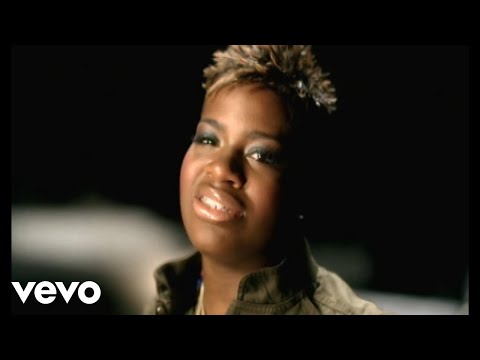
"I Believe" — Fantasia's singular moment on the 2000s charts.
02 Song Meaning
I Believe — Meaning, Themes, and Legacy
Faith as the Central Argument
The emotional architecture of "I Believe" rests on a single foundational claim: that conviction, when it is genuine and hard-won, can sustain a person through circumstances that would otherwise be overwhelming. The lyric maps a journey from uncertainty and limitation toward a state of settled confidence, not confidence that comes from external validation or favorable circumstance, but the kind that comes from an internal decision to persist. That thematic content was ideal for a competition finale context in which a contestant who had prevailed over a field of competitors was performing their victory song.
The gospel tradition from which Fantasia Barrino drew her vocal identity gave the word "believe" a specific resonance. In the church context in which she had been raised, belief is not merely intellectual assent but active spiritual commitment, a verb as much as a noun. Her performance of the lyric carried that weight even in a secular pop context, which is why the record connected with audiences well beyond the American Idol fan base.
The Television Narrative as Emotional Context
One of the qualities that distinguished American Idol's coronation songs from ordinary pop singles was the depth of narrative context that viewers brought to their first hearing. Audiences who had watched Fantasia Barrino perform across an entire competitive season understood something about her personal circumstances: her difficult background, her evident passion for performance, the stakes she carried into each competition round. When she performed "I Believe" at the finale, those viewers were hearing the song through the filter of everything they already knew and felt about the performer.
That contextual enrichment is difficult to replicate outside the television environment that produced it, which is one reason coronation songs often struggle to maintain their commercial momentum after the initial surge. The song separated from its context becomes a somewhat different object, evaluated on its musical merits alone rather than as the culminating moment of a long narrative arc.
Inspirational Pop as a Genre
The inspirational pop ballad has deep roots in American commercial music, from gospel-influenced soul through the anthemic arena rock of the 1970s and 1980s and into the contemporary Christian music movement. "I Believe" sits within that tradition while adapting its conventions for a twenty-first-century pop production context. The production choices, including the building orchestration, the gospel-inflected backing vocals, and the extended climactic final section, all draw on a long lineage of inspirational music.
What Fantasia Barrino brought to that template was not a new approach to the genre but an exceptional execution of its existing conventions. Her vocal power made the familiar inspirational moves feel freshly earned rather than formulaic, which is the essential requirement for any singer working in a genre with well-established precedents. Listeners who had heard hundreds of inspirational ballads found this one genuinely moving, which is the most useful evidence of artistic effectiveness.
Legacy Within the American Idol Franchise
The commercial success of "I Believe" helped establish the template for how subsequent American Idol coronation singles would be conceived and marketed. The debut-at-one achievement demonstrated what was possible when the show's voting audience was converted efficiently into purchasing customers, and the franchise responded by optimizing the process in subsequent seasons.
Fantasia Barrino's subsequent career demonstrated that her gifts extended well beyond the competition format that introduced her to mainstream audiences. Her work on Broadway, her R&B albums, and her continued concert performances showed consistent artistic development. "I Believe" remains the public's first introduction to those gifts, the moment when the country heard a voice that was clearly going to matter, and recognized it instantly. That recognition, confirmed by the chart, is the song's most durable legacy.
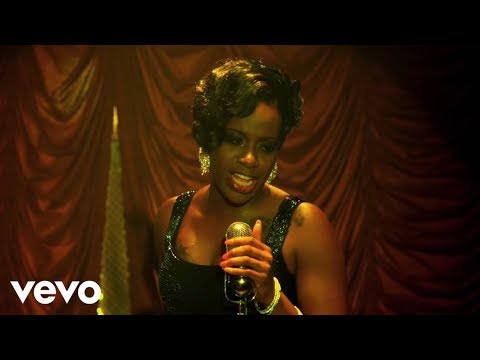
"I Believe" — Fantasia's singular moment on the 2000s charts.
→ More from Fantasia
View all Fantasia hits →


→ More from the 2000s File
View all 2000s hits →




Keep digging