The 2000s File Feature
This Ain't A Scene, It's An Arms Race
This Ain t a Scene, It s an Arms Race by Fall Out Boy By 2007, Fall Out Boy had grown from emo and pop-punk favorites into genuine arena-filling stars, and T…
01 The Story
"This Ain't a Scene, It's an Arms Race" by Fall Out Boy
By 2007, Fall Out Boy had grown from emo and pop-punk favorites into genuine arena-filling stars, and "This Ain't a Scene, It's an Arms Race" announced that ambition with a bang. The song is a swaggering, hook-laden anthem packed with the band's trademark wordy, clever lyrics and a chorus built for massive crowds. It became one of their biggest hits, a sharp, self-aware track that took aim at fame and the music industry even as it conquered the very charts it critiqued.
A Band Reaching New Heights
Fall Out Boy had risen quickly through the pop-punk and emo scene, and by 2007 they were among the most popular rock bands in the mainstream. With this song they leaned into a bigger, more polished sound while keeping the witty, dense lyricism that defined them. The track served as the lead single from Fall Out Boy's 2007 album Infinity on High, and it marked a confident step toward broader stardom, balancing arena-sized hooks with a knowing, critical perspective on the fame the band was experiencing.
A Sound Built on Hooks and Swagger
The production is bold and anthemic, built on a driving rhythm and an enormous, instantly memorable chorus. The verses are packed with the band's signature wordplay, delivered with a rapid, clever cadence, while the hook explodes into a stadium-ready singalong. There is a swagger to the whole track, a sense of a band fully aware of its own rising stardom and playing with it. That combination of catchy hooks and sharp lyricism gave the song its distinctive energy and broad appeal. The band had always prided itself on packing more words and ideas into a song than seemed possible, and here that density met an enormous, accessible chorus. The verses reward close listening with their clever turns of phrase, while the hook works on anyone within earshot, demanding to be shouted back. That layering of immediate appeal and lyrical depth is a large part of what made the band so distinctive among their pop-rock peers.
A Sky-High Chart Debut
The single made a remarkable splash on the chart, entering at the very top of the field. It debuted on the Billboard Hot 100 dated February 3, 2007, at number 2, an extraordinary entry point that reflected enormous anticipation and demand from the band's passionate fan base. It held that high position for weeks before gradually descending. In total it spent 20 weeks on the Hot 100, a long run that confirmed its broad popularity and cemented the band's status as mainstream stars at the peak of their powers.
A Defining Hit of Its Era
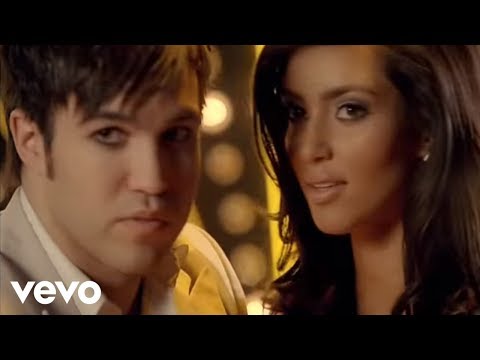
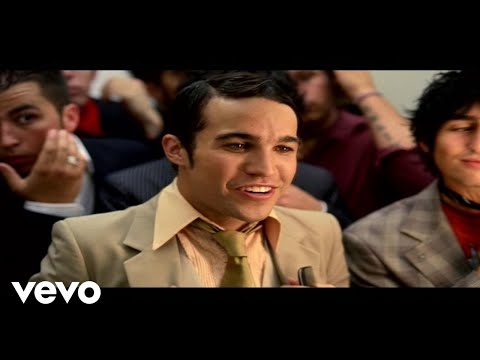
The song's impact reached well beyond its chart performance. Its official video has gathered roughly 122 million views on YouTube, keeping its swaggering energy alive for fans of the era. The track became one of the band's signature hits and a defining anthem of mid-2000s pop-rock, remembered for both its enormous hook and its clever, self-aware lyrics. It remains a fan favorite and a staple of the band's live shows.
Why It Endures
The record lasts because of its irresistible hook and its sharp wit. The enormous chorus guarantees a singalong, while the clever lyrics reward closer attention, giving the song both immediate appeal and lasting depth. It captures the band at a moment of soaring ambition and self-awareness, fully in command of their sound, and that confidence keeps the song sounding vital and fun.
Press play and brace for that chorus; few pop-rock anthems of the era were this catchy and this clever at once.
"This Ain't a Scene, It's an Arms Race" — Fall Out Boy's singular moment on the 2000s charts.
02 Song Meaning
The Meaning Behind "This Ain't a Scene, It's an Arms Race"
A Critique of Fame and Competition
At its core, the song is a sharp commentary on the music industry and the relentless competition for fame and attention. The title frames the pursuit of stardom not as a community or a movement but as an escalating battle, an arms race where everyone is fighting to outdo one another. The lyrics take a cynical, self-aware look at celebrity culture and the hunger for recognition that drives it. It is a song about ambition and its costs.
Self-Aware Ambition
What gives the song its edge is the way it implicates the band itself. The lyrics acknowledge the narrator's own desire for fame and success even while criticizing the very system that rewards it. That self-awareness keeps the song from feeling preachy, turning it into a knowing wink at the contradictions of ambition. The band is both critic and participant, fully aware of playing the game it describes.
The Hunger for Attention
The song explores the insatiable craving for recognition that drives the entertainment world. The lyrics depict a culture obsessed with visibility, where attention itself becomes the ultimate prize. There is a sense of weariness and irony in that observation, a recognition that the chase for fame can be hollow even as it is irresistible. That theme of attention as currency gives the song its sharp, contemporary bite.
Why It Connected
Listeners embraced the song for its irresistible hook and its clever, knowing lyrics. Its self-aware take on fame and ambition resonated with a generation increasingly attuned to celebrity culture, while the enormous chorus made the critique impossible to resist. The combination of catchy appeal and sharp commentary gave the song a depth that set it apart from typical pop-rock anthems.
Ambition With a Wink
In the end, the meaning rests on a knowing, ironic view of the pursuit of fame. The song does not pretend to stand outside the game; it admits its own hunger even as it critiques the whole spectacle. That self-aware, clever embrace of ambition's contradictions, delivered with such an irresistible hook, is exactly why the track became one of the band's most memorable and enduring hits. The song captures a particular moment in celebrity culture with sharp clarity, and its observations about the hunger for attention have only grown more relevant with time. That combination of timely commentary and timeless catchiness is what keeps the track resonating with listeners long after the scene it described moved on. It manages to be both a critique and a guilty pleasure at once, a song you can dance to while it quietly skewers the very world it inhabits. That double edge is the lasting cleverness at the heart of the track.
→ More from Fall Out Boy
View all Fall Out Boy hits →


→ More from the 2000s File
View all 2000s hits →




Keep digging