The 2000s File Feature
You Don't Belong
You Don't Belong — Daughtry: History "You Don't Belong" was included on "Leave This Town," released in 2009 on RCA Records , the second studio album from Dau…
01 The Story
You Don't Belong — Daughtry: History
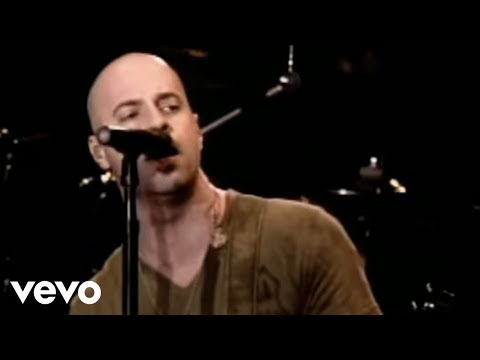
"You Don't Belong" was included on "Leave This Town," released in 2009 on RCA Records, the second studio album from Daughtry, the post-grunge rock act fronted by Chris Daughtry, who had first come to public attention through his fifth-place finish on the fifth season of "American Idol" in 2006. The album arrived after the remarkable commercial performance of the self-titled debut album from 2006, which had achieved platinum certification multiple times over and generated a series of substantial hits including "It's Not Over," "Home," and "What I Want." "Leave This Town" was charged with demonstrating that the debut's success was the beginning of a sustainable career rather than the temporary amplification of "Idol" momentum.
Daughtry the band, which included guitarist Josh Steeley, bassist Josh Paul, guitarist Brian Craddock, and drummer Robin Diaz alongside Chris Daughtry's lead vocals, had developed a sound rooted in the post-grunge tradition of melodically strong, guitar-driven rock that owed debts to Nickelback, Lifehouse, and the other acts that had made the format commercially dominant on mainstream rock radio through the early 2000s. The production aesthetic favored big, compressed guitar sounds, powerful rhythm sections, and Chris Daughtry's commanding baritone voice deployed across anthemic chorus arrangements designed for maximum rock-radio impact.
"You Don't Belong" exemplifies this production approach. The song is a breakup-oriented rock track built on the premise of mutual recognition that a relationship has run its natural course, with the narrator telling a departing partner that her instinct to leave is correct and that she belongs somewhere else. The track's production was handled by Howard Benson, who had become one of the most reliable producers in the mainstream rock format through his work with My Chemical Romance, Papa Roach, Hoobastank, and numerous other acts. Benson's production values, centered on clarity, punch, and radio impact, were well-suited to Daughtry's sonic requirements.
The "Leave This Town" album debuted at number one on the Billboard 200 in its first week of release, selling over 269,000 copies in that initial period, a strong performance that validated the commercial investment in the band and confirmed that the "Idol"-generated fanbase had converted into a durable following rather than a temporary audience. The album was supported by a promotional campaign that emphasized Daughtry's credibility as a rock act defined by the band's musicianship and Chris Daughtry's vocal ability rather than by the talent-show context in which he had first achieved visibility.
The rock radio landscape of 2009 in which "You Don't Belong" appeared was somewhat different from the environment the debut album had occupied three years earlier. The mainstream rock format continued to be dominated by the post-grunge acts that had built their careers through the previous decade, but the format was also experiencing the early stages of a reorientation, with alternative rock acts achieving greater mainstream visibility and the post-grunge sound beginning to show the commercial fatigue that eventually leads any genre convention toward reassessment or renovation. Daughtry's music was well-positioned to continue succeeding in this environment precisely because it represented one of the most polished and commercially focused expressions of the post-grunge formula.
Chris Daughtry's vocal performance on "You Don't Belong" is characteristic of his approach at this period of his career: controlled power, emotional directness, and the kind of technical command that allows him to fill a rock arrangement without straining against its boundaries. His voice had been identified from his "Idol" auditions as one of the more distinctive in a format not particularly distinguished by vocal virtuosity, and the production choices on "Leave This Town" consistently highlighted that voice as the element that differentiated Daughtry from the broader post-grunge field.
Critical reception for "Leave This Town" was mixed, with reviewers generally acknowledging the professional quality of the production while questioning whether the album offered anything beyond the commercial formula that the debut had established. This division between popular success and critical enthusiasm was characteristic of mainstream rock's commercial tier in the late 2000s, where the format had largely abandoned the aspiration to critical credibility in favor of reliable delivery to an established and loyal audience. Daughtry's commercial performance across both albums placed them firmly among the most commercially successful post-grunge acts of their generation.
"You Don't Belong" fit naturally within the album's thematic preoccupation with departure, change, and the emotional weight of transitions. The album title itself announced that preoccupation, and multiple tracks explored different angles on the experience of leaving or being left, of recognizing that circumstances have changed and that staying in place is no longer tenable. This thematic coherence gave "Leave This Town" a slightly more unified identity than purely singles-collection albums in the format sometimes achieved.
02 Song Meaning
You Don't Belong — Meaning and Themes
"You Don't Belong" represents an emotionally mature variant of the breakup song, distinguished by its departure from the conventional rhetoric of loss and grievance. Where most breakup songs are organized around the narrator's suffering, the longing for what has been lost, or the anger at what has been done, this song takes the position that the relationship's ending is not only inevitable but correct, that the departing partner's instinct to leave reflects a genuine truth about compatibility and belonging. The narrator does not resist the ending but ratifies it, which is a more complex and less common emotional stance than simple romantic grief.
This stance creates an interesting ambiguity about the narrator's own emotional state. The acknowledgment that someone does not belong could be read as generous acceptance, as honest recognition, or as a form of self-protective preemption, a way of accepting the inevitable before it is forced. Post-grunge rock's emotional vocabulary tends toward controlled expression of strong feeling rather than either sentimental overflow or emotional deflection, and the song exploits that tendency, presenting the acceptance as genuine without resolving the question of how much pain lies underneath it.
Within Daughtry's catalog, "You Don't Belong" participates in the thematic concerns that run through "Leave This Town" as a whole, an album preoccupied with change, departure, and the recognition that circumstances and people evolve away from each other. This thematic consistency gives the album a more substantial identity than post-grunge records sometimes achieve, and it positions "You Don't Belong" as part of a larger meditation rather than simply a standalone romantic-complaint track.
Chris Daughtry's vocal delivery on the song is crucial to its emotional meaning. His baritone carries natural authority, and when that authority is deployed in the service of releasing rather than holding a relationship, it creates a specific emotional effect: the sense of someone genuinely powerful enough to let go without dramatic gesture. This kind of emotional restraint in rock performance is more difficult to execute than either cathartic release or studied coolness, and Daughtry's ability to find that middle register is one of the defining qualities of his vocal artistry at this stage of his career.
The production's rock-format architecture, with its prominent guitar presence, powerful rhythm section, and anthemic chorus design, provides the emotional container for a lyrical content that might otherwise feel too resigned or too understated to sustain a rock track. The sonic energy of the arrangement compensates for the restraint of the emotional stance, creating a record that feels rock-appropriate in its intensity even when its lyrical content is engaged in letting go rather than fighting back. This tension between the sound and the sentiment is part of what makes the song work as a commercial rock recording.
For Daughtry's position in the post-grunge landscape, "You Don't Belong" exemplifies the format's capacity for emotional honesty within commercial constraints. The song does not romanticize pain or offer false comfort; it describes a recognizable emotional situation with the kind of specificity that makes it feel true rather than generic. The capacity for emotional specificity within radio-format rock production is precisely what distinguished the better post-grunge acts from the purely formulaic ones, and this track demonstrates that Daughtry and his collaborators could operate at that higher level when the material called for it.
→ More from Daughtry
View all Daughtry hits →



→ More from the 2000s File
View all 2000s hits →



Keep digging