The 2000s File Feature
I'll Be Around
I'll Be Around by Daryl Hall John Oates By the mid-2000s, Hall Oates occupied a curious and enviable position. They were no longer chasing the top of the cha…
01 The Story
"I'll Be Around" by Daryl Hall & John Oates
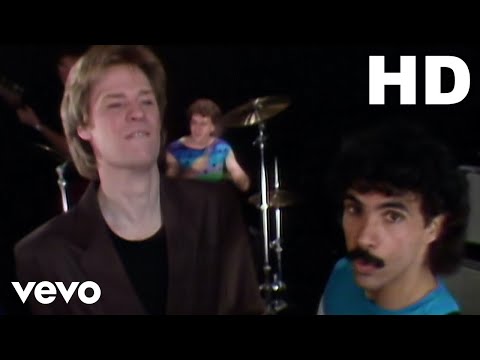
By the mid-2000s, Hall & Oates occupied a curious and enviable position. They were no longer chasing the top of the charts the way they had in their imperial 1980s run; instead they were elder statesmen of blue-eyed soul, free to follow their hearts back to the music that first inspired them. "I'll Be Around" from this period finds the duo paying loving tribute to the Philadelphia soul tradition that helped raise them.
Two Survivors of Pop
Few partnerships in pop history have endured like Daryl Hall and John Oates. Across decades they racked up an extraordinary string of hits, becoming one of the most successful duos the American charts ever produced. By 2005 they had nothing left to prove commercially, and that freedom shaped their choices. Rather than fight for radio relevance, they leaned into their deepest influences, returning to the soul records of their youth.
A Classic of Philly Soul Revisited
"I'll Be Around" was originally a 1972 hit for The Spinners, a cornerstone of the lush, sophisticated Philadelphia soul sound. For Hall & Oates, who grew up steeped in that very tradition in and around Philadelphia, covering it was a homecoming. Their version honors the original's smooth, gliding grace while letting Hall's voice, one of the great soul instruments in pop, wrap around the familiar melody. It is a respectful, heartfelt reading from artists who understood the source material from the inside. There is no attempt to reinvent the song or to put a flashy stamp on it. The goal was clearly reverence, to inhabit a beloved classic and honor what made it great. That humility suits the material. A song this graceful does not need reinvention; it needs a singer who loves it, and Hall plainly does.
A Brief Visit to the Hot 100
The chart numbers tell a gentle story. "I'll Be Around" debuted on the Billboard Hot 100 on January 15, 2005, at number 99, lingered there, and then nudged up to its peak of number 97 on February 5, 2005. It spent just three weeks on the Hot 100. For a duo whose 1980s singles routinely topped the chart, a placing near the bottom might read as a footnote, but the context matters. This was a passion project, a covers record made for love rather than chart conquest, and any Hot 100 appearance at that career stage was a bonus.
Legacy Artists, Living Catalog
What this single really demonstrates is the staying power of a great partnership. Long after their hit-making peak, Hall & Oates remained vital, touring, recording, and reminding audiences of their deep roots in soul music. Songs like this kept their catalog breathing, connecting their own legacy to the older one that shaped them. By the mid-2000s they had also enjoyed something of a critical reappraisal, with younger musicians openly citing them as influences and their classic singles enjoying renewed love. A covers project like this fit that moment perfectly, the work of artists comfortable enough in their legacy to simply make the music they loved. There is a generosity in it, a sense of paying forward the inspiration they had received.
Press Play and Settle In
Put this on and let the warmth of it surround you. It is the sound of two veteran musicians honoring the records that made them, with no agenda beyond getting the feeling right. There is a quiet pleasure in hearing masters return to where they began, and Daryl Hall's voice, decades into his career, still wraps around a soul melody with rare and effortless authority. Few singers of any era could make a classic feel this lived-in, this completely understood, and that mastery is the real reward of pressing play.
"I'll Be Around" — Daryl Hall & John Oates' singular moment on the 2000s charts.
02 Song Meaning
The Meaning Behind "I'll Be Around"
"I'll Be Around" is one of soul music's most quietly dignified statements about love and patience. The narrator has been left behind, the relationship apparently over, yet he refuses to beg or rage. Instead he offers a simple, steady promise: whenever you need me, I will be here.
The Dignity of Waiting
The emotional core of the song is unconditional availability without desperation. The narrator accepts that his love has gone, perhaps to someone else, and rather than fight it, he plants himself as a constant. There is enormous tenderness in this, but also strength. He is not pleading for a second chance so much as offering a standing invitation, leaving the door open without losing his composure.
Love Without Conditions
What lifts the song above ordinary heartbreak fare is its generosity. Most breakup songs are about wanting someone back. This one is about being there for someone whether or not they come back. The narrator asks for nothing in return; his devotion is its own reward. That selflessness gives the lyric a maturity and grace that explains why it has endured across generations and interpretations.
A Tradition of Smooth Soul
The original belonged to the golden age of Philadelphia soul, a style built on lush arrangements and emotional sophistication. When Hall & Oates returned to it decades later, they tapped into that same well of refined feeling. The meaning of the cover deepens with context: two artists who built careers on this sound, circling back to express their gratitude to it. The song's message of patient, undemanding love mirrors something about their own long partnership and longevity, a relationship that simply endured, year after year, without needing to prove itself. There is a fittingness to veterans like these embracing a song about quiet constancy.
Why It Resonates
Anyone who has loved someone they could not hold onto understands the ache and the grace at this song's center. The promise to simply be around, to remain steady and patient, speaks to a kind of love that asks for nothing. In a culture that often equates passion with possession, the song's quiet constancy feels almost radical, and that is why listeners keep returning to it. The narrator's restraint is its own form of strength, the kind that does not announce itself. He does not chase, he does not demand, he simply remains, and in that stillness there is more devotion than any grand gesture could convey. When Hall & Oates returned to the song decades after its first life, they understood that completely. Their version carries the same patient warmth, proof that the most enduring love songs are often the quietest ones.
→ More from Daryl Hall John Oates
View all Daryl Hall John Oates hits →



→ More from the 2000s File
View all 2000s hits →


Keep digging