The 2000s File Feature
If Something Should Happen
"If Something Should Happen" — Darryl Worley's Hard Truth Country Music After the Wars Began By the spring of 2005, American country music had developed a co…
01 The Story
"If Something Should Happen" — Darryl Worley's Hard Truth
Country Music After the Wars Began
By the spring of 2005, American country music had developed a complex, sometimes uncomfortable relationship with the conflicts in Afghanistan and Iraq. The patriotic surge that had followed September 11 had produced a string of anthems and tributes, but three and four years into sustained combat operations, the tone of country music's engagement with the wars was shifting. Some songs stayed in the mode of straightforward support; others began to grapple more honestly with cost and loss. Darryl Worley's "If Something Should Happen" belonged to a third and rarer category: a song that looked directly at the grief that military deployment inflicted on the people left behind, without flinching and without false comfort.
Worley had already established himself as one of country music's most willing voices on the subject of post-9/11 American life. His 2003 single "Have You Forgotten?" had been a major hit and a defining statement of a particular mood in the country, reaching number one on the country charts. That song's commercial success both opened a door and created expectations. When Worley returned to adjacent territory with "If Something Should Happen," audiences knew what kind of emotional territory to expect.
The Weight of Deployment
"If Something Should Happen" approaches military service not from the perspective of the soldier but from that of the people at home waiting and worrying. The premise is a conversation between two people who know that one of them might not come back, trying to say everything important before the separation becomes permanent. The song deals in specific, human-scale fears rather than abstract patriotism, the fear of a phone call, the fear of a knock at the door, the fear of loss articulated between two people who love each other.
This focus on the domestic emotional reality of wartime gave the track a different texture from the anthemic statements that had dominated country music's post-9/11 response. The production reflected that emotional weight: measured, serious, allowing the lyric's gravity to breathe without excessive melodrama in the arrangement.
Building Through the Chart
The single debuted on the Billboard Hot 100 on May 28, 2005, at number 100. Its ascent was deliberate rather than explosive, moving through the chart by degrees: number 99, number 93, number 82. The track peaked at number 75 on July 9, 2005, completing a nine-week run that reflected a song finding its core audience through radio play rather than mainstream crossover appeal. Country music in 2005 had its own robust radio ecosystem, and a song like this lived primarily in that world rather than competing across all genres simultaneously.
The nine-week chart presence on the Hot 100 understated the song's impact on the country charts specifically, where it performed as a genuine radio staple during a period when listeners were seeking music that engaged honestly with the human realities of extended military conflict.
Worley's Place in the Conversation
By 2005, Worley had become one of country music's most identified voices on the subject of America at war. That position carried both artistic opportunity and commercial risk. "Have You Forgotten?" had made him a lightning rod; some listeners embraced him precisely for his willingness to address the wars directly, others critiqued the political valence of his positions. "If Something Should Happen" navigated that complicated landscape by focusing on universal human experience rather than political argument. Grief and fear belong to everyone regardless of their views on the specific conflicts that cause them.
The song was part of an album cycle that cemented Worley's reputation as an artist willing to engage with difficult material at a time when much of mainstream pop actively avoided it.
The Honest Side of Patriotic Country
Country music's engagement with military themes has a long history, running back through decades of songs about service and sacrifice. What distinguished "If Something Should Happen" was its refusal to wrap the experience in uncomplicated heroism. The song acknowledged that sometimes soldiers don't come back, that the people who love them live with that possibility every day of a deployment, and that the emotional labor of that waiting deserved its own kind of recognition. Press play and hear a country artist doing something harder than writing an anthem: writing something true.
"If Something Should Happen" — Darryl Worley's singular moment on the 2000s charts.
02 Song Meaning
"If Something Should Happen" — Grief, Love, and the Weight of Goodbye
Speaking the Unspoken
The specific emotional situation at the center of "If Something Should Happen" is one that millions of American families lived through in the first decade of the 2000s: a conversation between two people who love each other, one of whom is heading into a danger that could prove fatal. The song's central act is naming the thing that neither party wants to name, articulating the fear of permanent loss before that loss can occur. There is a peculiar tenderness in that act, an acknowledgment that love requires honesty even when honesty is painful.
Country music has always been particularly willing to engage with mortality and loss in ways that mainstream pop often avoids. The genre's connection to rural and military communities that have historically borne a disproportionate share of the costs of warfare gives it a kind of moral authority on these subjects, an authority that comes from proximity to the lived experience rather than from aesthetic distance.
The Civilian Experience of War
Discussions of wartime sacrifice often center on the soldier. "If Something Should Happen" shifts the perspective to the people at home, a population whose experience of war receives less attention but is no less real. The anxiety of waiting, the constant background awareness that a notification could arrive at any moment, the emotional work of maintaining daily life while carrying that knowledge, these are the emotional textures the song inhabits. By centering the civilian experience of military deployment, the track expanded the scope of what country music's engagement with the wars could encompass.
The song's perspective also made it accessible to listeners who weren't directly connected to military families. The universal experience of loving someone and fearing their loss, of wanting to say everything important before it's too late, gave the track a resonance that extended beyond its specific wartime context.
Love as Courage
One reading of the song's emotional logic is that the act of having this conversation constitutes a form of courage. Acknowledging that something terrible might happen, rather than insisting on optimism, is an act of love that takes emotional bravery. The song argues, implicitly, that facing that possibility honestly is better than pretending it doesn't exist, that the conversation left unspoken is more damaging than the one that acknowledges the worst.
This emotional argument resonated strongly with audiences in 2005, when the gap between official narratives about the wars and the lived experiences of military families was becoming increasingly difficult to bridge. A song that told the truth about what deployment actually felt like from the inside had a particular power in that context.
The Enduring Weight
Songs that deal honestly with grief and fear don't age in the same way that lighter material does. "If Something Should Happen" remains emotionally coherent because the situation it describes isn't historically specific. The fear of losing someone you love to circumstances beyond your control is permanent human experience, and the song captures it with enough precision and compassion to remain relevant long after the specific conflicts that inspired it have receded from the daily news. Worley wrote and performed something that earned its place in the country canon not through spectacle but through honesty.
"If Something Should Happen" — Darryl Worley's singular moment on the 2000s charts.
→ More from Darryl Worley
View all Darryl Worley hits →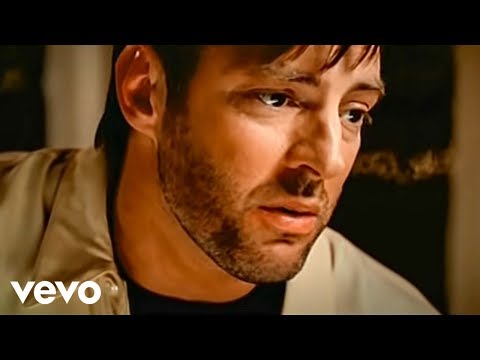
→ More from the 2000s File
View all 2000s hits →




Keep digging