The 2000s File Feature
Clocks
The Cascading Beauty of Clocks by Coldplay Close your eyes and imagine a single piano figure tumbling forward like water down a series of steps, urgent and w…
01 The Story
The Cascading Beauty of "Clocks" by Coldplay
Close your eyes and imagine a single piano figure tumbling forward like water down a series of steps, urgent and weightless at once. That repeating motif is the first thing you hear in "Clocks," and it is the reason the song became one of the defining sounds of early-2000s rock. Few instrumental hooks of the era are as instantly recognizable, and fewer still carry such an unmistakable sense of momentum and longing.
A Band Proving It Was No One-Album Wonder
By the time "Clocks" arrived, Coldplay had already broken through with their debut, a record that established them as sensitive, melodic torchbearers of British rock. The pressure on the follow-up was enormous, the kind of scrutiny that has sunk many promising bands. The album that contained this single, A Rush of Blood to the Head, was their answer, a more ambitious and confident work that silenced any doubt about their staying power. The band, led by vocalist Chris Martin, was reaching for something grander than their early material, and "Clocks" became the centerpiece of that reach.
A Hook Born at the Last Minute
The song is built around that famous descending piano arpeggio, a pattern that loops and shimmers beneath everything else. It is widely documented that the piano figure came together late in the album's creation, almost as an afterthought, before the band recognized its power and built an entire song around it. The arrangement layers swelling guitars, propulsive drums and Martin's soaring falsetto over that hypnotic foundation, building toward an emotional release that feels both intimate and vast. There is a restlessness to it, a sense of time slipping away that matches its title.
A Long, Slow Climb on the Hot 100
On the Billboard Hot 100 the song built its position with patience. It debuted at number 67 on February 1, 2003, then climbed gradually across the spring as radio and television embraced it. It reached its peak position of number 29, in the week of May 17, 2003, and proved durable, logging 22 weeks on the Hot 100. That extended run reflected a song that won listeners over through sheer atmosphere rather than an immediate explosion, becoming inescapable across rock and pop formats alike during that year.
A Touchstone of Its Era
"Clocks" went on to win major industry recognition and became one of the most licensed and recognizable songs of its time, soundtracking countless films, advertisements and television moments. Its piano figure has been endlessly imitated and referenced, a testament to how completely it lodged itself in the culture. The song helped cement Coldplay's transition from promising newcomers to one of the biggest bands in the world, a status they would hold for decades. The recording has gathered roughly 46 million YouTube views, evidence of its lasting hold on listeners.
The Sound That Defined a Band
More than perhaps any other single, "Clocks" established the template for what people came to expect from Coldplay: grand, emotive, piano-led anthems built for the largest possible spaces. The song's success gave the band the confidence and the commercial foundation to keep reaching higher, and its influence echoed through much of the arena-rock that followed in its wake. Many later bands borrowed its blueprint of a hypnotic keyboard hook paired with soaring, wordless emotion. In that sense the song was not only a hit but a genuinely influential record, one that helped shape the sound of mainstream rock for years to come and marked the moment Coldplay became unavoidable.
Why You Should Press Play
Even after countless plays, "Clocks" retains its strange magic, that feeling of being swept along by something larger than yourself. Press play and let that cascading piano take hold; few songs capture the bittersweet rush of time passing quite so beautifully.
"Clocks" — Coldplay's singular moment on the 2000s charts.
02 Song Meaning
The Meaning Behind "Clocks" by Coldplay
"Clocks" is a song about the pressure of time and the difficulty of decisions, wrapped in imagery that feels more impressionistic than literal. Rather than telling a clear story, it gestures toward themes of urgency, confusion and the wish to do right by someone, leaving room for listeners to map their own meaning onto its sweeping sound.
Racing Against the Clock
The title and recurring imagery point to a preoccupation with time slipping away. The lyric paraphrases a sense of being caught in circumstances that demand a choice, with the hours ticking down and the right path unclear. The song captures the anxious feeling of needing to act before it is too late, of being pulled in different directions. That urgency gives the track its emotional charge, matching the restless forward motion of the music.
Confusion and the Desire to Atone
Beneath the urgency runs a thread of regret and the wish to make amends. The words suggest a person tangled in their own mistakes, searching for a way to set things right with someone they care about. The imagery is deliberately open and poetic rather than precise, which allows the emotion to register even when the literal meaning stays just out of reach. The feeling is clearer than any narrative.
Sound as Meaning
Much of what the song communicates comes through its music rather than its words. The cascading piano figure embodies the relentless passage of time, while Martin's soaring vocal conveys yearning and release more powerfully than any single phrase could. This is a song you understand emotionally before you parse it intellectually, its mood doing the heavy lifting. The ambiguity is a feature, inviting each listener to hear their own struggles in it.
An Invitation to Interpretation
One of the song's greatest strengths is how much it leaves to the listener. Because the imagery is impressionistic rather than concrete, different people hear different things in it: regret, urgency, devotion, the fear of running out of time. That openness has helped the song stay relevant, since each listener can pour their own circumstances into its sweeping framework. The track does not dictate a single reading; it provides a powerful emotional vessel and trusts you to fill it with your own meaning, which is part of why it has endured across so many different contexts.
Why It Resonated
Listeners connected with the song because its central feeling is so universal. Almost everyone knows the pressure of time running short and the wish to fix something before the chance disappears. The track delivers that emotion in a form that feels both grand and personal, anthemic enough for stadiums yet intimate enough for solitary listening. That combination of universal feeling and gorgeous, open-ended sound is why "Clocks" has remained a touchstone for so many years.
→ More from Coldplay
View all Coldplay hits →


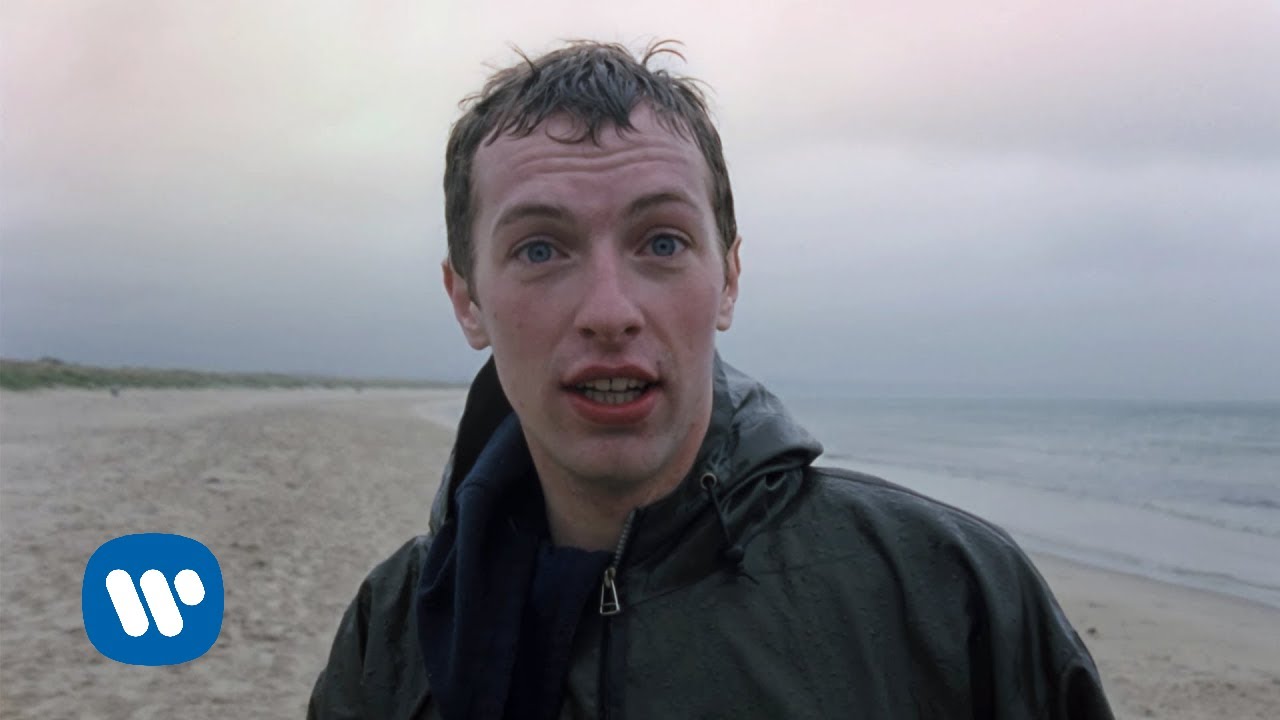
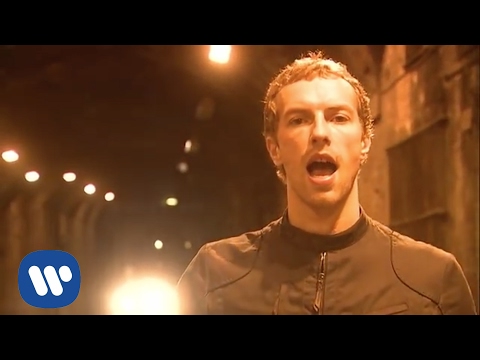
→ More from the 2000s File
View all 2000s hits →
Keep digging